Follow the evolution and expansion of CASACOR since 1987
For the first time, CASACOR São Paulo set down at Parque da Água Branca. The new venue fulfilled the desire to return to a wooded, open-air setting, since the park—born with a rural bent in response to urbanization—preserved remnant Atlantic Forest vegetation and became part of the urban fabric to improve environmental conditions and quality of life.
With 73 projects—among artistic installations, gardens, houses, lofts, cafés and restaurants—CASACOR São Paulo brought together architecture, art and nature, reaffirming its role as a reference by inspiring new reflections on ways of living and the future of cities.
Among the experiences, the Ninho, by Marko Brajovic, stood out as an invitation to reconnect with natural cycles, offering a space of shelter, contemplation and belonging, inspired by organic structures created by other species.
In Jardim Simbiose, by Kawai Paisagismo, a work by artist Bruna Mayer brought together live microorganisms collected from soil, plants, water and air from the Park, making an invisible ecosystem visible and broadening perception of the interdependence between art and science.
"Sowing Dreams," the theme that guided the 2025 exhibitions, invited reflection on the ability to dream collectively and create a harmonious, collaborative future. The theme reinforced the concept of a multispecies city and cast parks as the places where the cities of the future will be born.
A highlight of the year was CASACOR's consistent move to occupy and reframe historic buildings and areas of high symbolic value. In Florianópolis, the exhibition took over the former NSC print park, turning an industrial legacy into a creative lab open to the city. In Rio Grande do Sul, the occupation of the old Salgado Filho International Airport terminal reinterpreted the marks left by the 2024 flood as physical and poetic memory, woven into the environments.
In Salvador, CASACOR again reclaimed history by occupying the former Convento e Colégio Nossa Senhora das Mercês, a nearly three-century-old building in the city center. In Minas Gerais, the 2025 edition celebrated the show's 30th anniversary in a historic property in Belo Horizonte. In Brasília, the choice of Casa do Candango reinforced CASACOR's vocation to activate emblematic spaces.
CASACOR returned to Mato Grosso do Sul after four years and to Itapema, expanding its national presence.
Launch of Instituto CASACOR, an initiative to strengthen social, environmental and cultural impact.
Opening of the CASACOR e o Parque exhibition, exploring the relationship between the show and green public spaces.
Announcement of CASACOR's move to Costa Rica in 2026, consolidating the brand's internationalization.


“As a Gift, the Present.” The theme of the exhibition, held for the third and final time at Conjunto Nacional, aimed to decipher how the world lives in the present and envisions the future.
The circuit featured 70 environments – including the first CASACOR space built within a community: the Casa do Wallece, designed by architect Ester Carro for a motorcycle courier, integrating the Jardim Colombo community into guided tours.
The exhibition extended beyond the concept of living spaces, becoming a platform for gastronomy and culture, with four spaces dedicated to exhibitions and artistic installations, such as the exhibition Ecos Armoriais (displayed at Shopping Lar Center after CASACOR’s conclusion), the installation by Henrique Oliveira, and the Ocupação Terreiro by Ale Salles.
Among the renowned names in the market, participants included Brunete Fraccaroli, David Bastos, Fernanda Marques, José Roberto Moreira do Valle, Leo Shehtman, and Rosa May Sampaio. Gabriel Fernandes moved the audience with his reinterpretation of the rural house.
This year, CASACOR inaugurated its franchise in Piauí, in a 30-year-old mansion in Teresina. An agroforestry – an agricultural model that aims to produce food while preserving forests – was implemented in the Deca exhibition area, designed by architects João Almeida and Gustavo Almeida. Meanwhile, Rafael Rodrigues' veranda for CASACOR Piauí highlighted the design and art produced in the state.
4 artistic installations
1st time with an environment in a community
1 new national franchise: Piauí
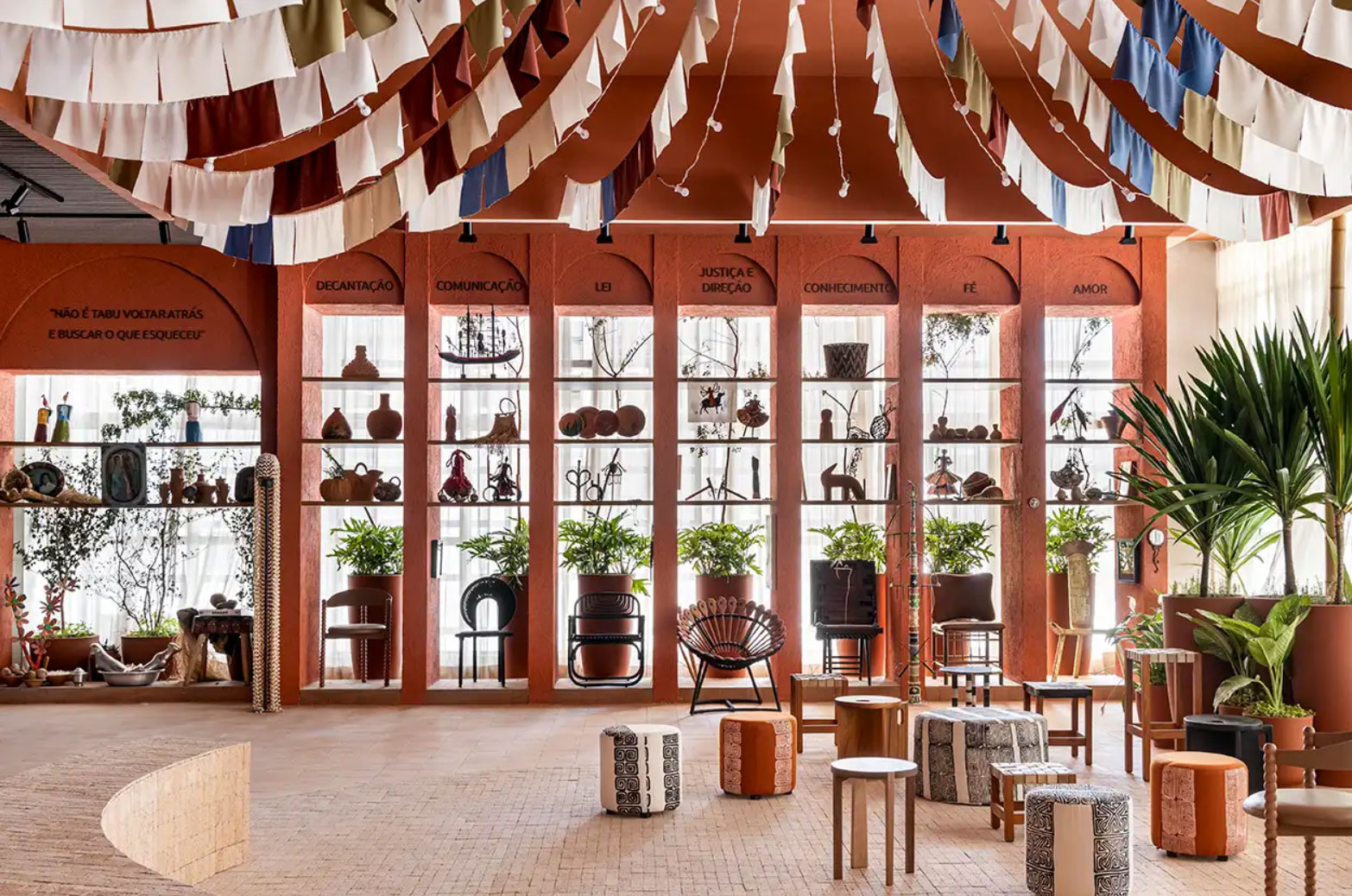
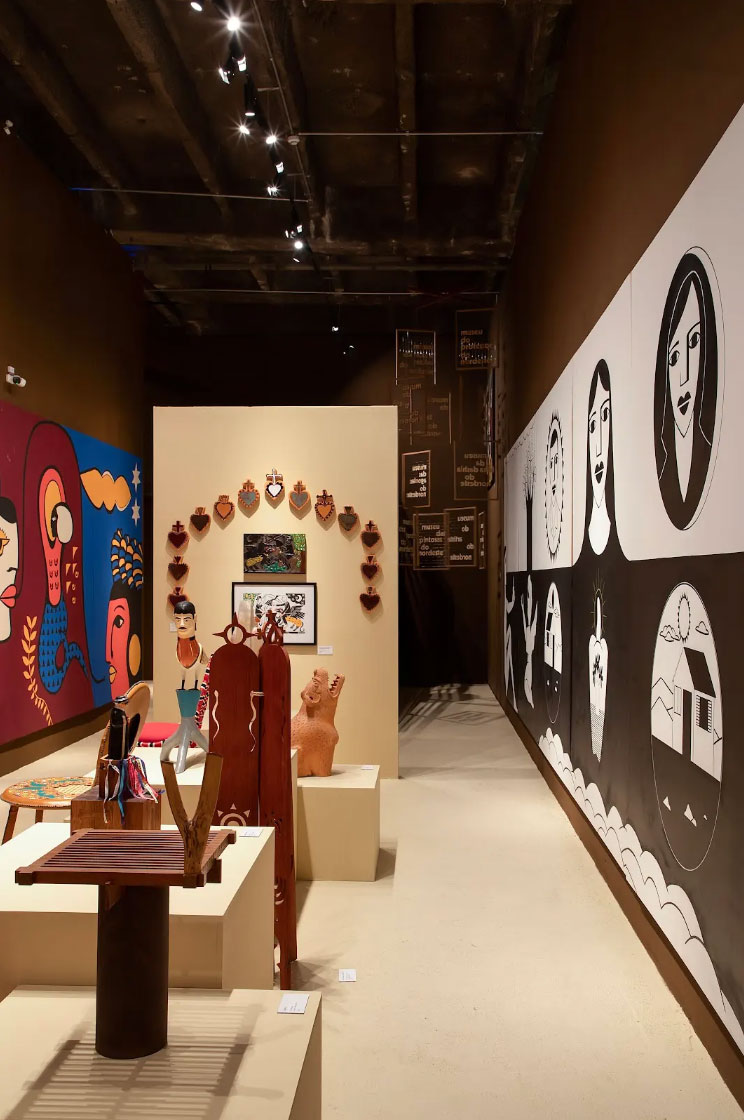
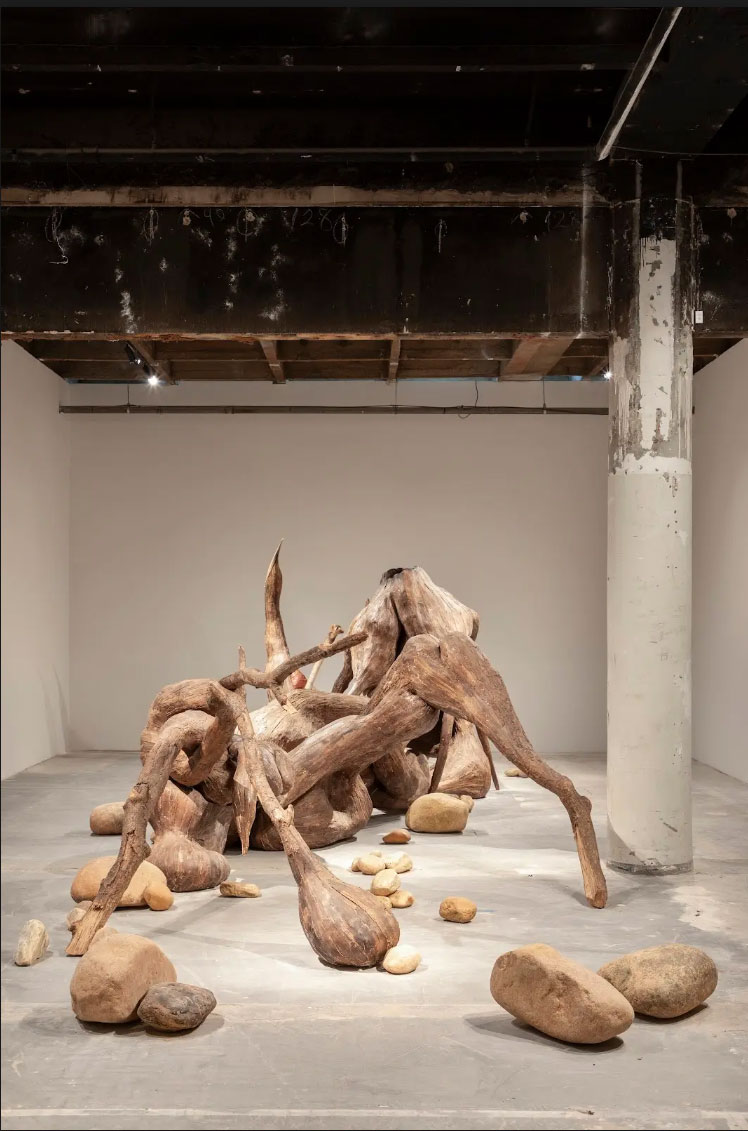
With 74 environments under the theme “Body & Dwelling,” the 36th edition took place again at Conjunto Nacional, this time with new approaches to inclusion, diversity, and sustainability.
The ARQTAB trio (Maycon Fogliene, Thamires Mendes, and Audrey Carolini) designed a loft with universal design, capable of accommodating various body types. Alessandra Cardim and Ricardo Cardim created a version of their pocket forest, highlighting native species from the Atlantic Forest.
For the first time, the exhibition included peripheral living through an environment designed by architect Ester Carro, referencing her personal story in the Jardim Colombo community, part of the Paraisópolis Complex.
Among the highlights of 2023, CASACOR Florianópolis surprised visitors with a nearly 10,000-square-meter venue at the renowned Maria do Mar Hotel, later converted into a residential condominium.
In Recife, CASACOR Pernambuco took place for the second and final time at the Chanteclair Building. In Rio de Janeiro, CASACOR Rio also bid farewell to the Brando Barbosa Palace.
125,000 visitors
1 environment addressed peripheral living for the first time
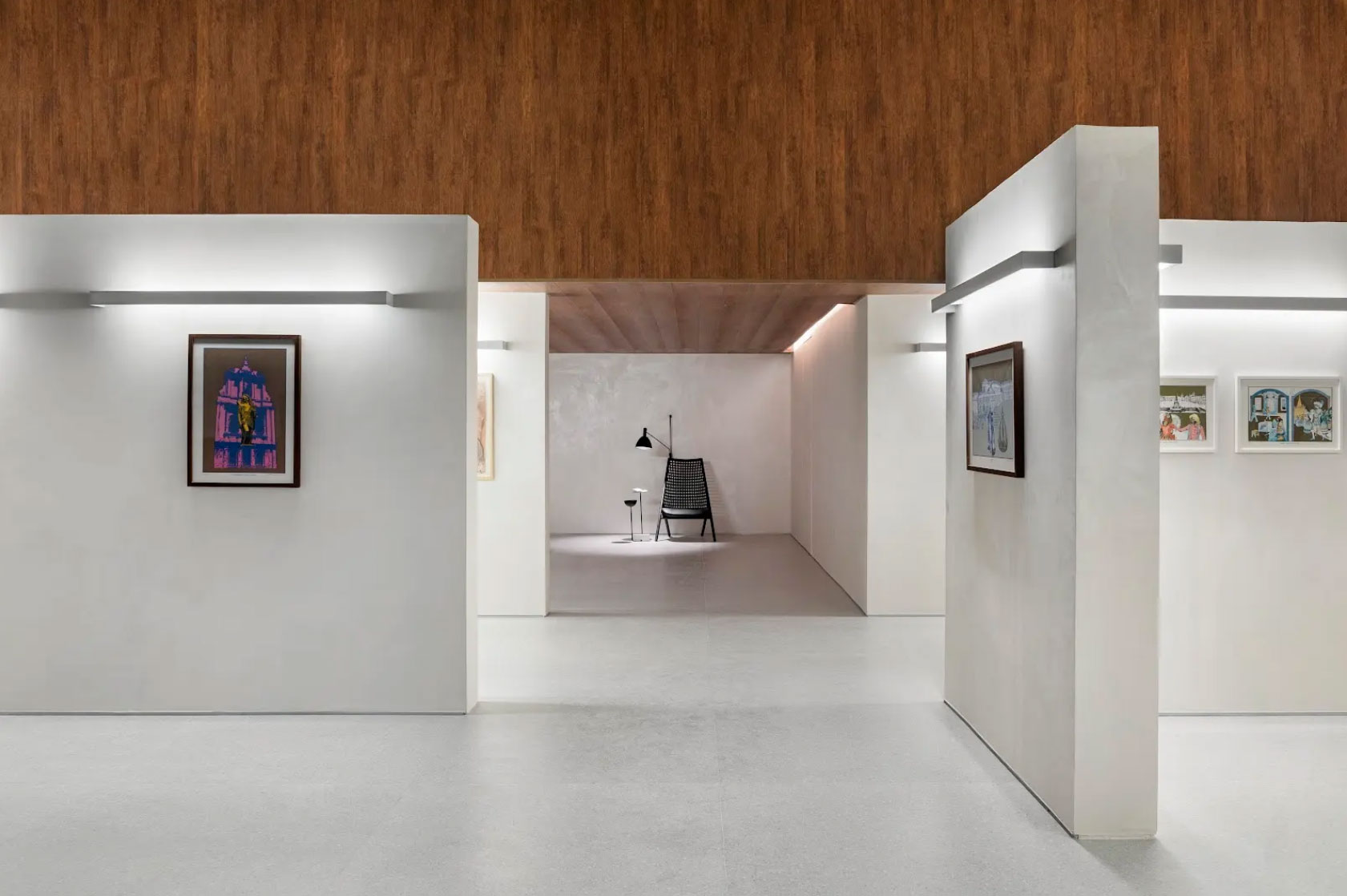
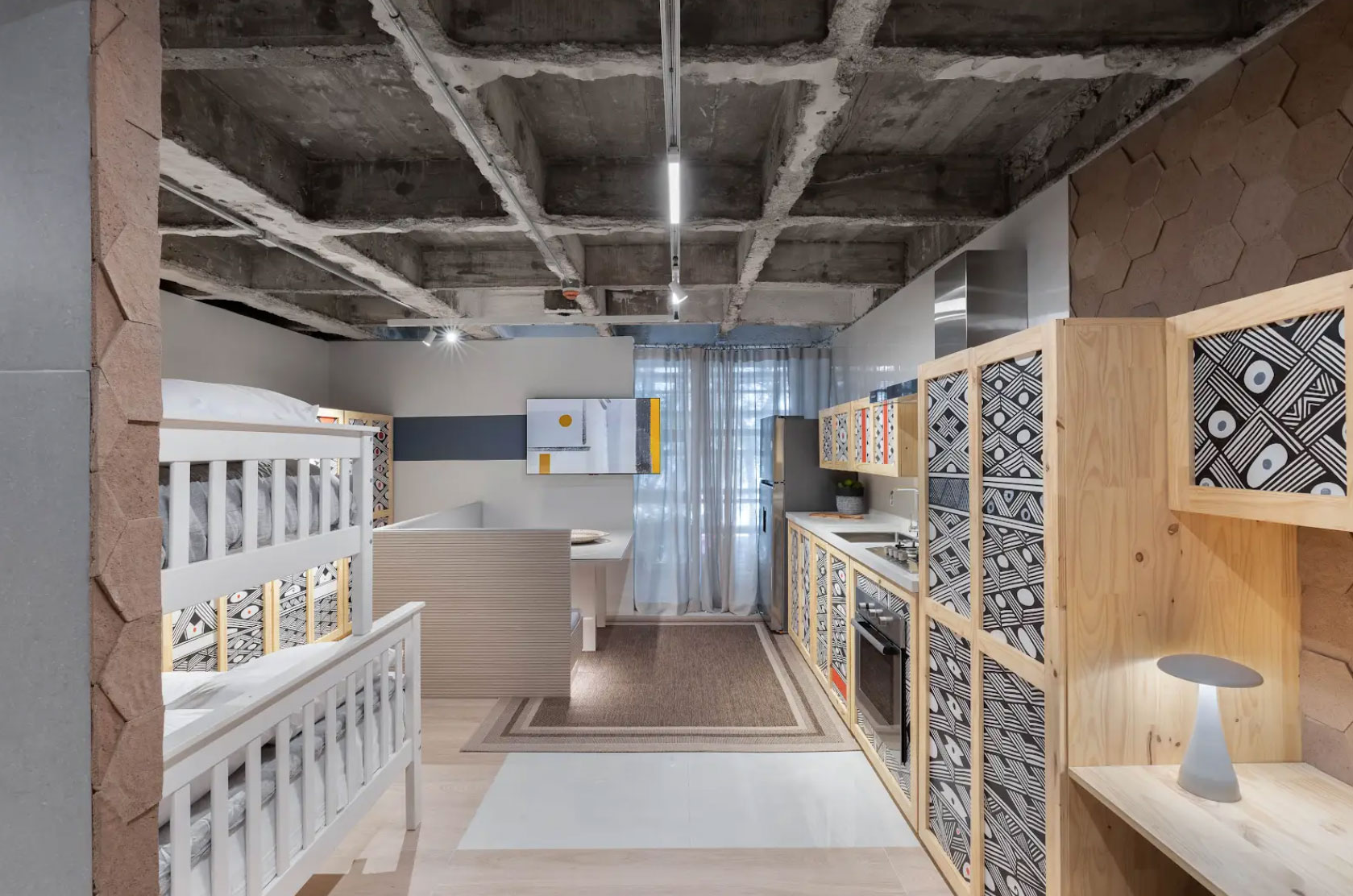
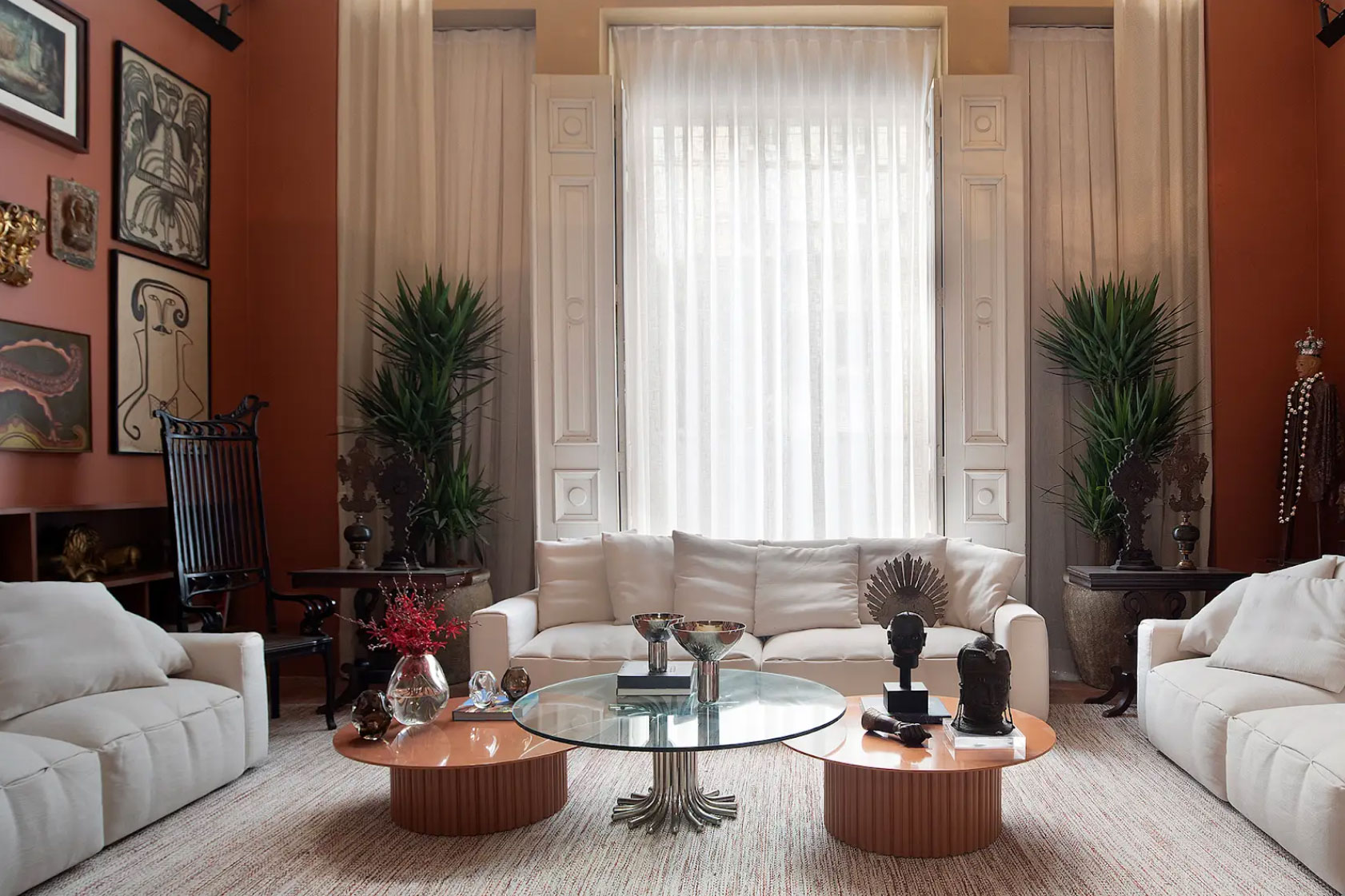
CASACOR São Paulo celebrated its 35th anniversary at Conjunto Nacional, on Avenida Paulista, one of the most important works by architect David Libeskind.
With the theme "Infinito Particular", the event featured 59 environments designed by 57 professionals, distributed over almost 10,000 square meters of the mezzanine and the building's open terrace.
The masterplan was led by the FGMF office, and the iconic curved ramp hosted the CASACOR 35-year exhibition. In addition, the exhibition incorporated the digital format and launched the new CASACOR app.
In Rio de Janeiro, CASACOR repeated the success of the previous year, once again occupying the Brando Barbosa Residence.
In CASACOR Bolivia, sisters Alejandra and Daniela Saucedo created an oasis in a 90-square-meter space, with a living room and bar.
In Espírito Santo, Milena Ferrari and Rita Gumieiro designed a suite with a natural, sustainable, and biophilic concept, using materials that refer to nature.
Debut of the CASACOR app
59 environments spread across 10,000 square meters
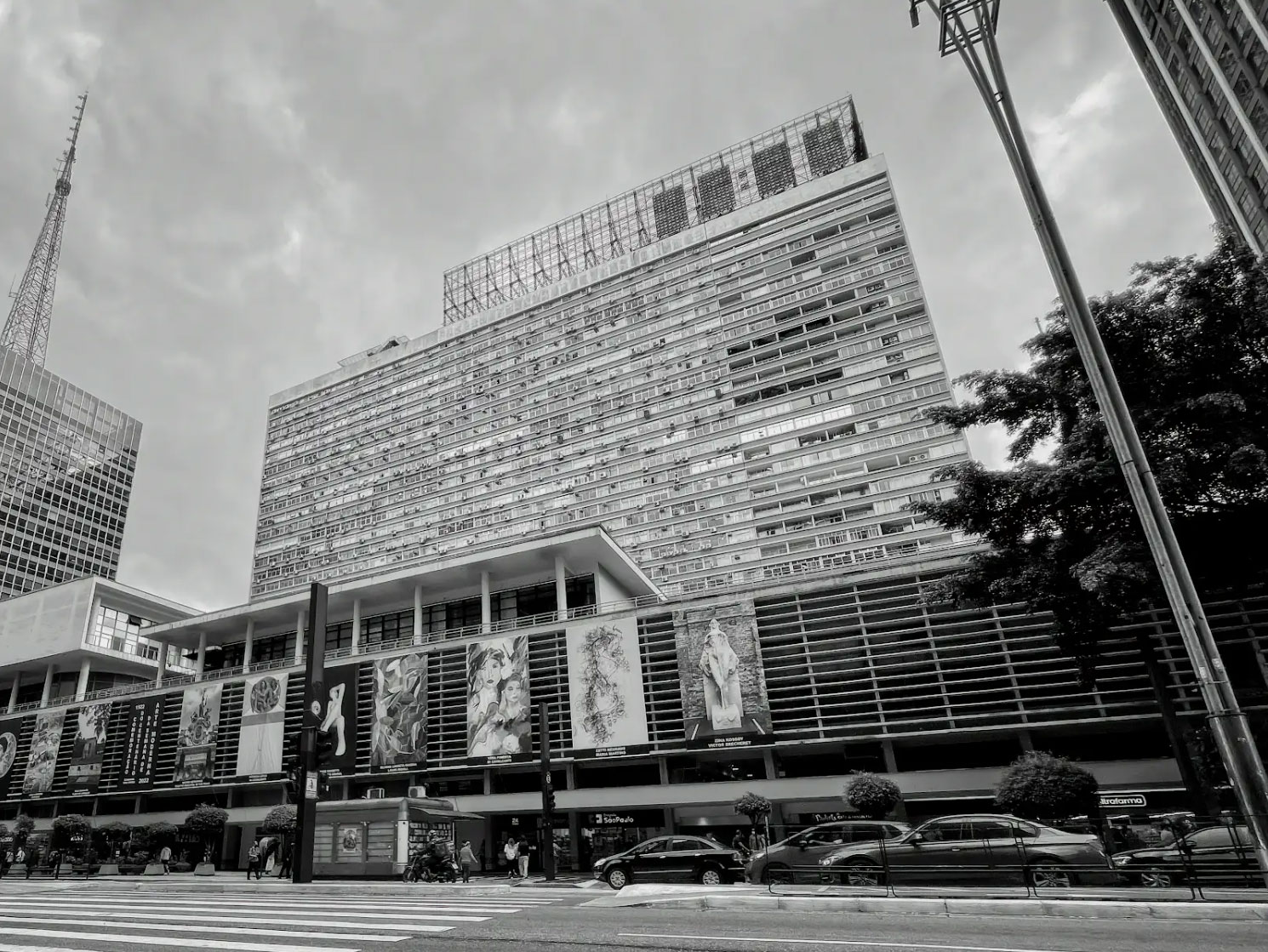
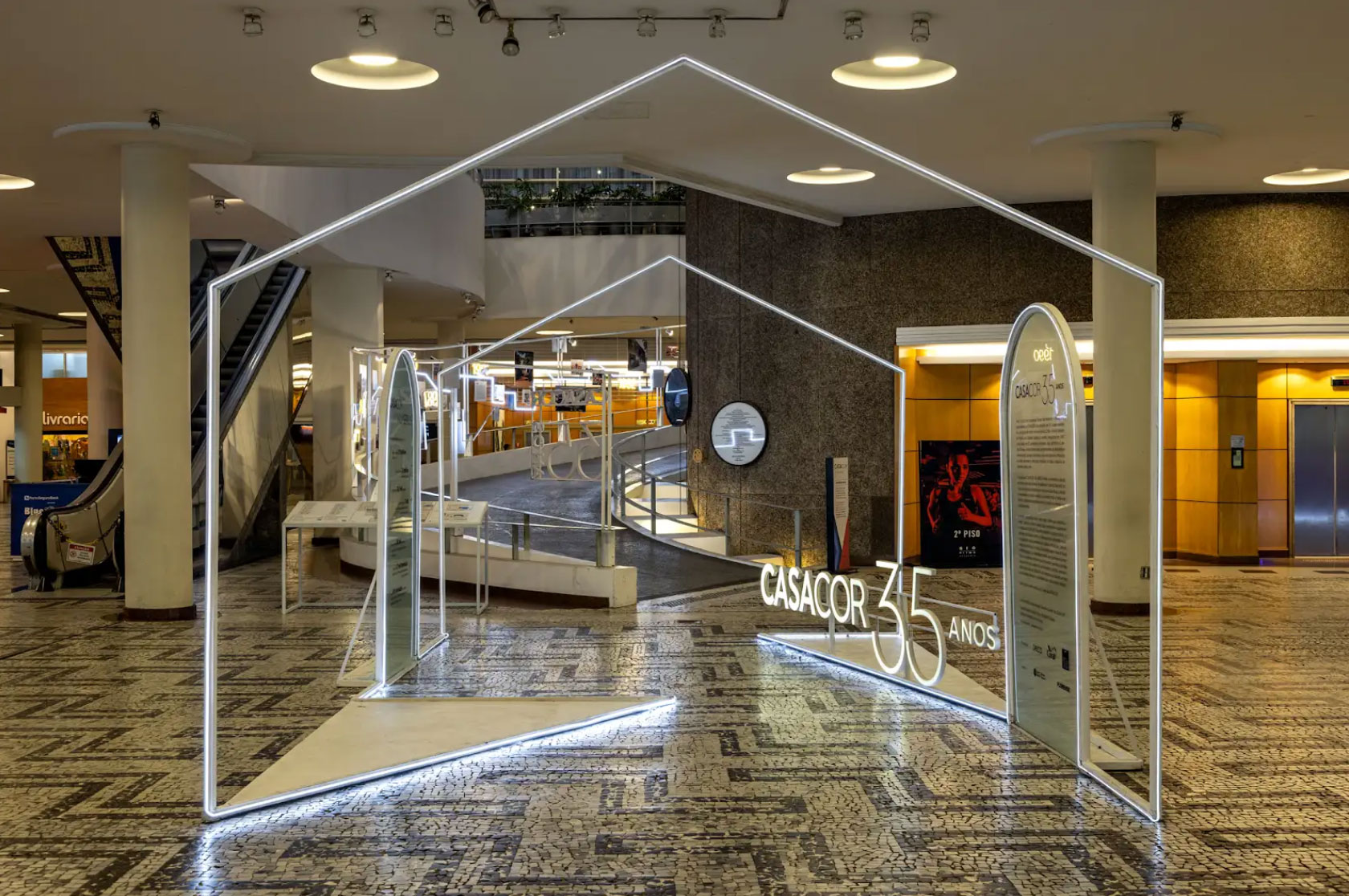
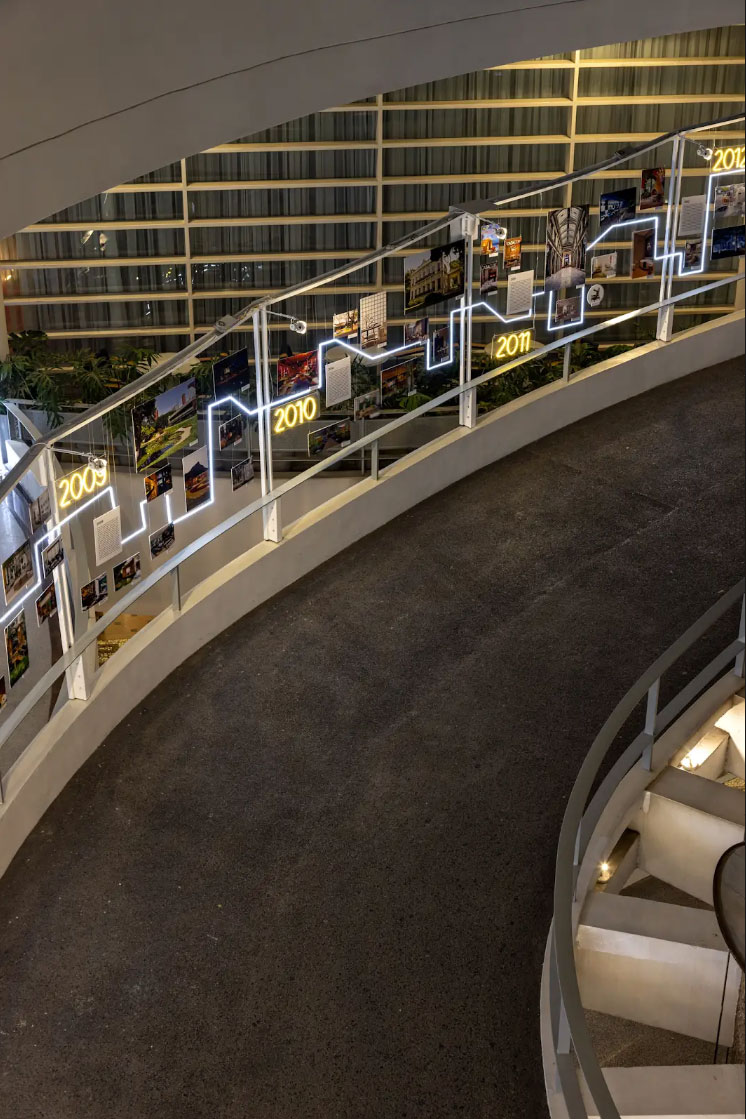
CASACOR São Paulo became itinerant again. After 14 years at the Jockey Club, the exhibition moved to Parque Mirante, next to Allianz Parque stadium in the Água Branca neighborhood.
Inspired by the theme “The Original Home,” the 56 projects were based on ancestry, simplicity, and the necessary balance between past and future.
Invited by the exhibition curators, artist Felipe Morozini presented an immersive installation titled *A Light at the End of the Tunnel*, made with reusable materials and large LED panels displaying artistic projections at the exhibition entrance.
LG ThinQ House, designed by Guto Requena, was built using wooden pieces and parametric furniture developed with the help of algorithms.
CASACOR Rio de Janeiro celebrated its 30th anniversary at the Brando Barbosa Palace, a 1960s building in Jardim Botânico.
In Minas Gerais, Cristina Menezes fragmented her space into independent modules.
In Brasília, Alf Arquitetura designed a glass-enclosed box to house the gourmet space.
In Santa Catarina, Juliana Pippi, in partnership with Coral, developed a new color called *Camadas Brasileiras*, a clay-toned shade applied to the ceiling of her space.
In Rio Grande do Sul, QuadriArq Arquitetura incorporated Scandinavian influences.
The Janelas CASACOR project continued in Sergipe and Tocantins.
10 participating cities
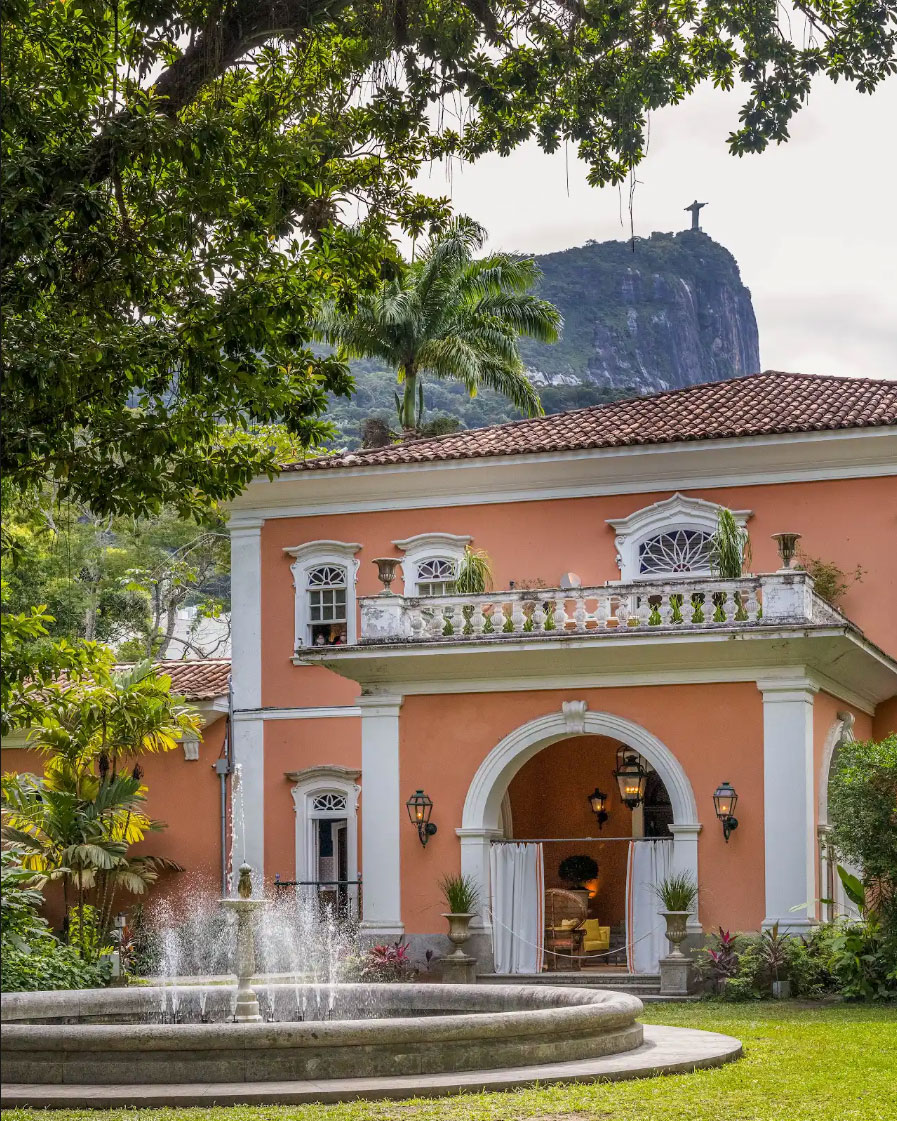
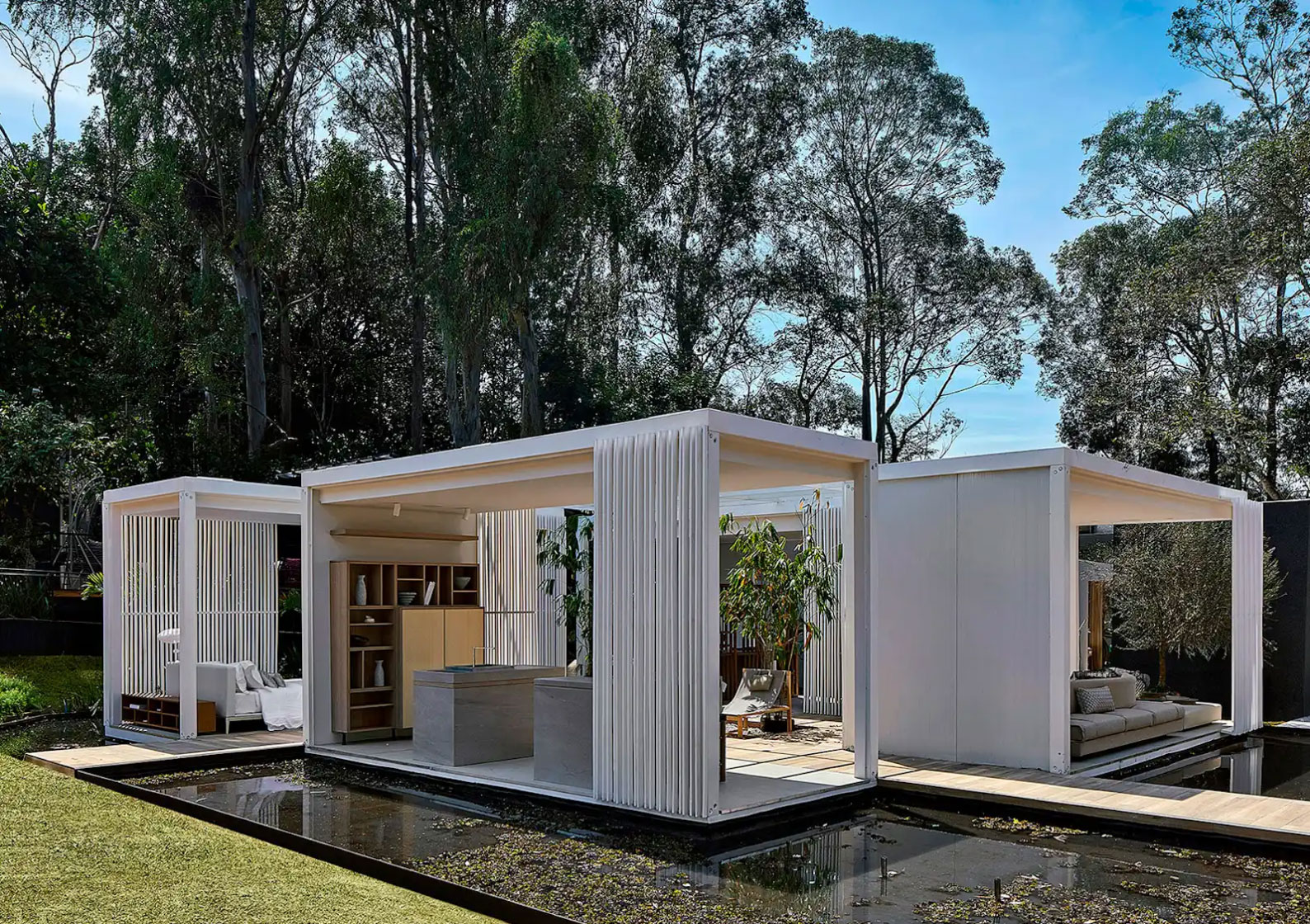
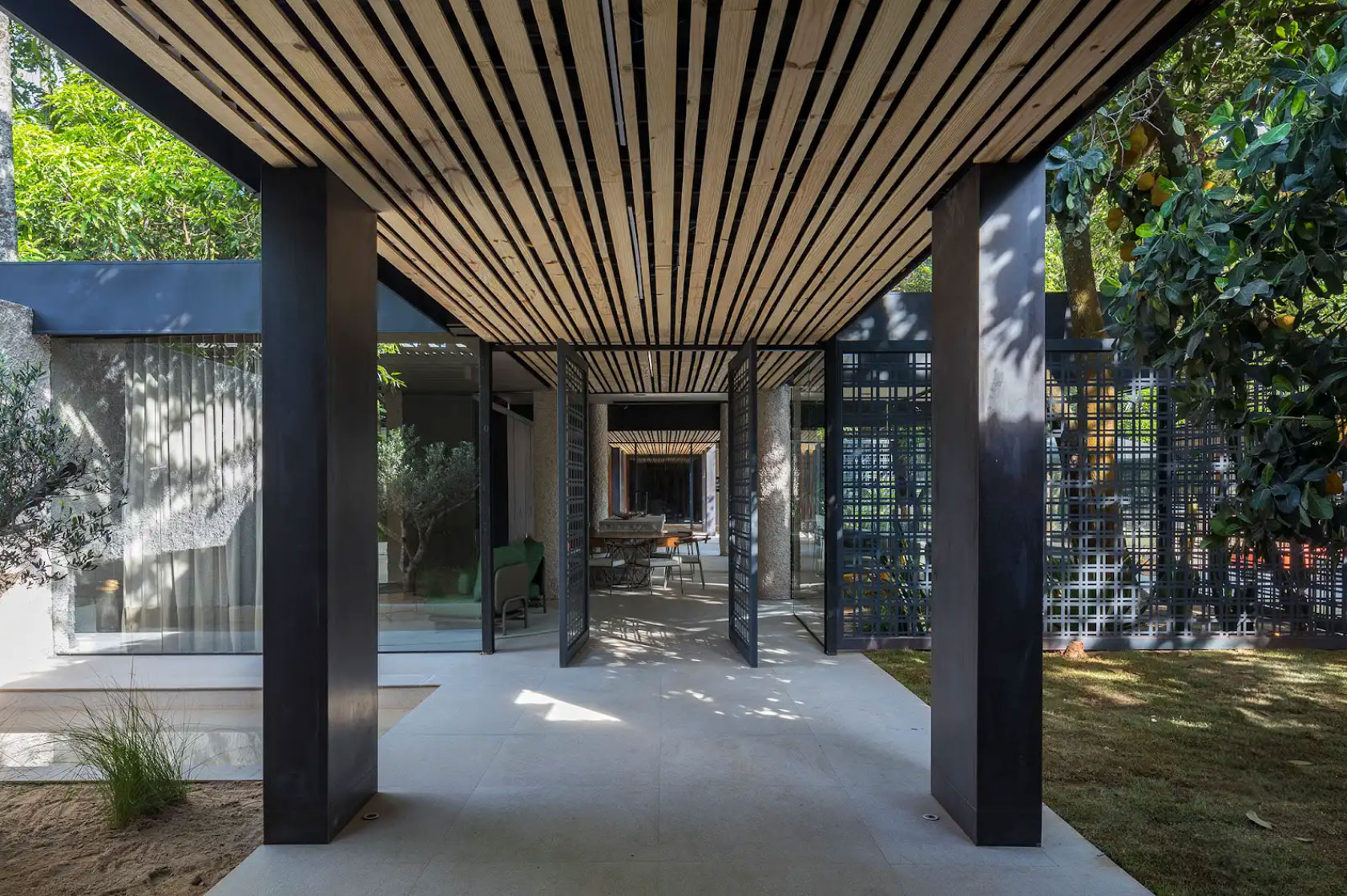
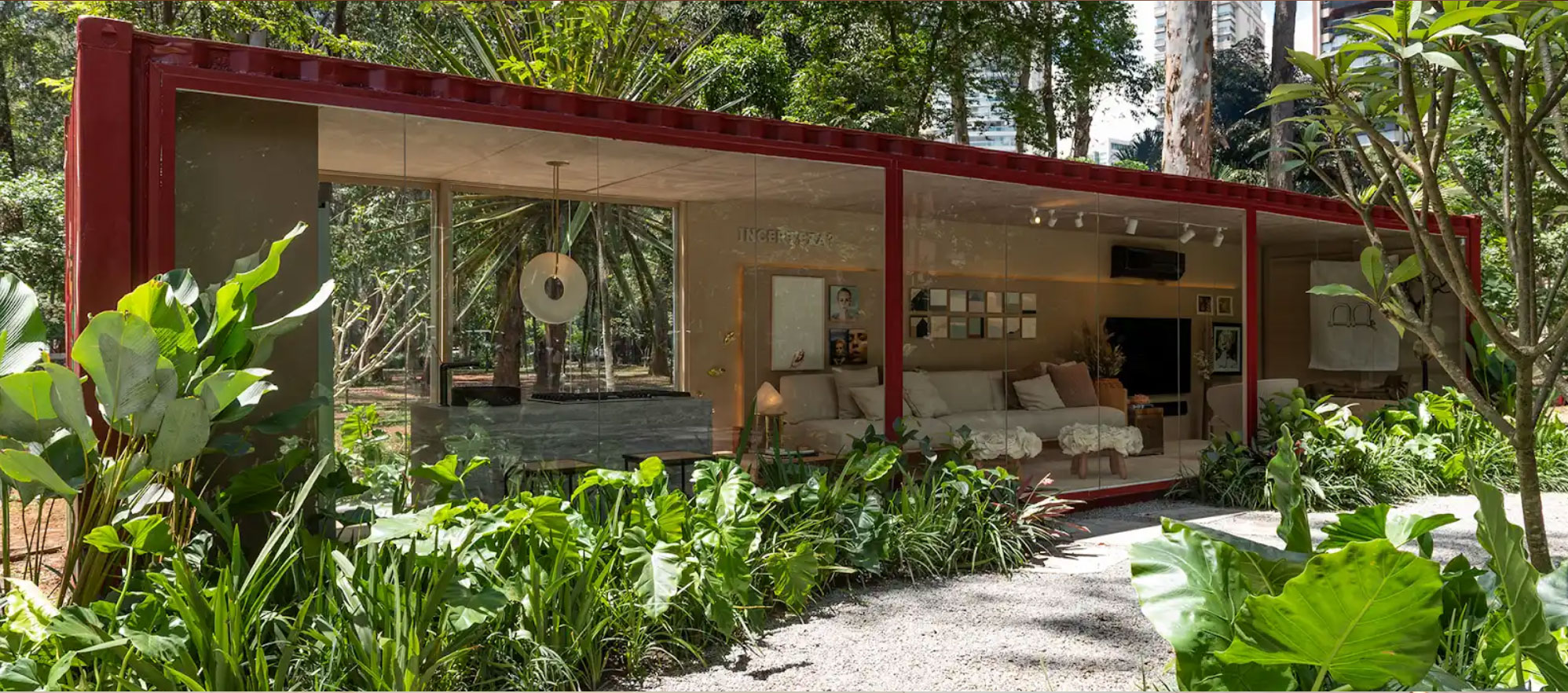
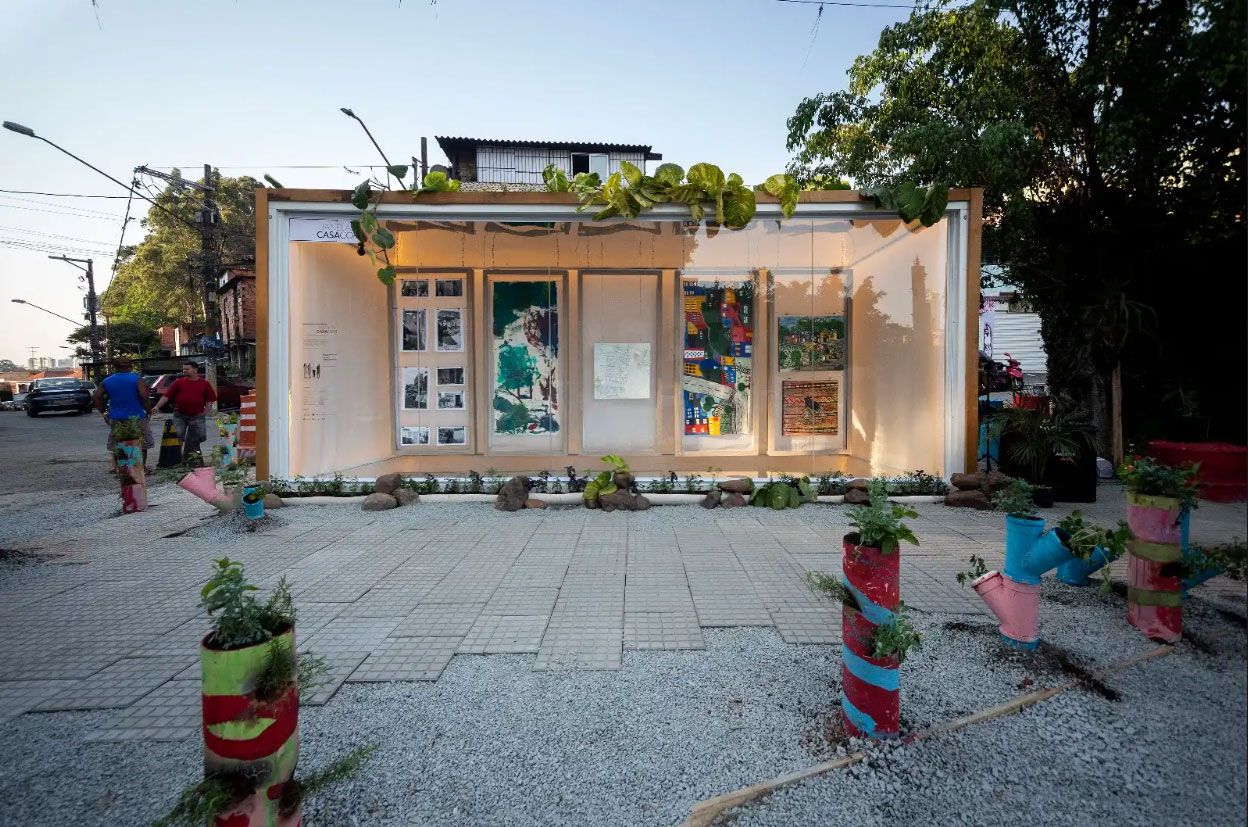
With the arrival of the Covid-19 pandemic, which halted activities and events, CASACOR found a new format in the Janelas CASACOR project, distributing showcases and containers, designed by architects and interior designers, in public spaces across ten Brazilian cities.
The idea was to encourage safe outdoor visits while providing reflections on the most relevant topics of the time. Brasília kicked off the series with an installation designed by Sainz Arquitetura at Parque da Cidade Sarah Kubitschek. In their space, Angela Castilho and Alex Rodrigues were inspired by the beauty of imperfection.
In São Paulo, Suite Arquitetos and Bia Abreu left plants as a legacy at Praça Cidade de Milão, in Vila Nova Conceição.
The exhibition also reached the favelas, with the Galeria Fazendinhando, designed by Ester Carro, Veronica Vacaro, and Plantar Ideias, in Jardim Colombo. In Bahia, David Bastos' space faced the Farol da Barra.
Ceará, Pernambuco, Minas Gerais, Ribeirão Preto, Espírito Santo, Paraná, and Santa Catarina also hosted Janelas CASACOR. Miami chose to hold a virtual version.
10 participating cities
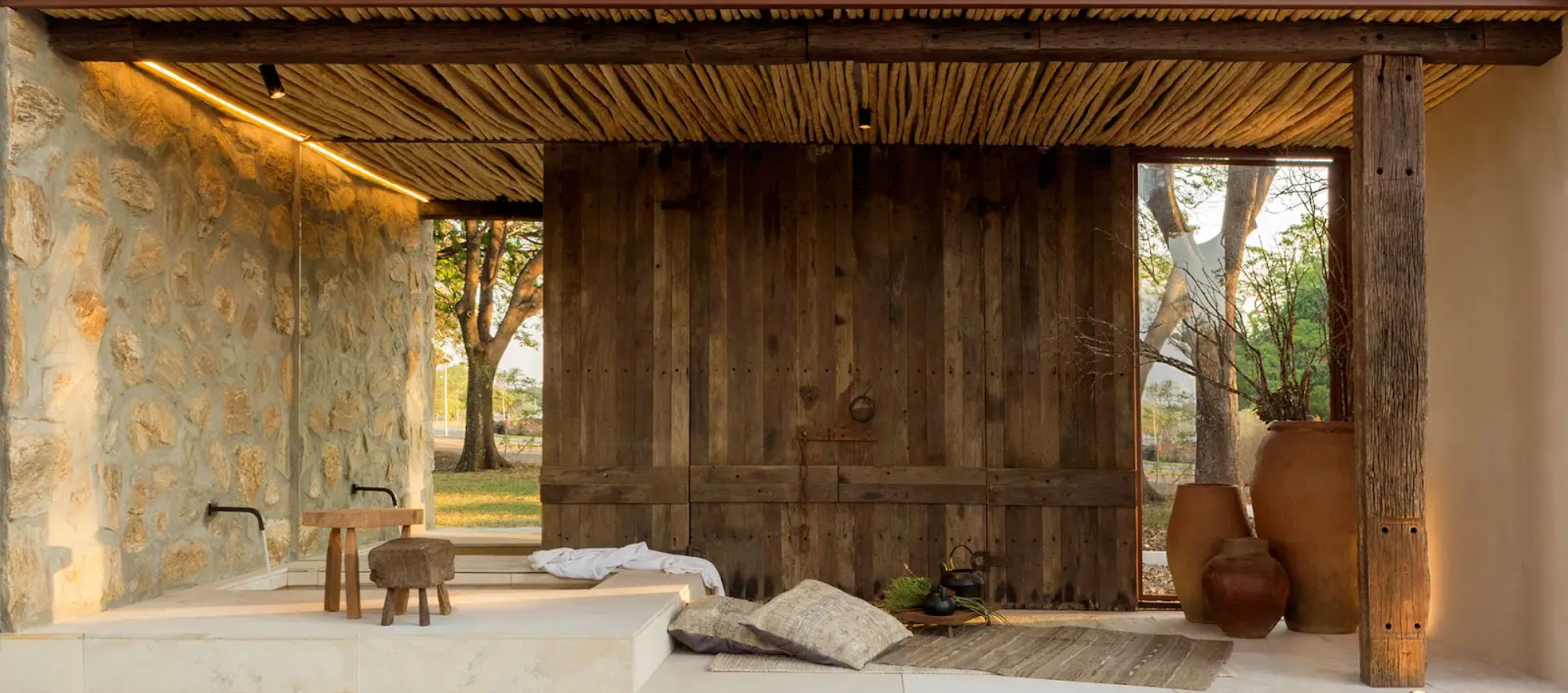
CASACOR São Paulo, with the theme "Planet Home," compensated 100% of its greenhouse gas emissions for the first time and became a Zero Waste event, with certification granted in 2021. This milestone reinforced the exhibition’s commitment to sustainability and innovation in the architecture and design sector.
In the Central de Valorização, a space designed by Marcelo Bellotto, composting of organic waste generated by restaurants and cafeterias at the exhibition was a highlight. The resulting compost was given to visitors, promoting environmental awareness and encouraging sustainable practices.
Among the most emblematic spaces were the BC Arquitetos terrace, Gustavo Neves’ house, and the vibrant Coral Hotel by Pedro Lázaro. Additionally, Marilia Pellegrini’s container house and Leo Romano’s loft introduced innovative concepts that captivated exhibition visitors.
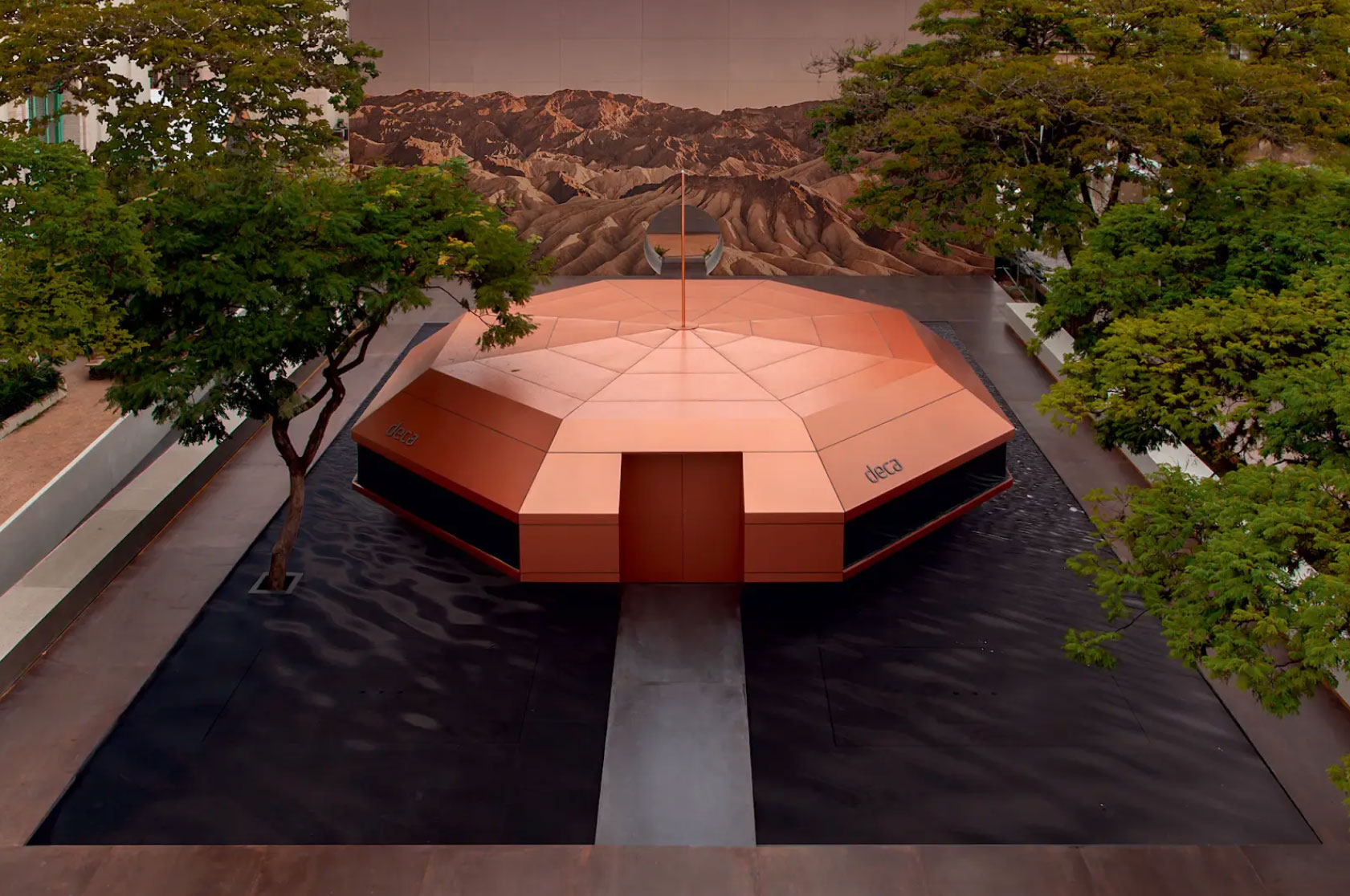
One of the most impressive attractions was the spaceship that landed at the Jockey Club, housing the Deca Lab, conceived by Ricardo Bello Dias. The space utilized cutting-edge technology and futuristic design to create an immersive and interactive experience.
In Minas Gerais, Gustavo Penna integrated art and design into the iconic Salão Nobre of the Palácio das Mangabeiras. The garden, originally designed by Burle Marx, was restored by Nãna Guimarães, preserving the history and beauty of Brazilian landscaping.
In Rio de Janeiro, Paula Neder and the PN+ Collective innovated by using vegetable fiber tiles to cover the walls, creating a striking visual effect. The ceiling of the space was enhanced with a painting by visual artist Clode Imperial, giving the environment a unique artistic identity.
In Santa Catarina, the exhibition occupied the historic 19th-century Hercílio Luz mansion.
75 environments
120,000 visitors
CASACOR São Paulo becomes Zero Waste
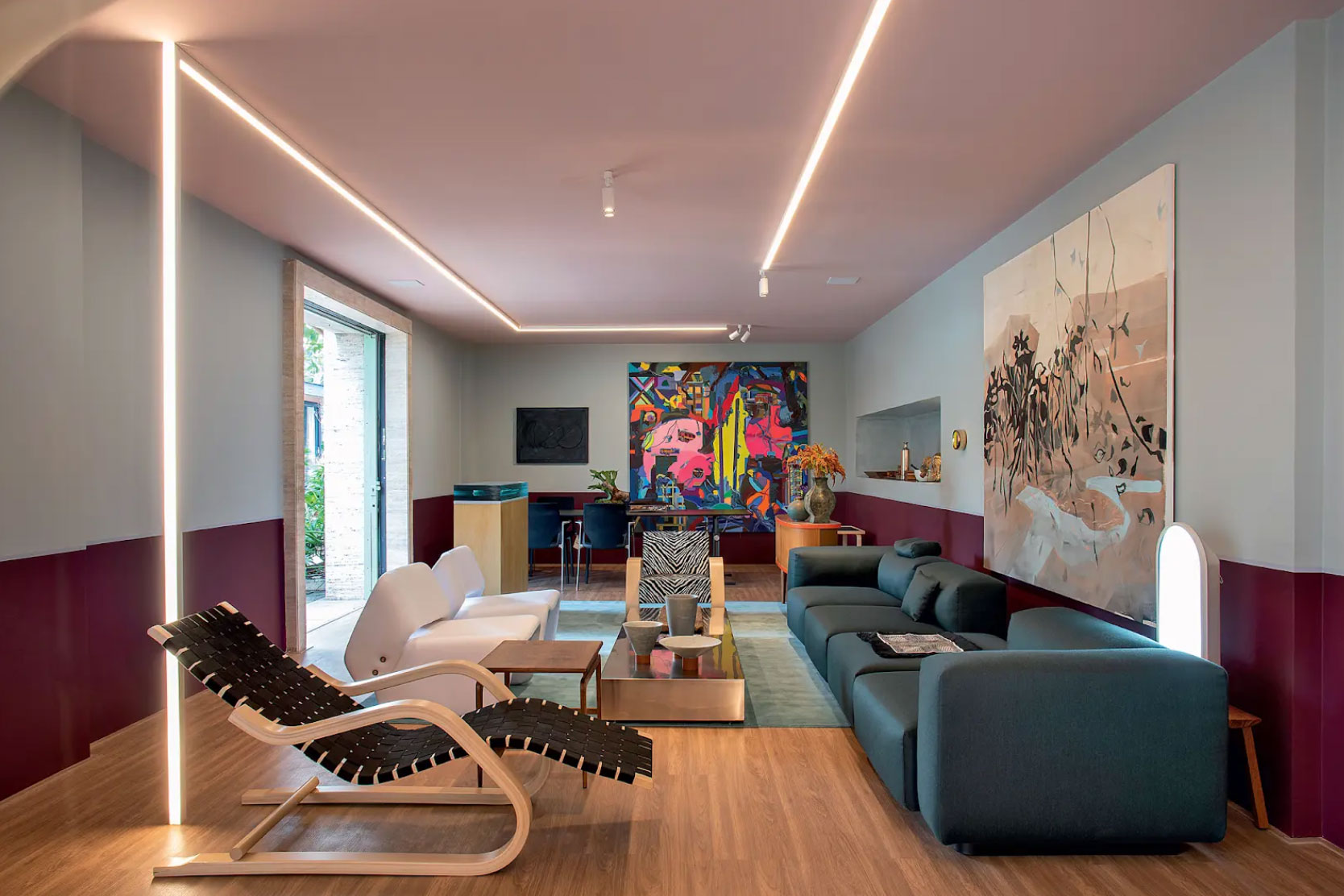
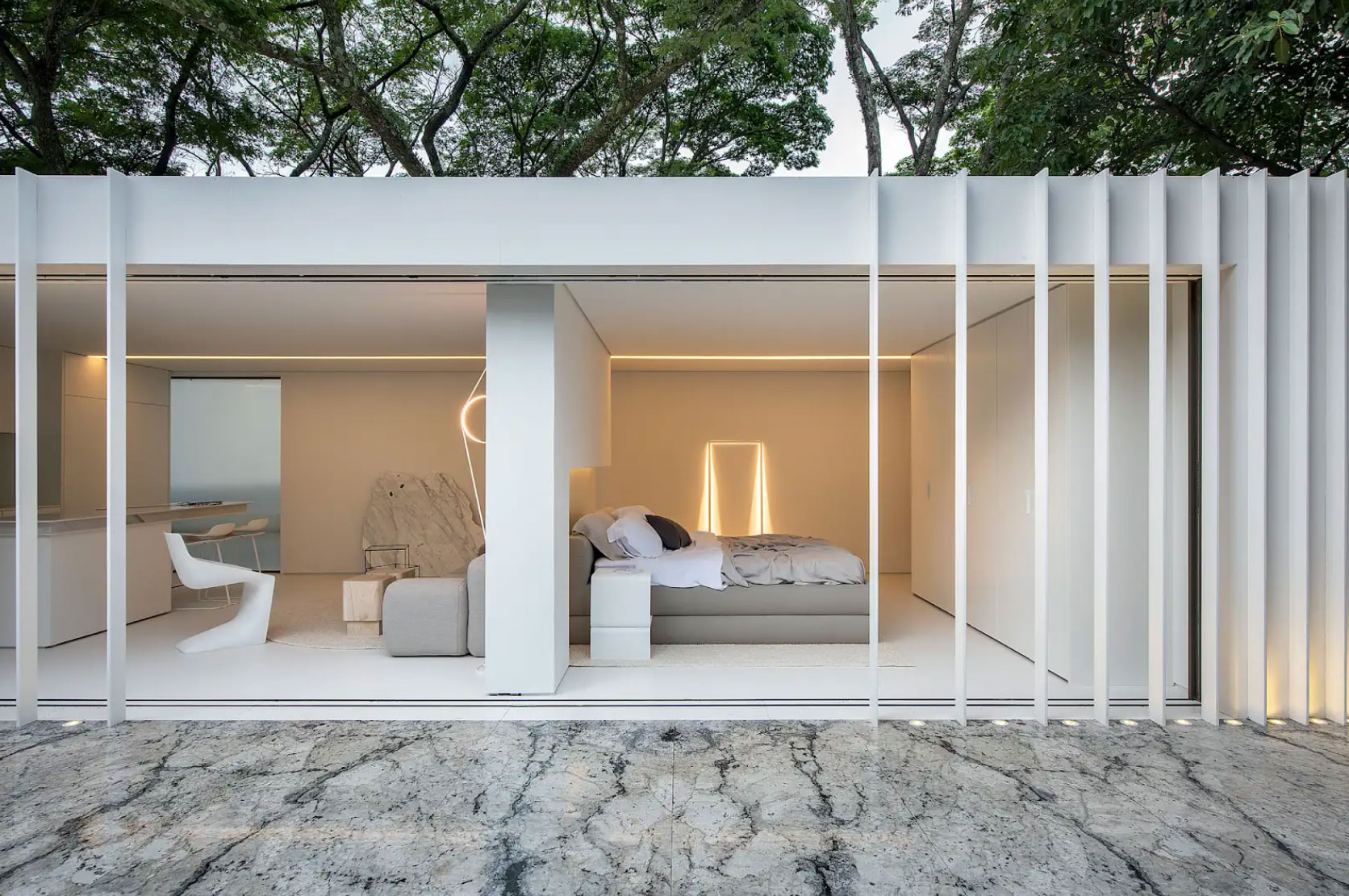
For the second time, CASACOR Minas Gerais was held in the mansion on Rua Sapucaí, at Praça da Estação, continuing the restoration of the historic building. Patricia Hermanny designed the Living Library.
In São Paulo, the Art Deco architecture of the Jockey Club and the relationship between humans and nature set the tone for the 32nd edition, themed "Casa Viva" ("Living Home").
The 81 spaces, spread over 25,000 square meters, emphasized personality and dynamism, with more fluid boundaries between indoors and outdoors: open areas, large frames, glass panels, pivot doors, and other elements encouraged integration in ever-changing, multifunctional spaces.
The connection with nature was reinforced through Brazilian species and native vegetation.
Some renowned professionals returned to the exhibition, including Arthur Casas, who had been absent from the event for nearly a decade. For this edition, he used an industrialized construction system focused on energy efficiency.
Dado Castello Branco built a house inspired by the townhouses of London and Amsterdam.
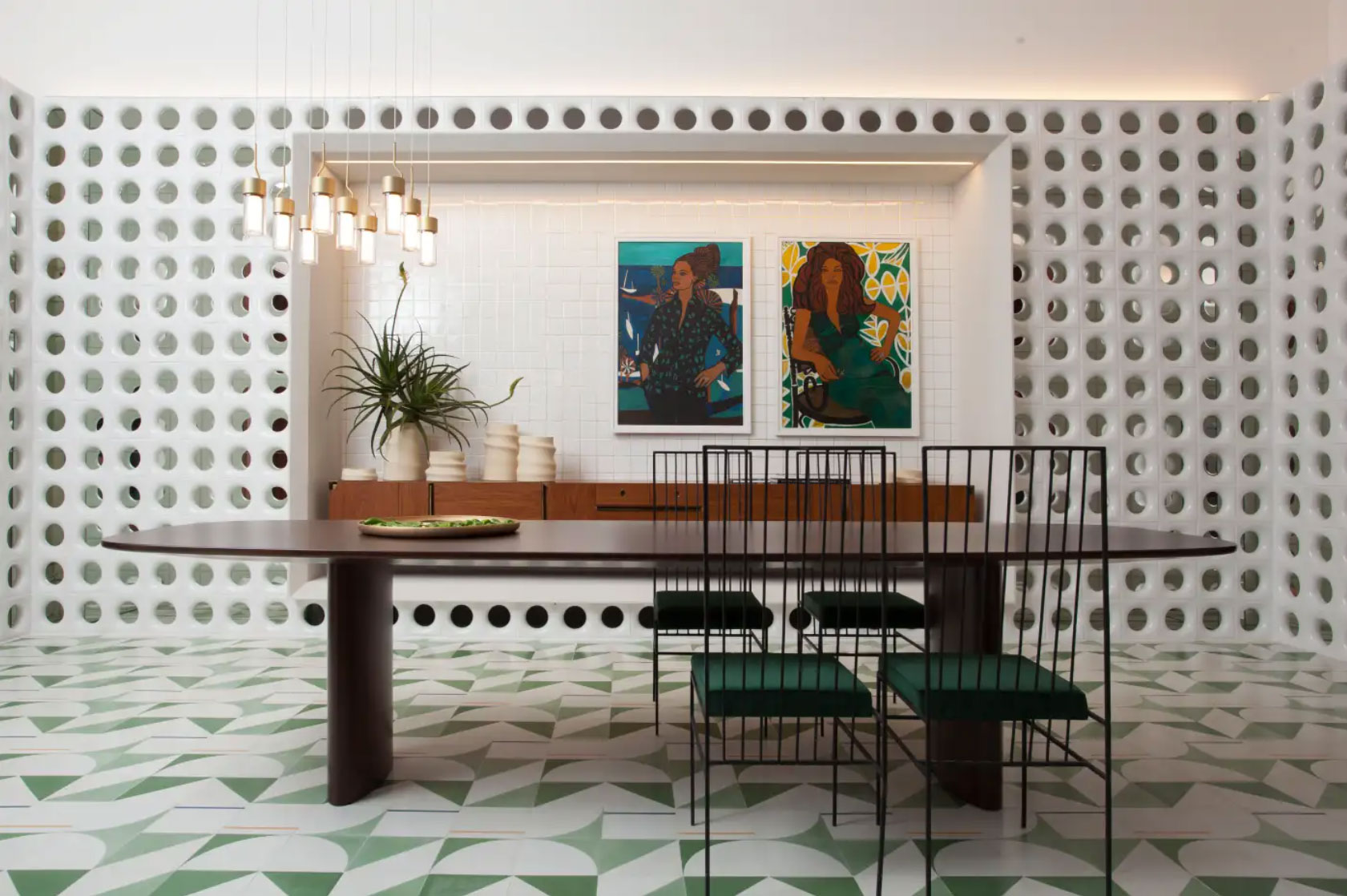
Naomi Abe combined cobogós and hydraulic tiles in the dining room.
Maicon Antoniolli, in turn, created a kaleidoscope using Coral's color palette.
Gabriela Lotufo and Larissa Oliveira, winners of a national competition for sustainable retrofit projects, took the opportunity to bring their idea to life at the exhibition.
In the interior of São Paulo, Ribeirão Preto also started hosting the event.
115,000 visitors
1 new national franchise: Ribeirão Preto
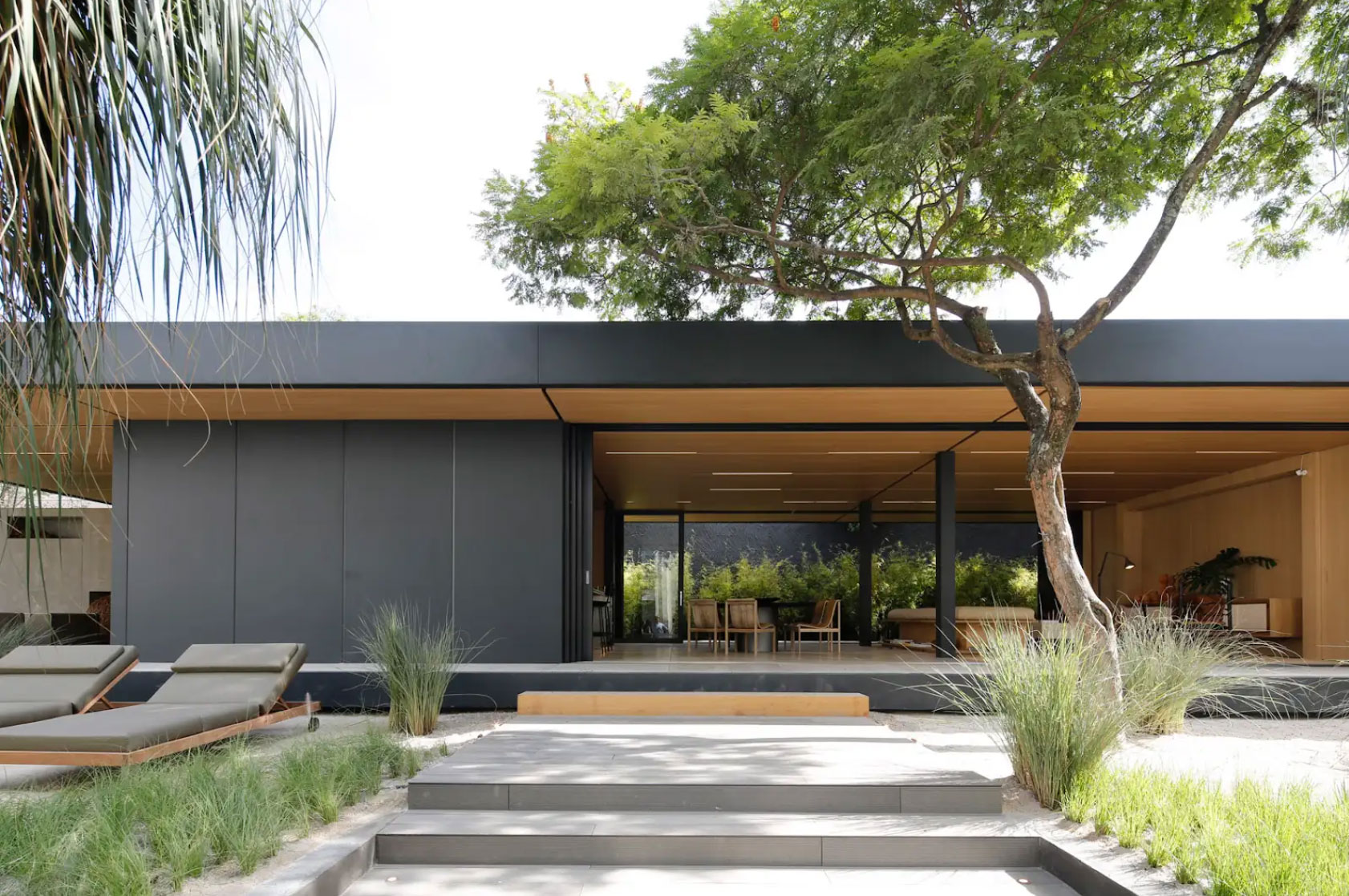
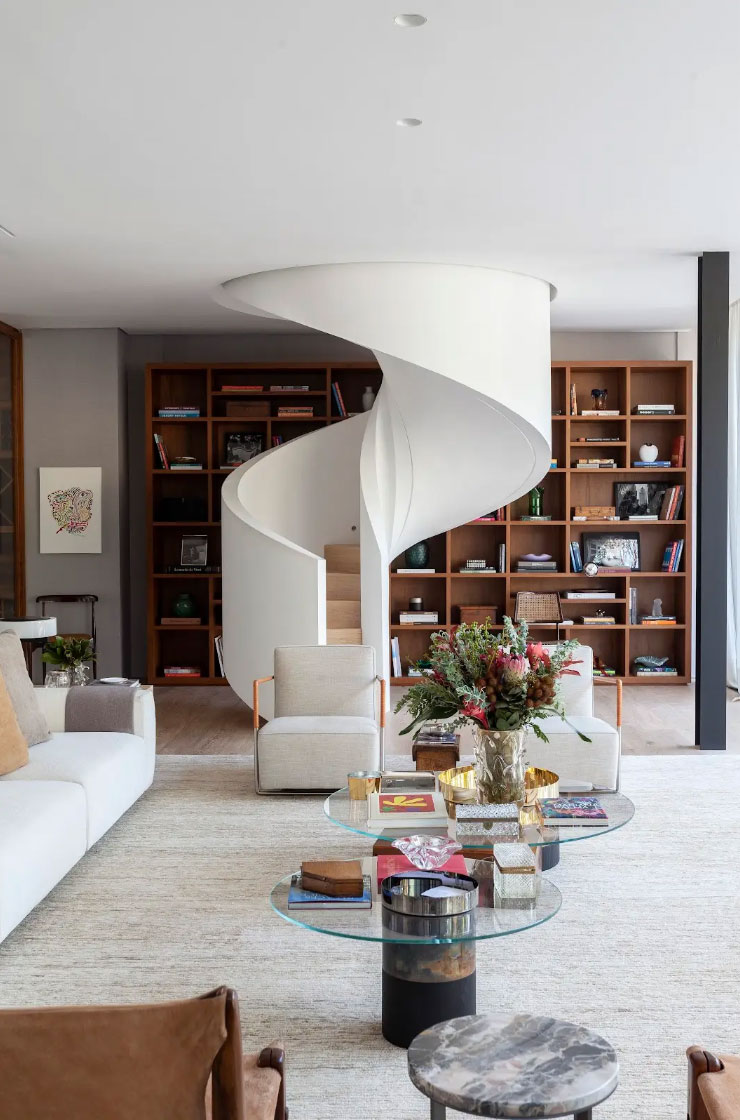
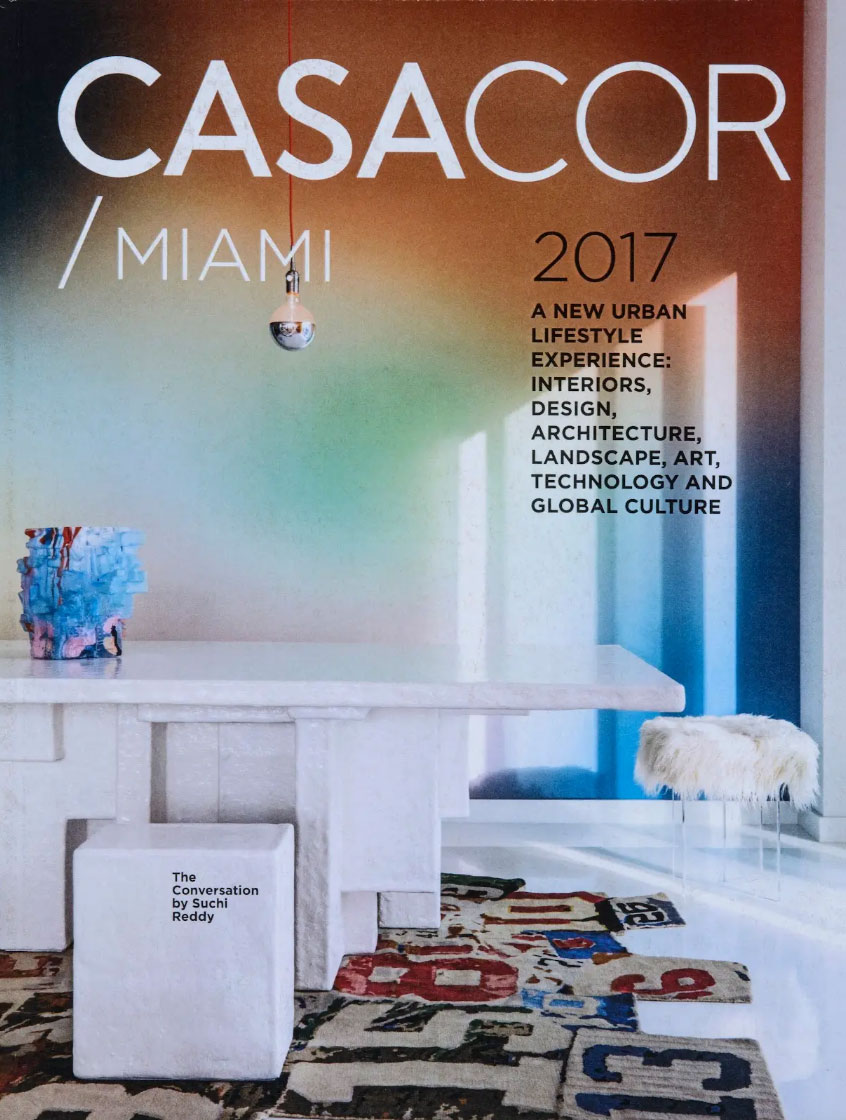
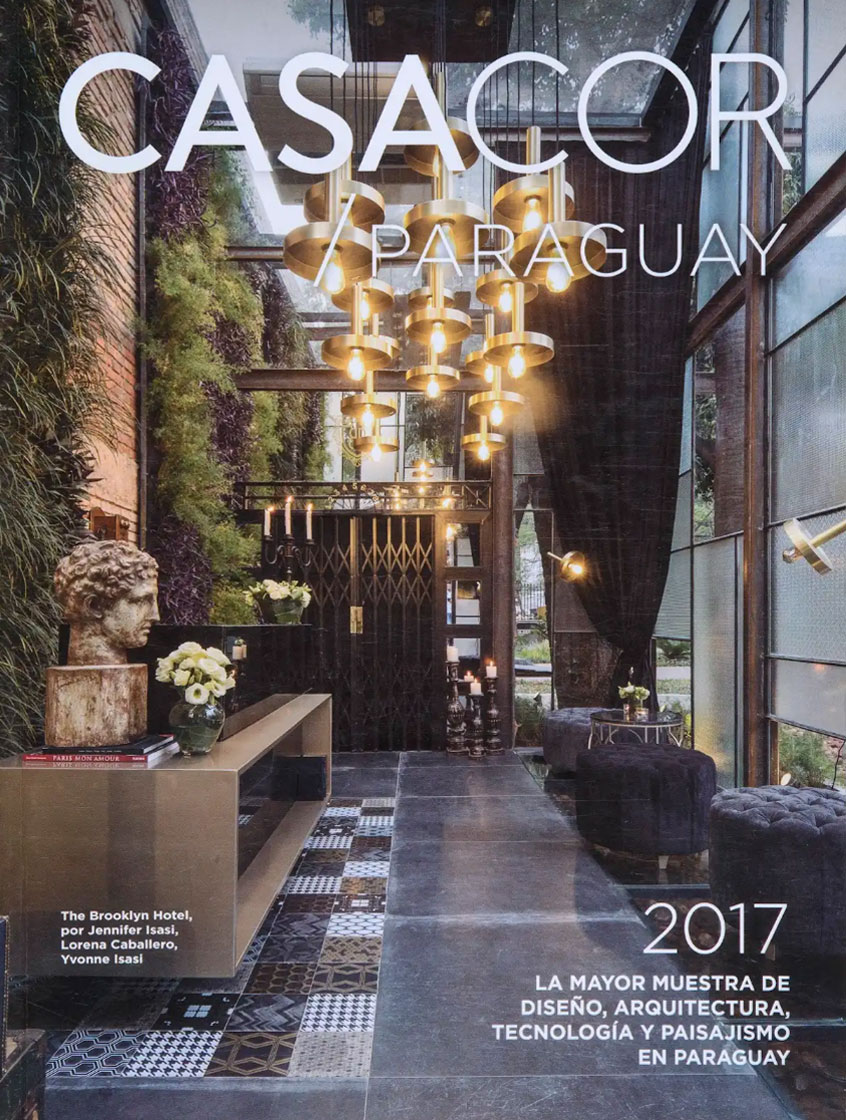
Four new franchises were launched this year: two international, CASACOR Miami and CASACOR Paraguay, and two in Brazil, CASACOR Balneário Camboriú and CASACOR Franca. This expansion solidified the event’s global relevance, bringing the essence of the exhibition to different cultures and audiences.
In the United States, the event brought together Brazilian professionals and local talents, creating a fusion of styles and influences. Designer Suchi Reddy, for example, incorporated elements of Oscar Niemeyer and the Campana brothers’ design into her space, highlighting the elegance and identity of Brazilian furniture.
In Santa Catarina, CASACOR Balneário Camboriú was held at the Marina Beach Tower, the first building in southern Brazil with a marina and river access. This unique location provided a stunning backdrop for the projects, combining sophistication with a closer connection to nature.
In São Paulo, the 31st edition focused on the theme “Focus on the Essential” and featured 69 spaces designed by 103 professionals. The careful selection of materials was a highlight of the exhibition, achieving a record-breaking sustainability milestone: 98% of waste generated was recycled or repurposed, minimizing environmental impact.
Among the standout projects of this edition, the Deca Garden by Alex Hanazaki stood out for its beauty and integration with the landscape. In Rio de Janeiro, the exhibition took place in the striking Foster + Partners building, where Bel Lobo designed a cozy and inviting restaurant using simple wooden structures.
The loft by Studio Ro+Ca offered a privileged view of Guanabara Bay, emphasizing the dialogue between architecture and landscape. Meanwhile, in Brasília, Angela Castilho and Alex Rodrigues presented a minimalist concept, creating a space free of excess.
103 professionals
100,000 visitors
98% of waste recycled or repurposed
2 new national franchises: Balneário Camboriú and Franca
2 new international franchises: Paraguay and Miami
CASACOR set its Sustainability Policy goals this year. In São Paulo, waste management began, and 80% of the light bulbs were replaced with LEDs, resulting in tremendous energy savings and the first step toward establishing a new habit among professionals.
The atmosphere at the Jockey Club was one of celebration, with the 30th-anniversary edition held at the old Ambulatory, just like in 2006.
The AQUA House was the exhibition's first 100% sustainable project, designed by Caio Dotto and Rodrigo Loeb, with a construction system by Inovatech.
A new generation of professionals emerged at the event, including Nildo José, Paloma Yamagata, Gustavo Neves, and Maicon Antoniolli.
Alagoas-born Osvaldo Tenório caught attention with a living room featuring peeled walls.
Alex Hanazaki's garden would be recognized the following year with an honorable mention at the ASLA Award, given by the American Society of Landscape Architects.
In Rio de Janeiro, Duda Porto adopted a modular system for his cabin.
In Rio Grande do Sul, Lídia Maciel framed the windows of the 1940 mansion with color.
In Santa Catarina, Juliana Pippi used geometric shapes to reference Art Deco.
In 2016, CASACOR launched a franchise in Paraíba.
93 professionals
104,000 visitors
80% of spaces illuminated with LEDs
1 new national franchise: Paraíba
A relaxed way of living. Roberto Migotto faithfully followed this concept in the Casa Brasil de Pau a Pique, where he used mud walls, national contemporary furniture, and art. In the garden, Gilberto Elkis recreated the lushness of the tropical forest.
Beto Galvez and Nórea de Vitto evoked Oscar Niemeyer’s designer side.
Olegário de Sá and Gilberto Cioni focused on rustic materials.
Marina Linhares named her space "A Casa da Gente" (Our Home), featuring a wood-burning stove and clay pots.
In Rio de Janeiro, André Piva and Vanessa Borges engaged with the architecture of the historic Villa Aymoré, where the exhibition took place.
In Ceará, Anik and Racine Mourão created a glass-enclosed lounge for the restaurant.
Invited by CASACOR Peru, Marcelo Rosenbaum immersed himself in local folk art in a space designed in partnership with Peruvian designer Ricardo Geldres.
CASACOR expanded to another Latin American country, with an exhibition in Ecuador.
100 professionals
97,000 visitors
1 international franchise: Ecuador
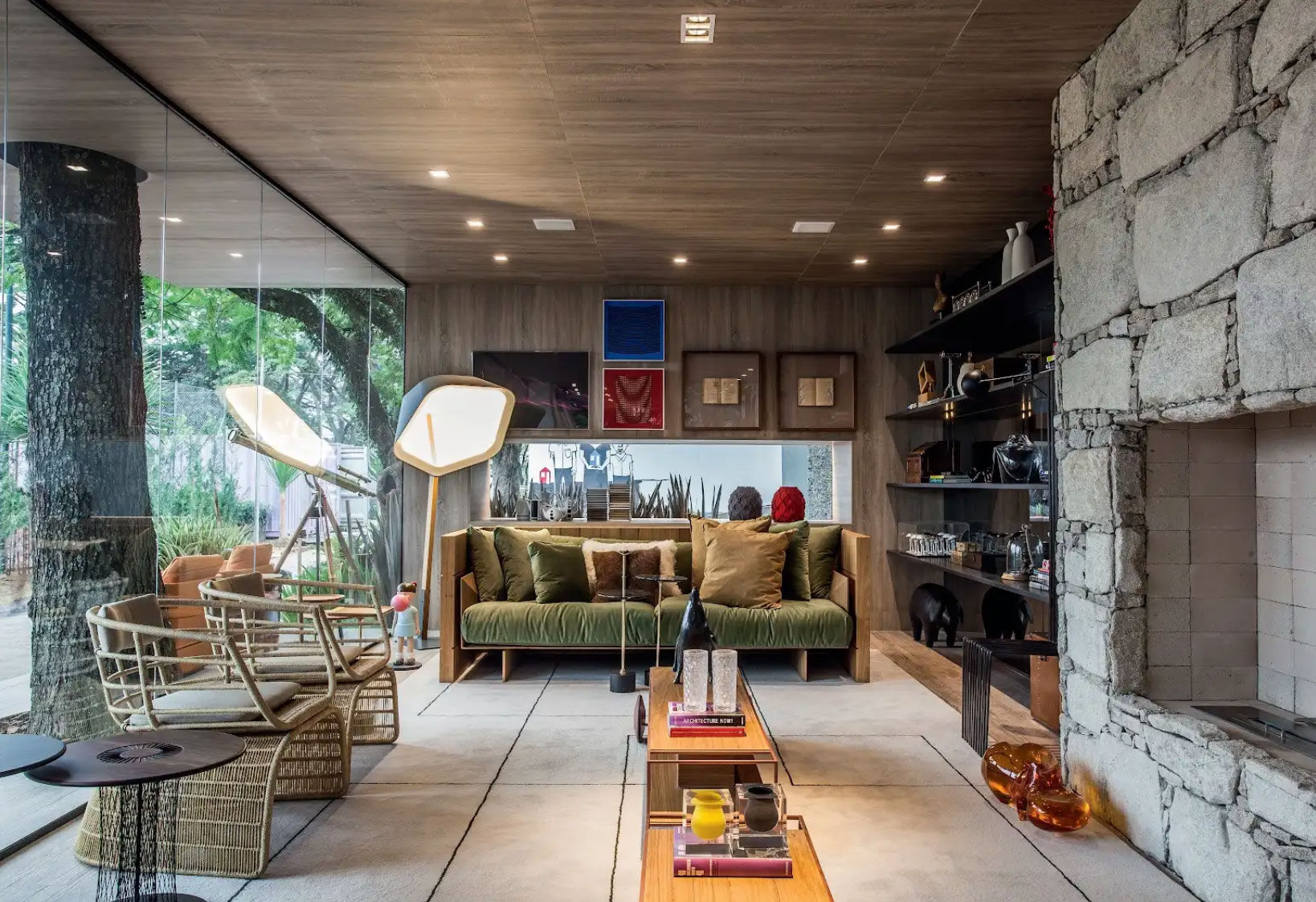
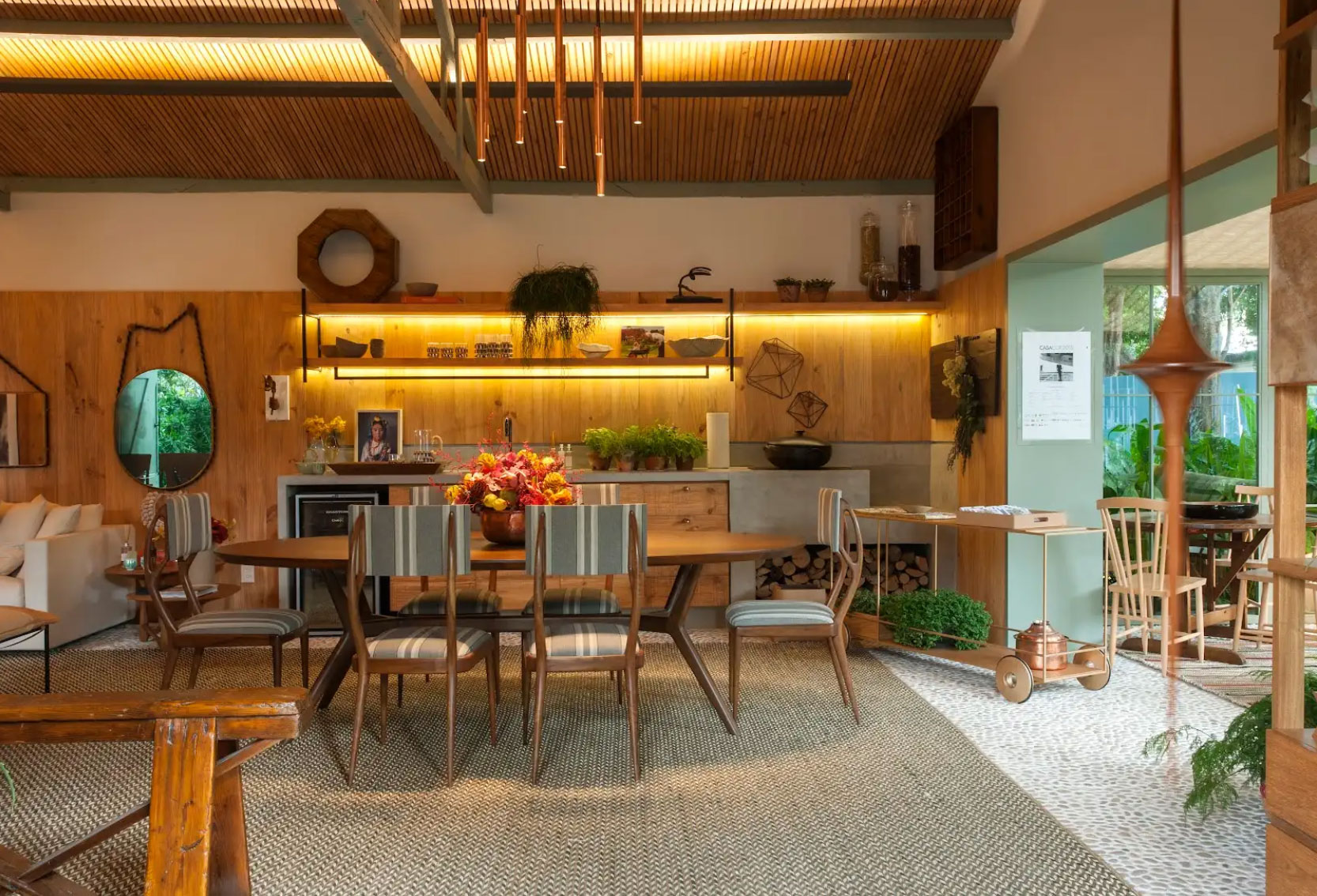
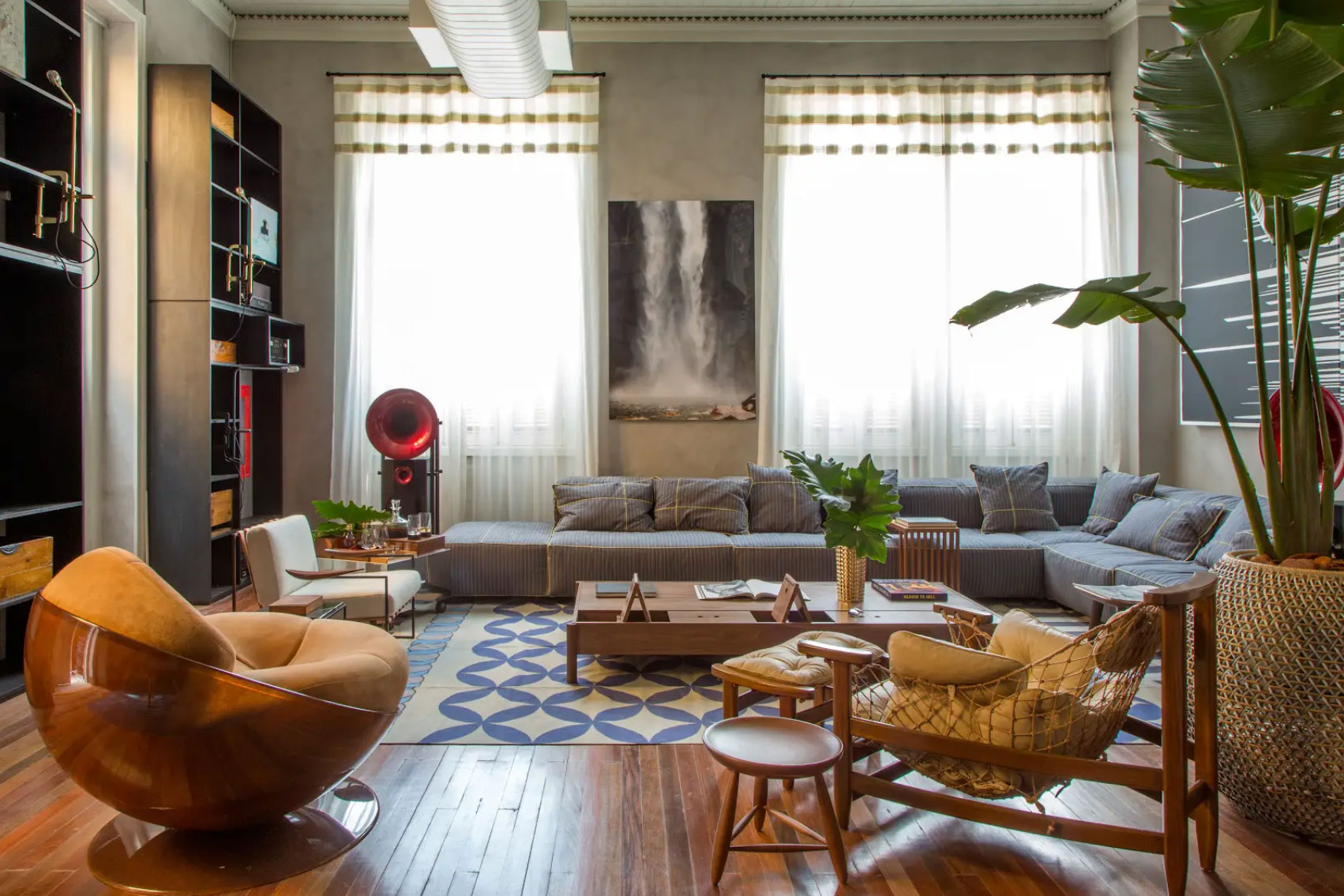
In the buildings of the Jockey Club, the highly anticipated lofts stole the show. Ary Lira designed a black and white base to accommodate a profusion of books and works of art. Bahian architect David Bastos used enlarged images of statues and frescoes to give his space the feel of a modern palace.
Outside, Gilberto Elkis created a multicolored and fragrant garden filled with potted flowers and herbs. Guilherme Torres introduced a new concept for spaces designed by Deca, proposing an original and innovative language.
Other highlights included Sig Bergamin’s cozy country house and the sophisticated entrepreneur’s living room, designed by Rio-based Paola Ribeiro. CASACOR Bahia took place at Chácara Baluarte, a 19th-century mansion in the Santo Antônio Além do Carmo neighborhood.
The first CASACOR Alagoas featured a living room designed by Osvaldo Tenório.
1 new national franchise: Alagoas
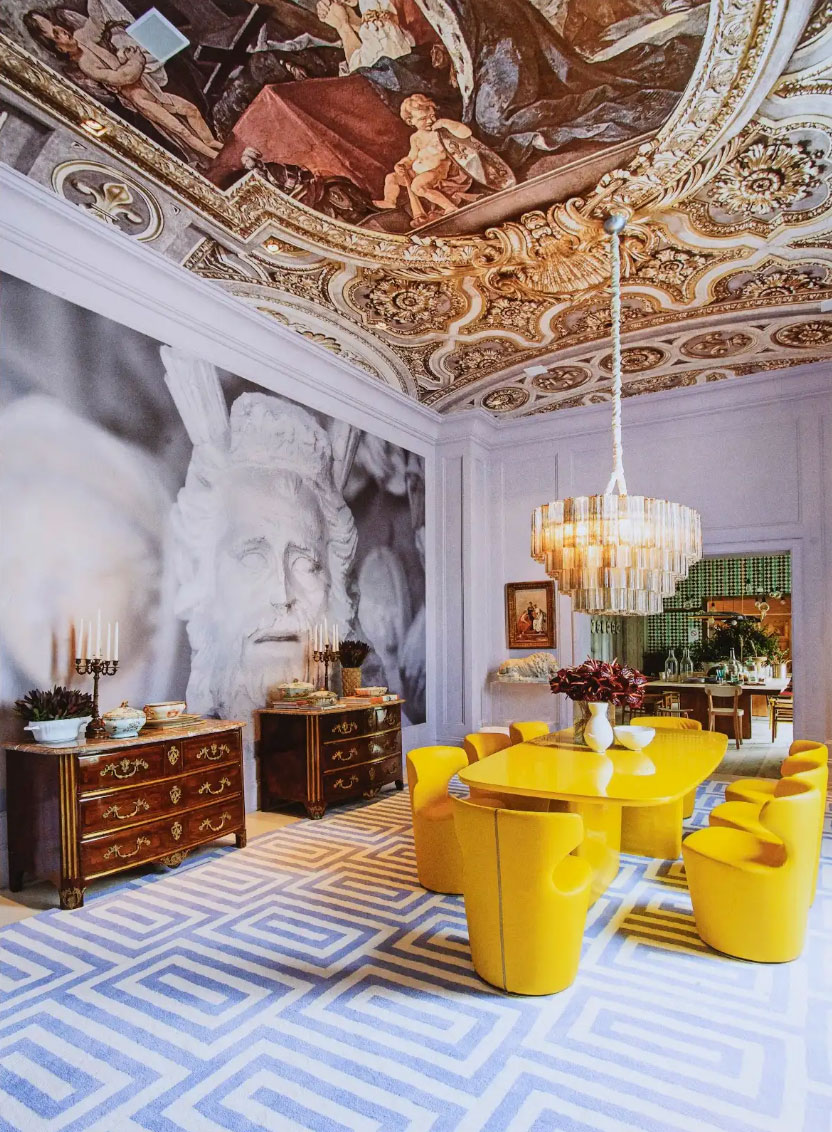
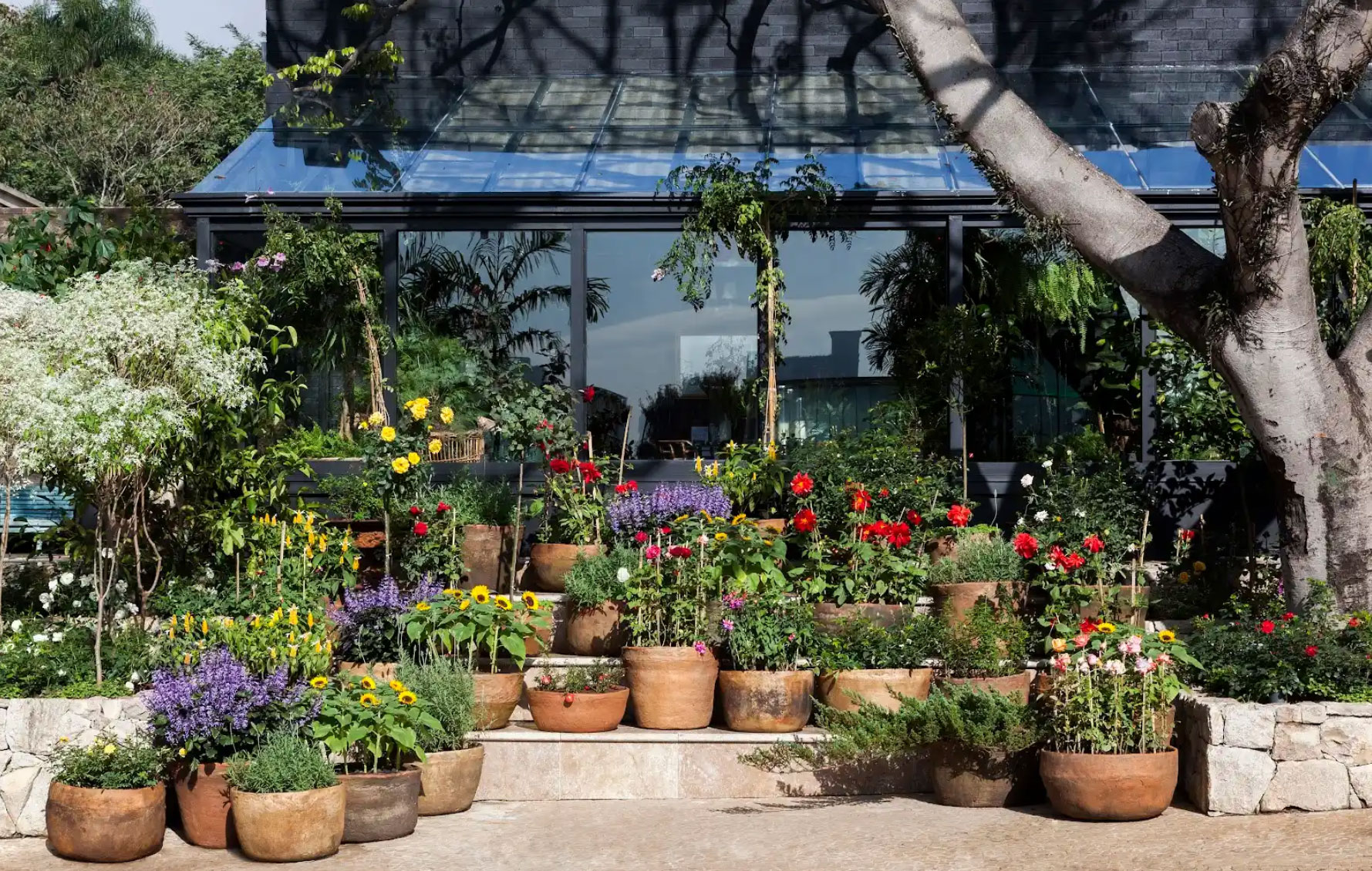
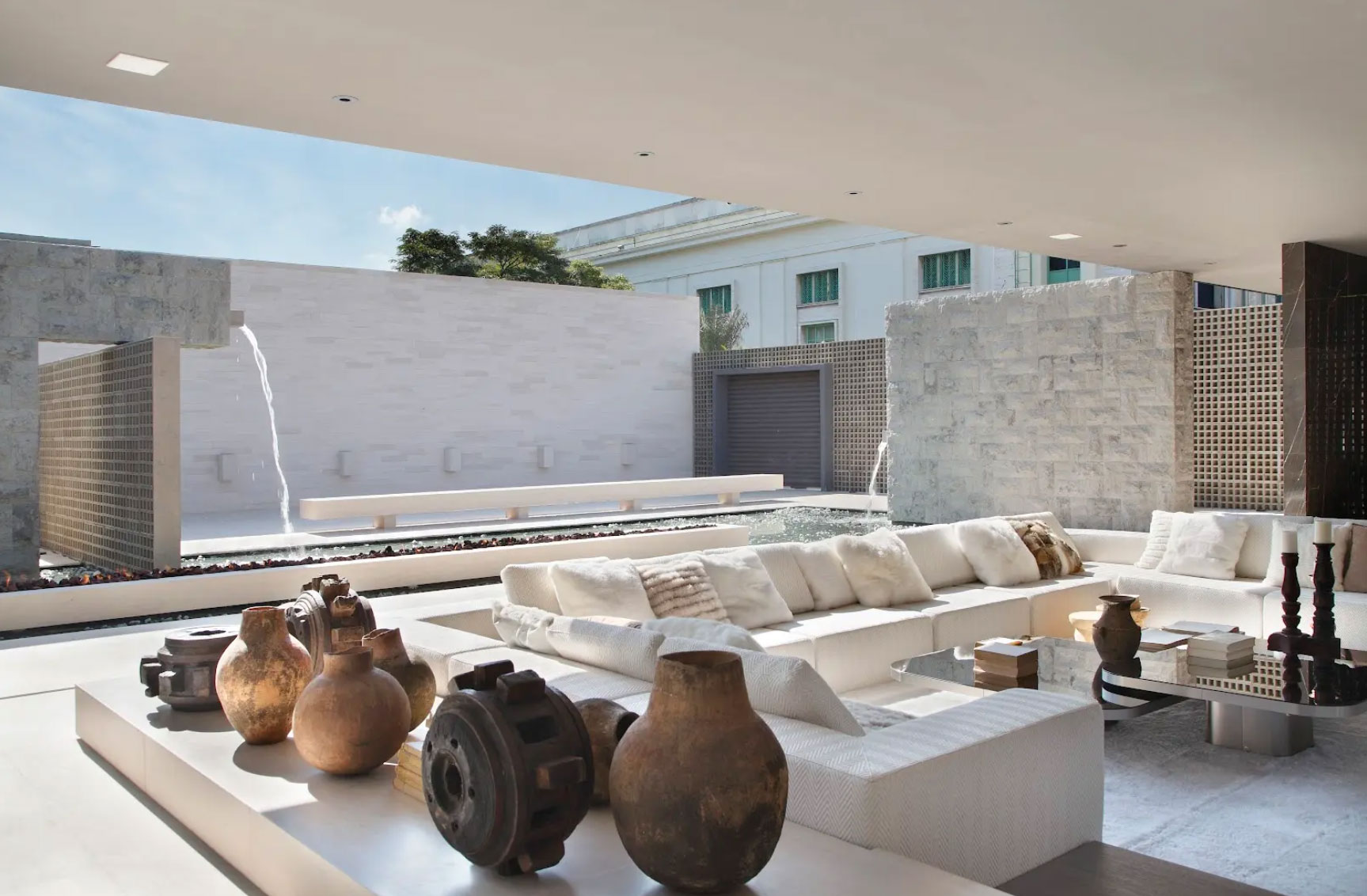
This was the first time that the selection of participants was carried out by a curatorial committee, which also had the mission of restoring all the glamour and sophistication of the show's early years.
In São Paulo, visitors could also admire a unique exhibition of furniture and antiques from part of the collection of the Museum of Modern Art in New York (MoMA), the result of a partnership between the brand and Fiesp.
Among the unforgettable spaces were Roberto Migotto’s beach house, the loft by Antonio Ferreira Júnior and Mario Celso Bernardes, and the garden by landscape designer Luiz Carlos Orsini, a tribute to Inhotim.
CASACOR Rio de Janeiro was set up in a condominium in Península, the city’s first ecologically planned neighborhood, located in Barra da Tijuca. Ivan Rezende designed the entrance area and used light wooden panels to define the spaces.
In Ceará, the exhibition took place in a 1950s house, with the facade’s retrofit done by Érico Monteiro.
In Goiás, Leo Romano placed the living room at the center of a reflecting pool.
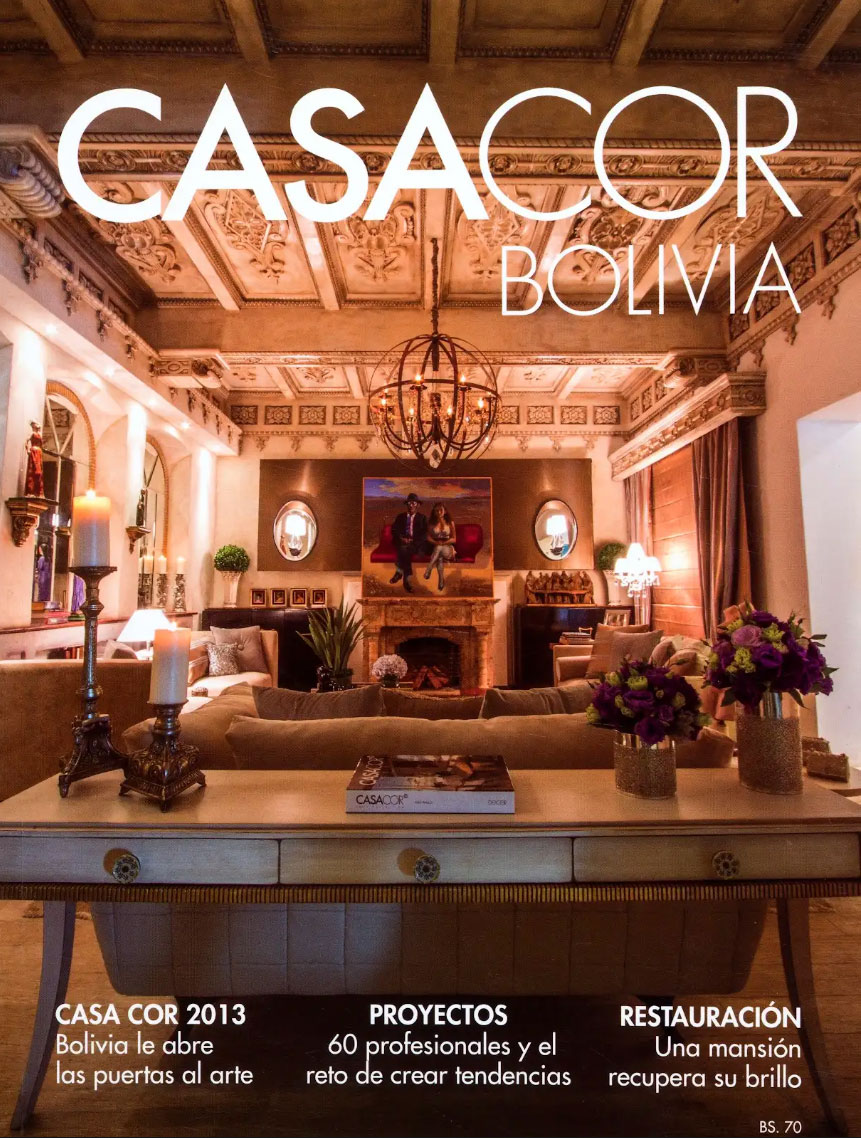
Bolivia also hosted its first edition of CASACOR.
Establishment of the curatorial committee
1 new international franchise: Bolivia
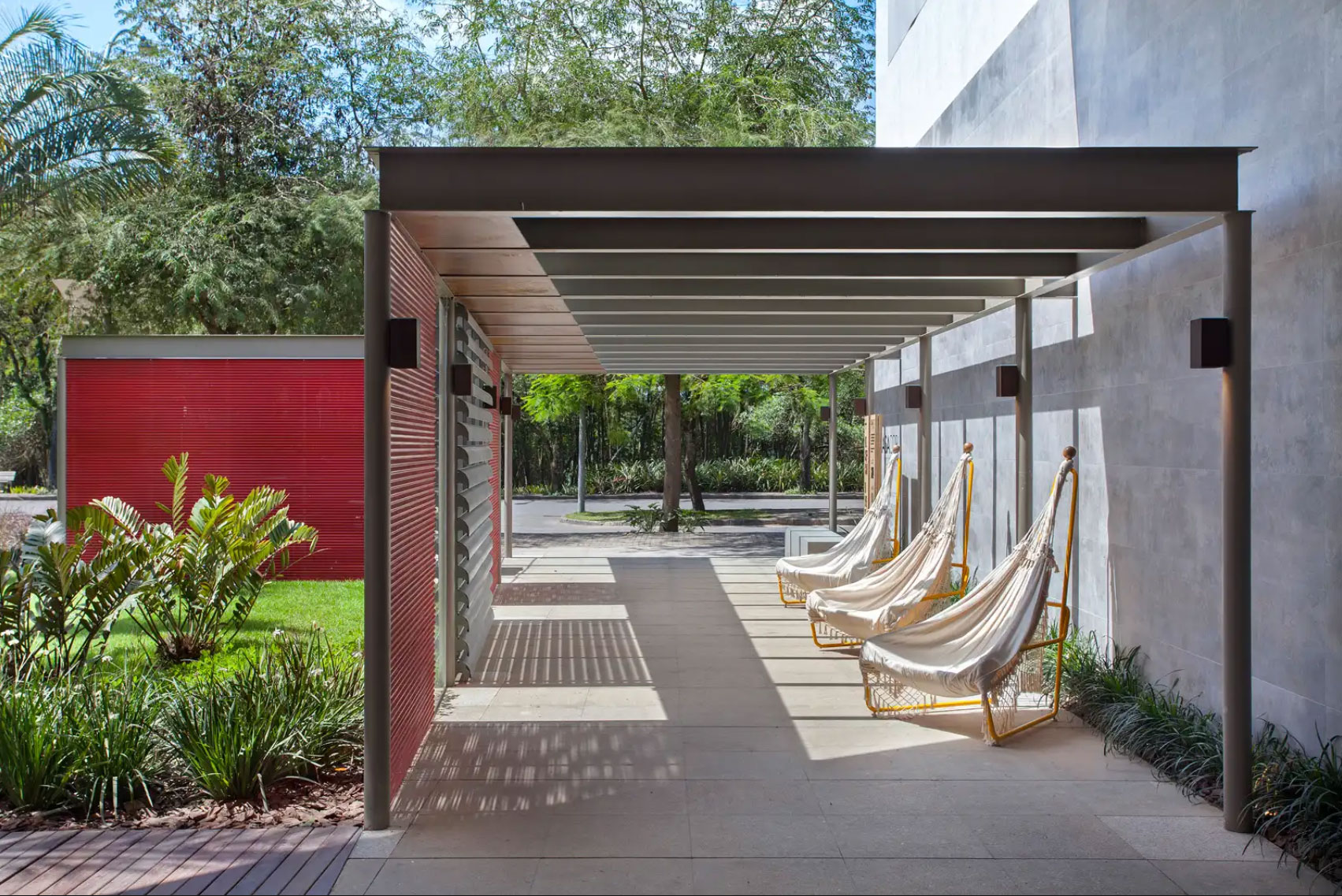
In the Flamengo neighborhood, the historic Hotel Balneário Sete de Setembro, built in 1922, hosted CASACOR Rio de Janeiro. The passage of time inside the building set the tone for Gisele Taranto's lounge, where she chose to keep visible cracks and proposed a dialogue between modernity and decay.
Beto Figueiredo and Luiz Eduardo Almeida, from Ouriço Arquitetura, also showcased parts of the original structure at the Flash Back Bar.
In São Paulo, Leo Shehtman introduced the Bubble Loft, composed of transparent bubbles inflated with compressed air and scattered across the Jockey Club’s lawn.
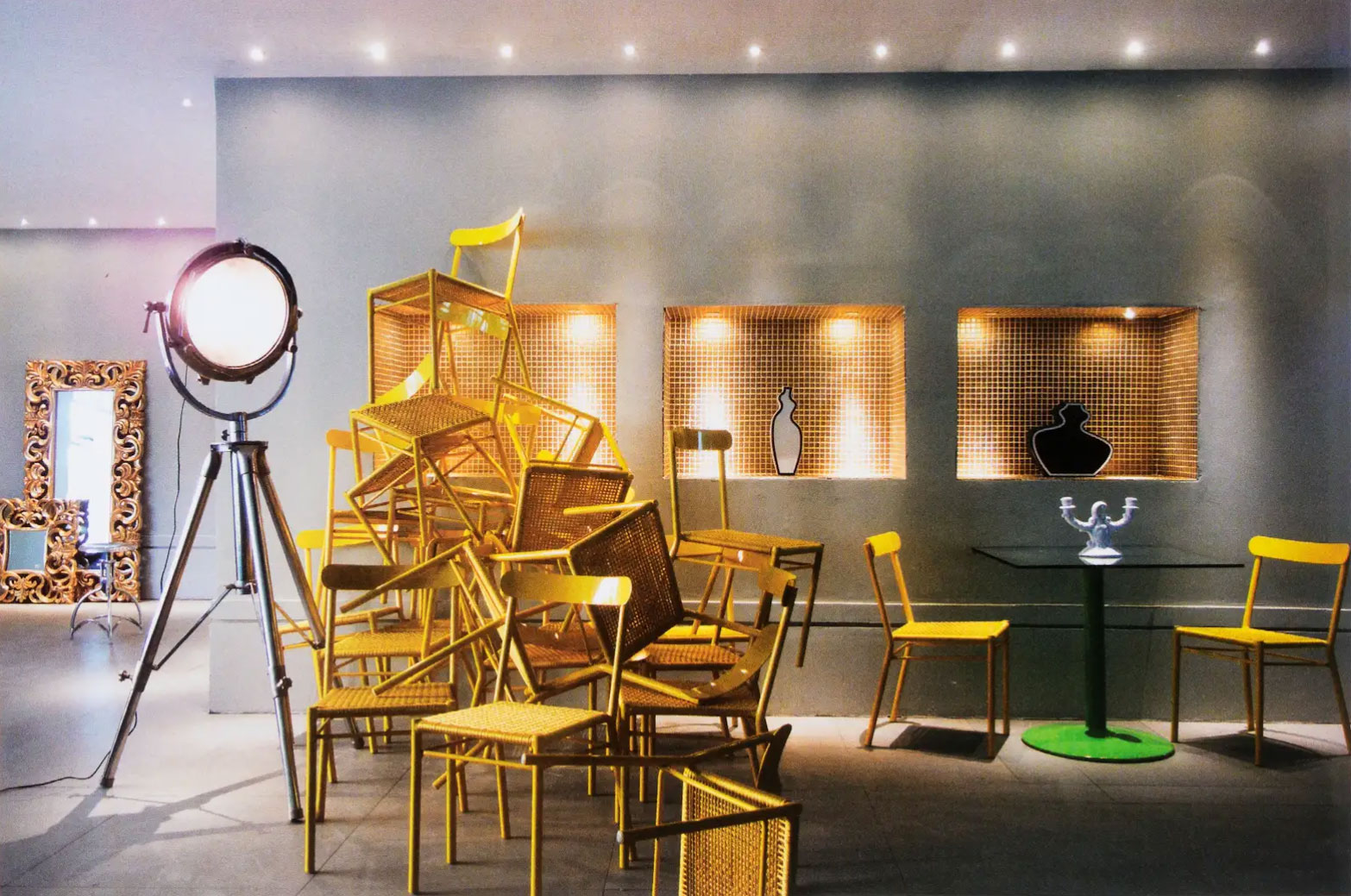
Kiko Sobrino broke away from traditional restaurant aesthetics by creating an installation of stacked chairs.
A master of poetic lighting, German designer Ingo Maurer curated a gallery to exhibit pieces like the Zettel’z 5 pendant lamp.
Another state in Brazil’s Northeast debuted the exhibition: Rio Grande do Norte.
1 new national franchise: Rio Grande do Norte
Editora Abril takes full control of the event
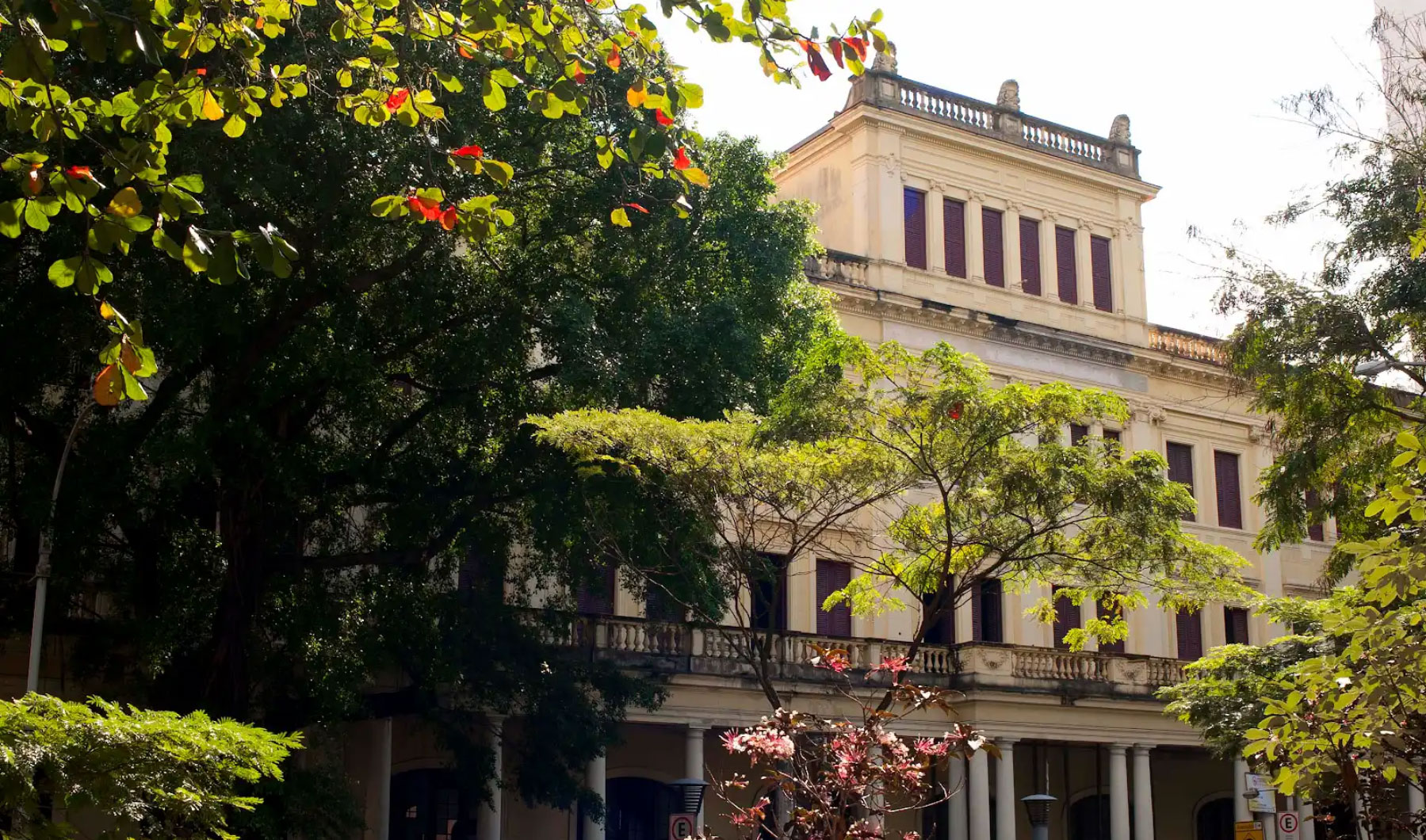
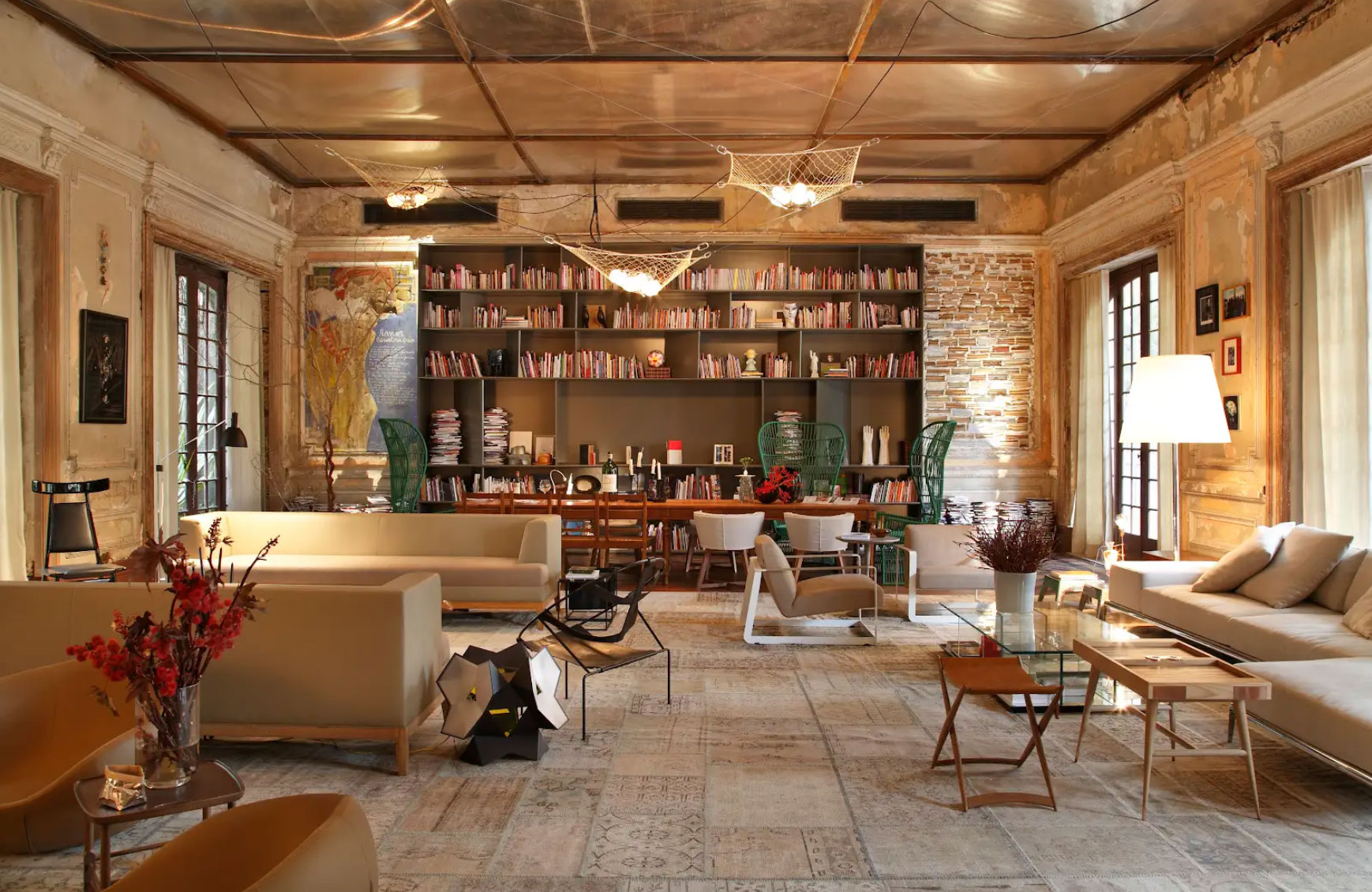
The cover of the 25th Anniversary Yearbook featured Joia Bergamo's loft and highlighted the three parallel exhibitions: CASA KIDS, CASA TALENTO, and CASA HOTEL – a sector that, incidentally, was booming in preparation for the 2014 FIFA World Cup in Brazil.
This theme was evident in the Neymar Suite, designed by Camilla Matarazzo. In the Contemporary Woman’s Suite, Rosa May Sampaio created a space dedicated to personal care.
Brunete Fraccaroli drew attention to sustainability by installing colorful container homes in her space. Fabio Galeazzo included a collector’s item in his cabin: the Chifruda armchair by Sergio Rodrigues.
Sérgio Athié and Ivo Wohnrath turned the large screen into a highlight at the bar.
In Goiás, Leo Romano defined the bedroom area with a house-shaped silhouette, and the Peru edition restored the historic Ronald Building in the port area of Callao.
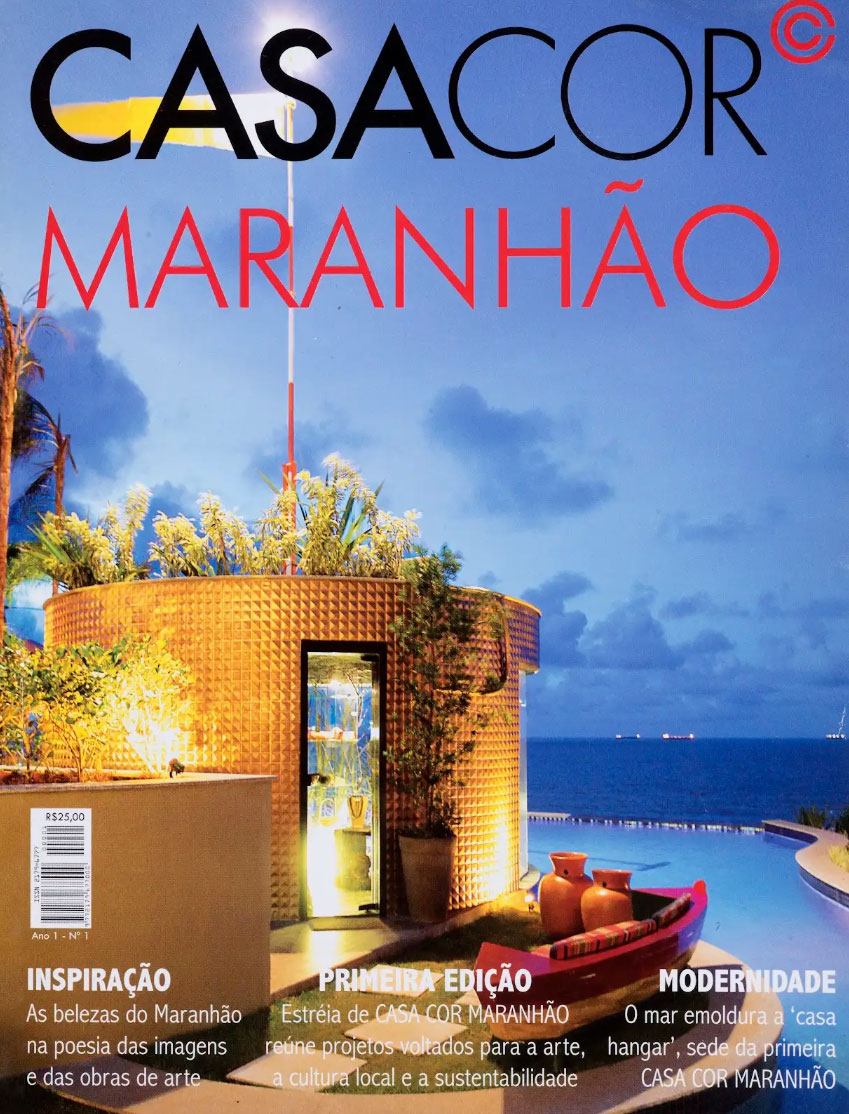
The year was also one of celebration in Rio de Janeiro, marking a decade of the local exhibition. The first editions of CASACOR Maranhão, Pará, and Chile took place.
2 new national franchises: Maranhão and Pará
1 international franchise: Chile
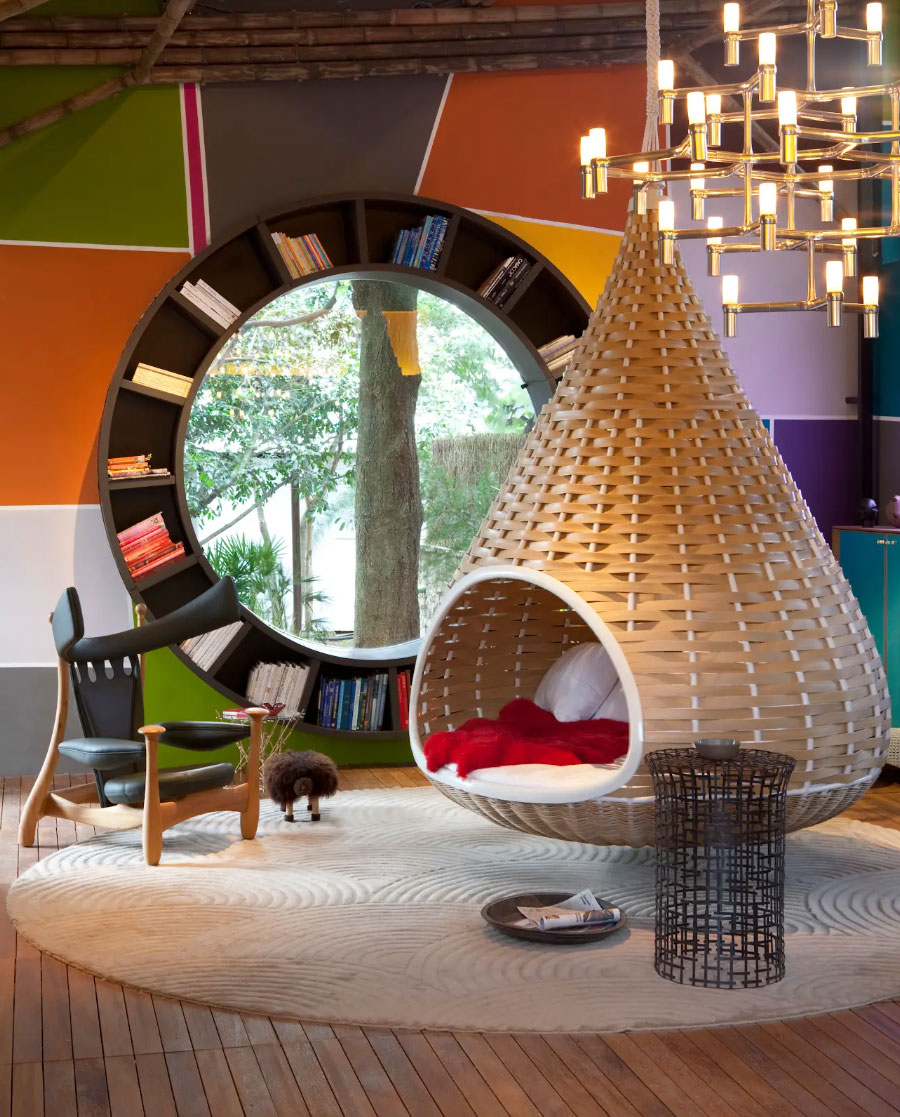
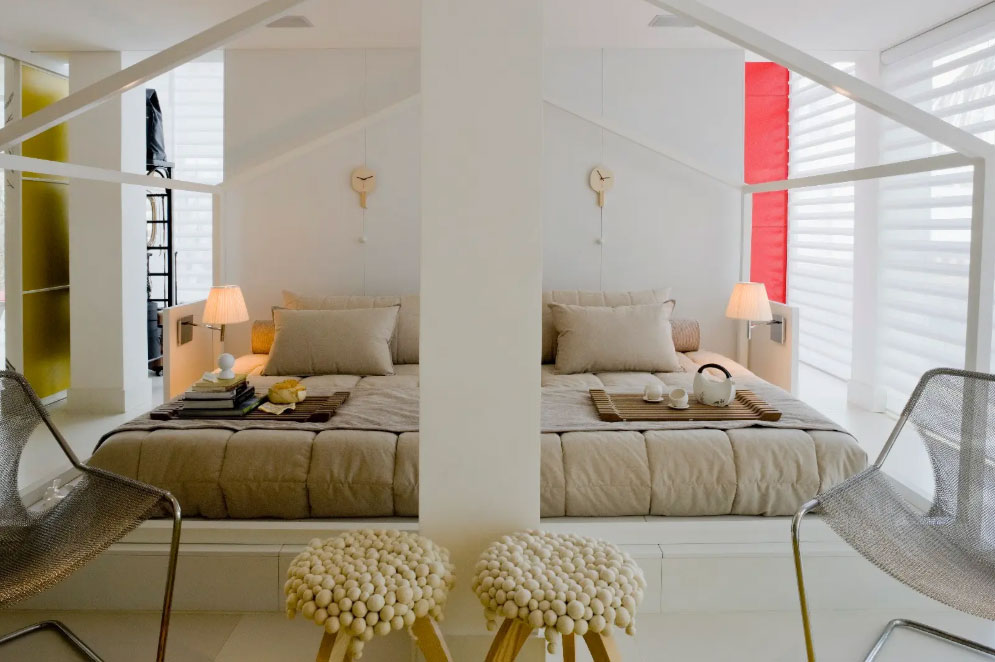
CASACOR Rio de Janeiro was held at the Palacete Modesto Leal in Laranjeiras, a neoclassical-style building from 1883. There, Maurício Nóbrega transformed the porch into a living room.
In Brasília, Leo Romano used the power of red in the entrance atrium. In Paraná, Wilson Pinto's portico combined dramatic lighting with water reflections, leading visitors into a dreamlike universe.
In Minas Gerais, Pedro Lázaro's living room honored the work of Mestre Didi, one of the greatest Afro-Brazilian artists of the 20th century.
In São Paulo, CASACOR embraced the theme “Your home, your life, more sustainable and happy,” and the Jockey Club stands became a scenic viewpoint in Fernando Brandão's project. Consuelo Jorge designed a hotel suite that foreshadowed the reign of gray tones in the following decade's décor.
The main honoree this time was architect and urban planner Lúcio Costa. Another franchise joined the portfolio: Amazonas.
1 new national franchise: Amazonas
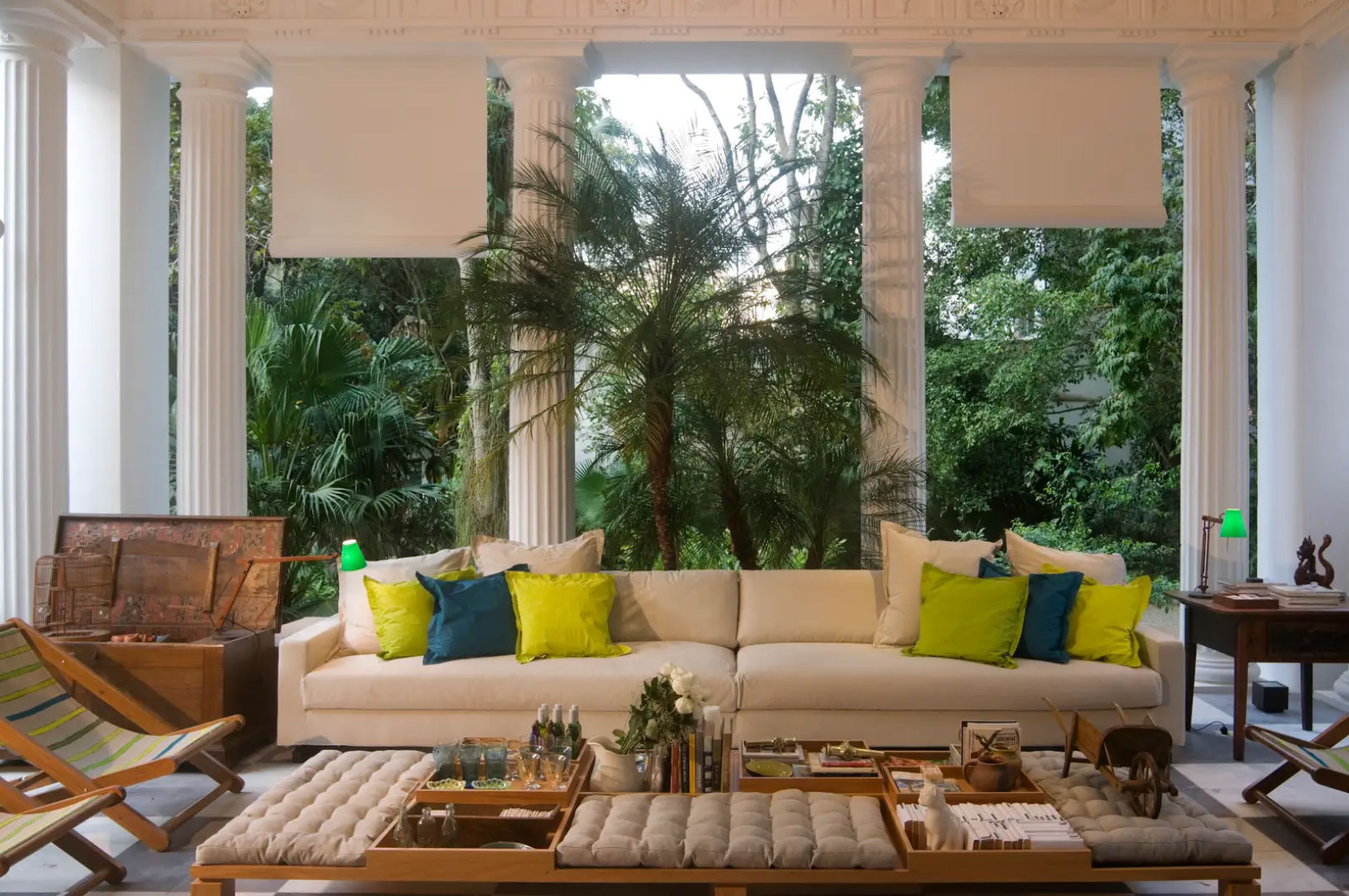
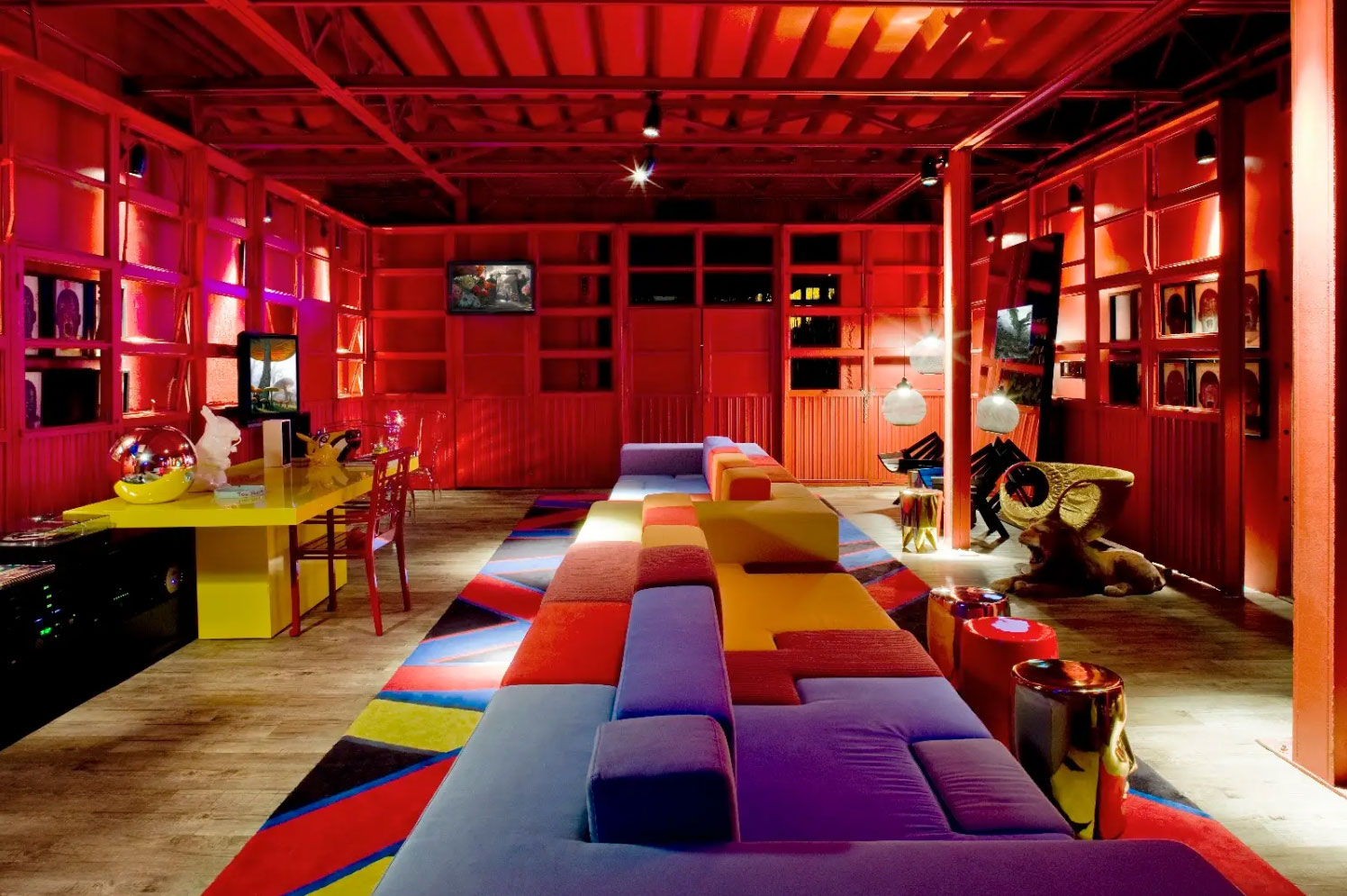
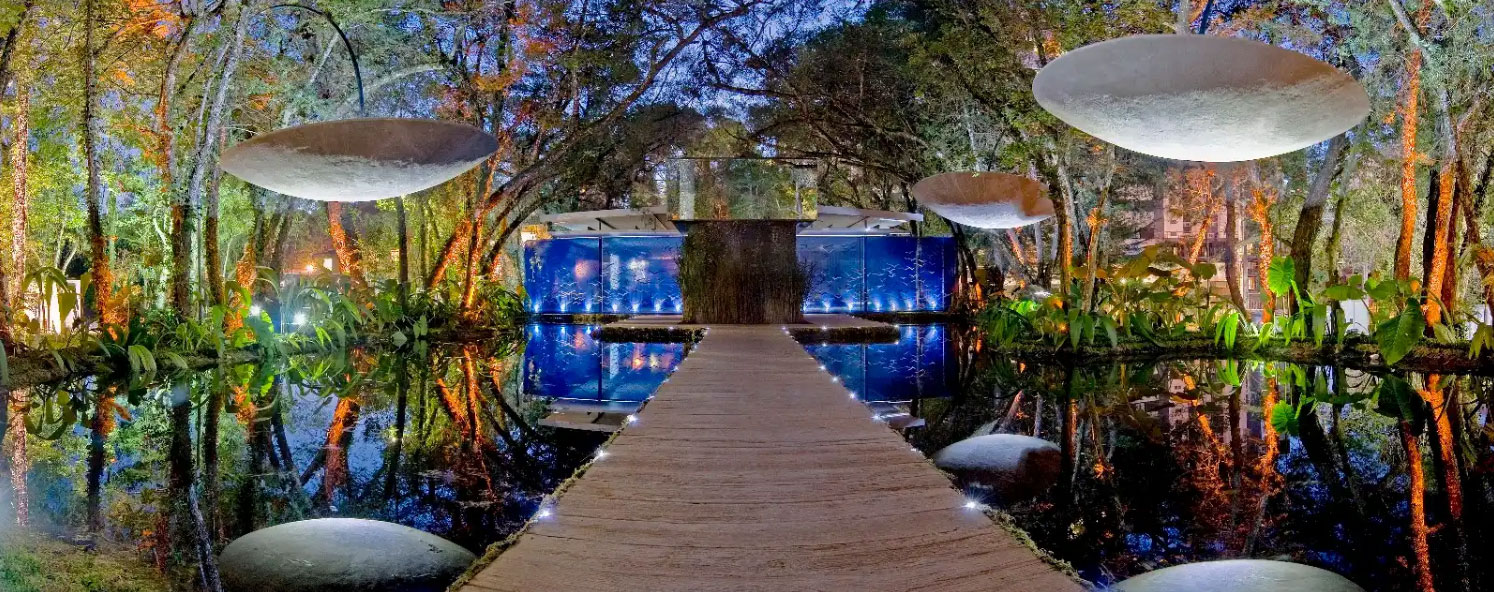
The focus on sustainability and the centenary of Roberto Burle Marx guided the exhibition, which occupied much of the Jockey Club with the CASACOR Village. Complete houses were spread across the site, and the entrance garden, designed by Gica Mesiara, paid tribute to the renowned landscape designer.
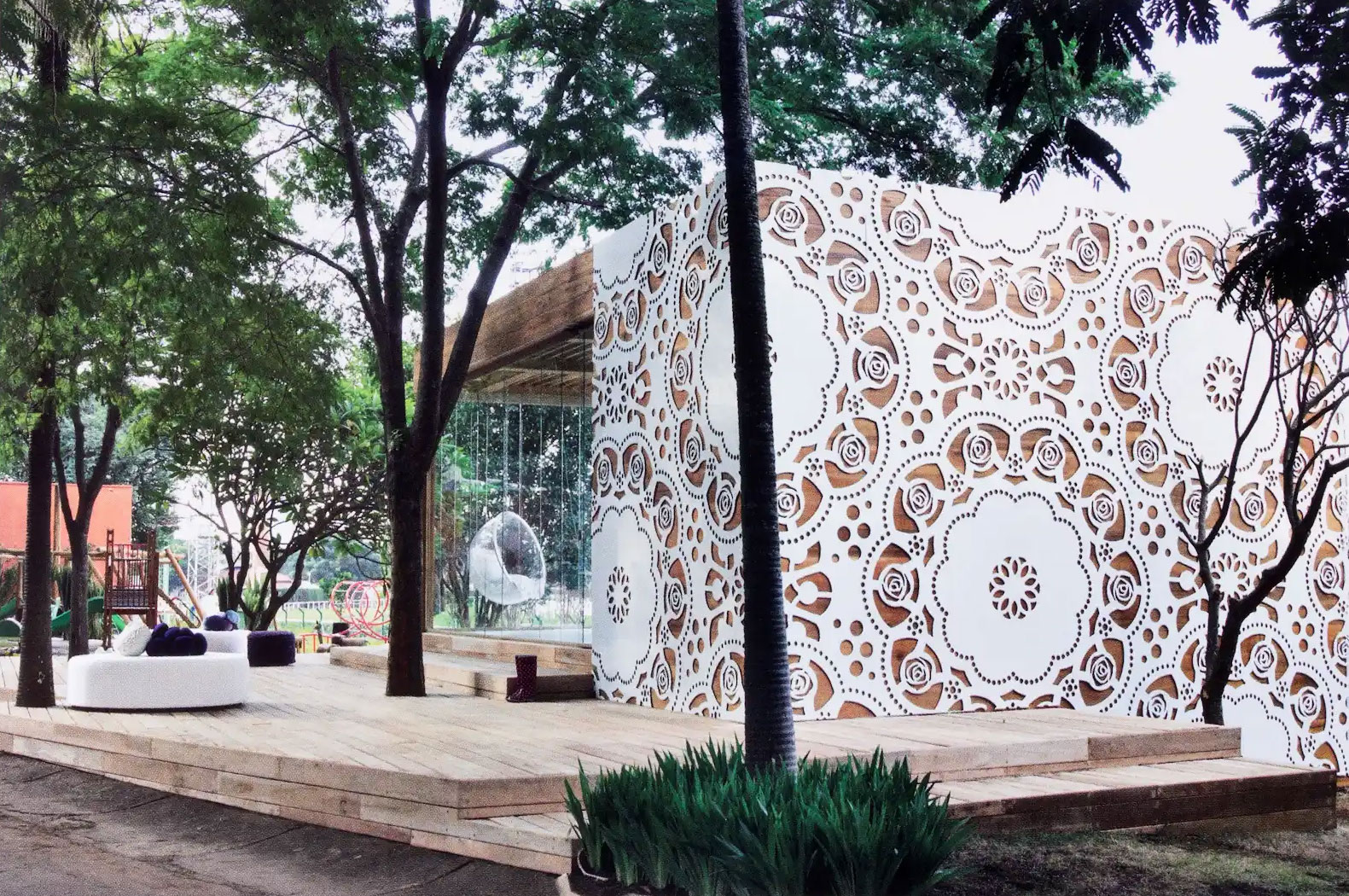
In her live-work loft, Fernanda Marques designed a powerful bookshelf and positioned the office facing a lake. Arthur Casas’ cabin highlighted folk art with works by master artisans displayed in a horizontal opening in the wall. Marcia Coelho reinterpreted handmade craftsmanship through aluminum sheets with lace-like cutouts applied to the facade.
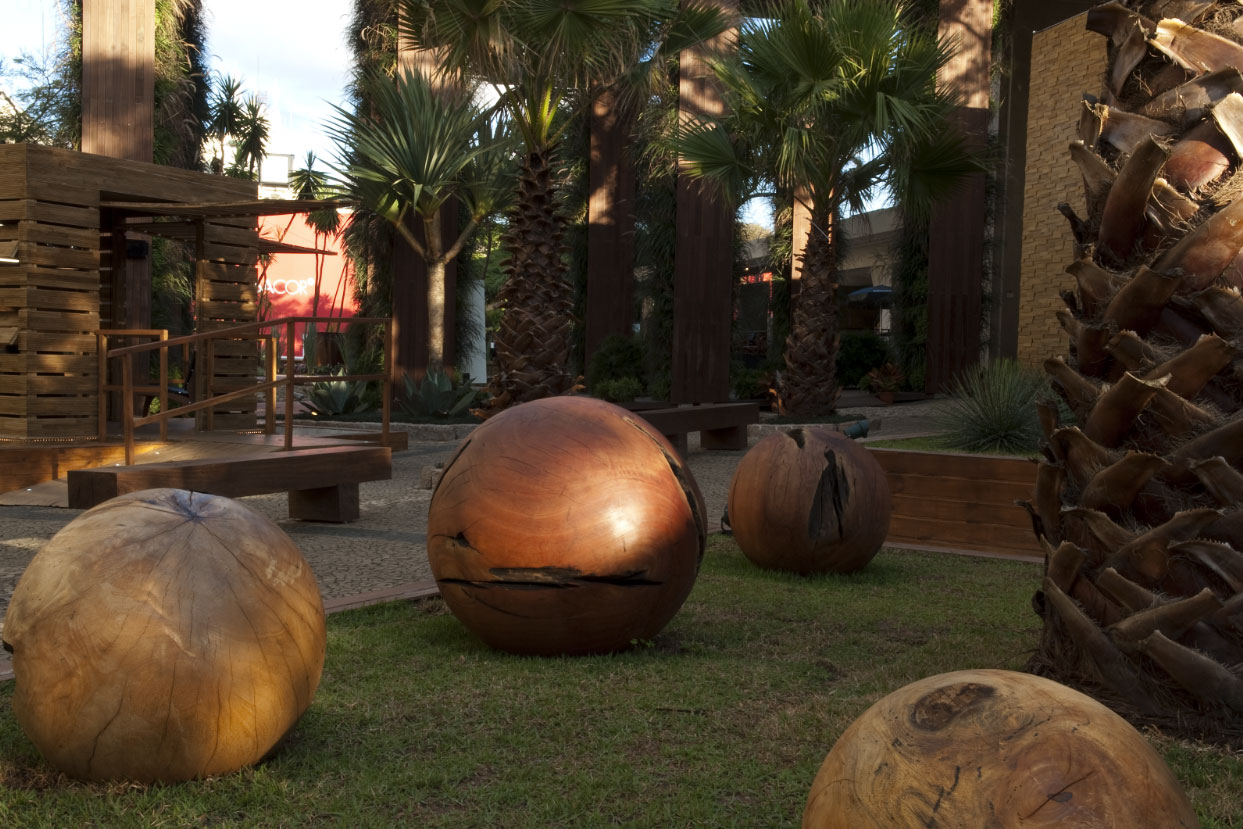
Wooden spheres added a playful touch to Marcelo Faisal’s tropical garden. That year, two simultaneous events were created: CASA KIDS and CASA HOTEL.
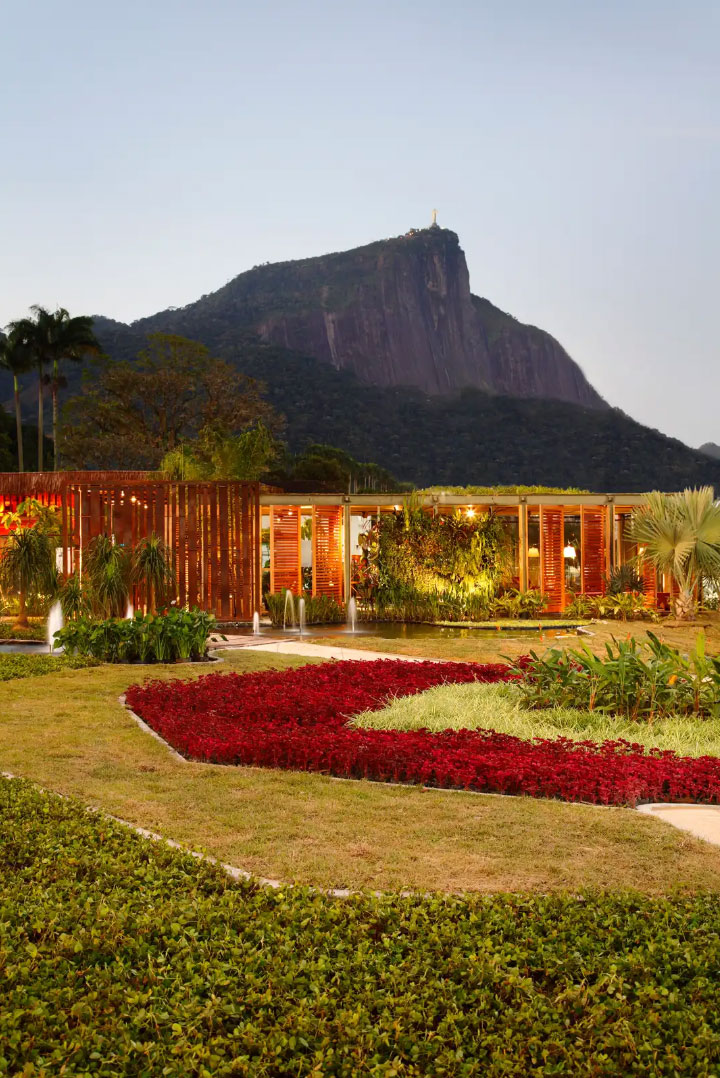
In Rio de Janeiro, Ivan Rezende designed a glass box that integrated architecture with the landscape. In Ceará, the exhibition took place in a modernist house from 1956, a project by Acácio Gil Borsoi. Another franchise was inaugurated, in Mato Grosso do Sul.
1 new national franchise: Mato Grosso do Sul
A new management took over CASACOR, now organized by Doria Associados and Abril S/A, with the direction of publisher Angelo Derenze. The São Paulo exhibition, which took place in the old laboratory of the Jockey Club, paid tribute to architect Oscar Niemeyer, who was 100 years old at the time. Green spaces took center stage: Luiz Carlos Orsini created one of his beautiful mixes of species, while Fernanda Abs and Fred Benedetti designed a wooden cabin with the feel of a treehouse, and Dado Castello Branco offered the pleasure of observing the landscape through a glass panel. In Rio de Janeiro, Pedro Paranaguá designed a loft with a serene atmosphere. The Paraná edition restored the historic Clube Concórdia building, dating back to 1887.
Tribute to Oscar Niemeyer
Three new parallel events
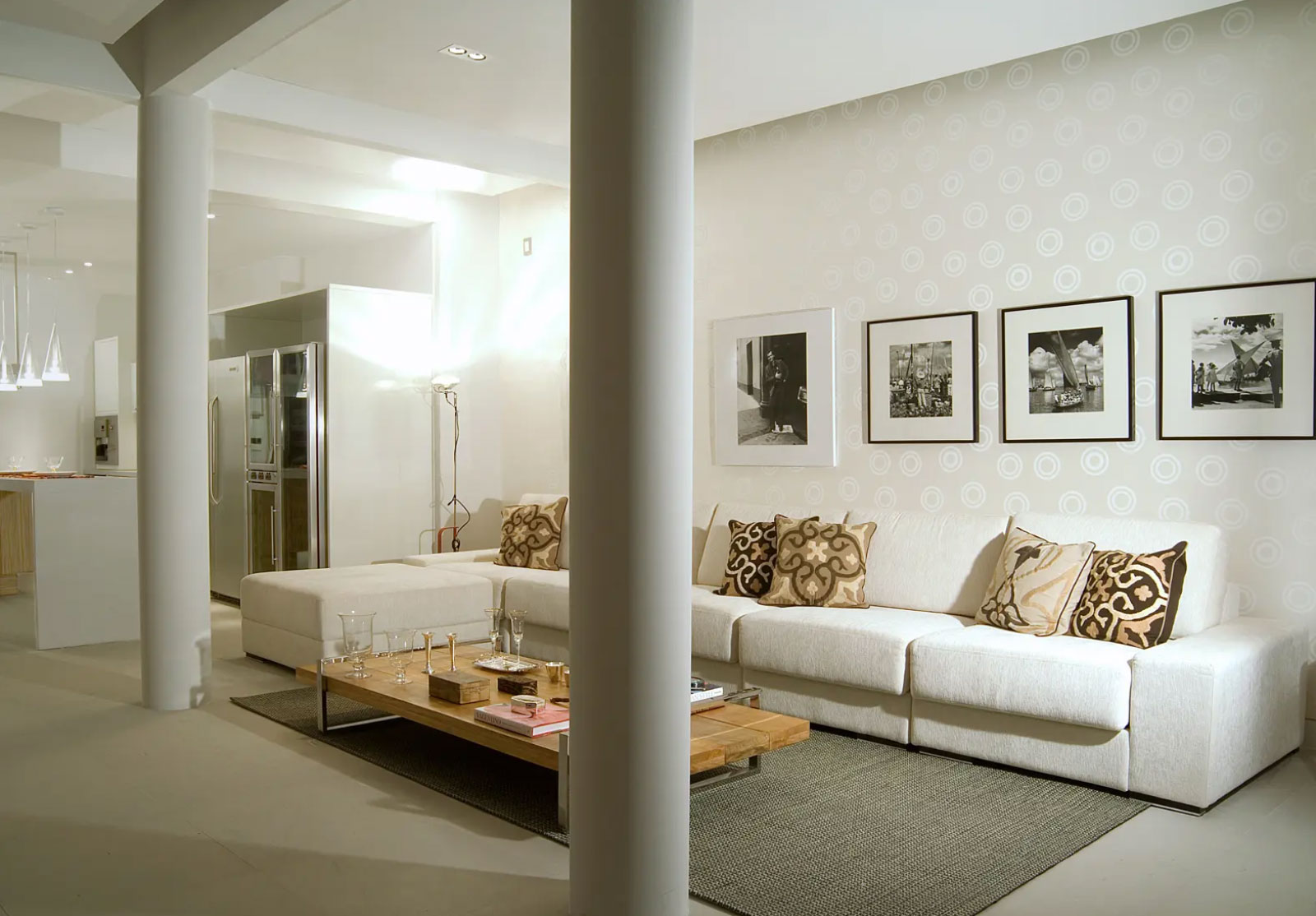
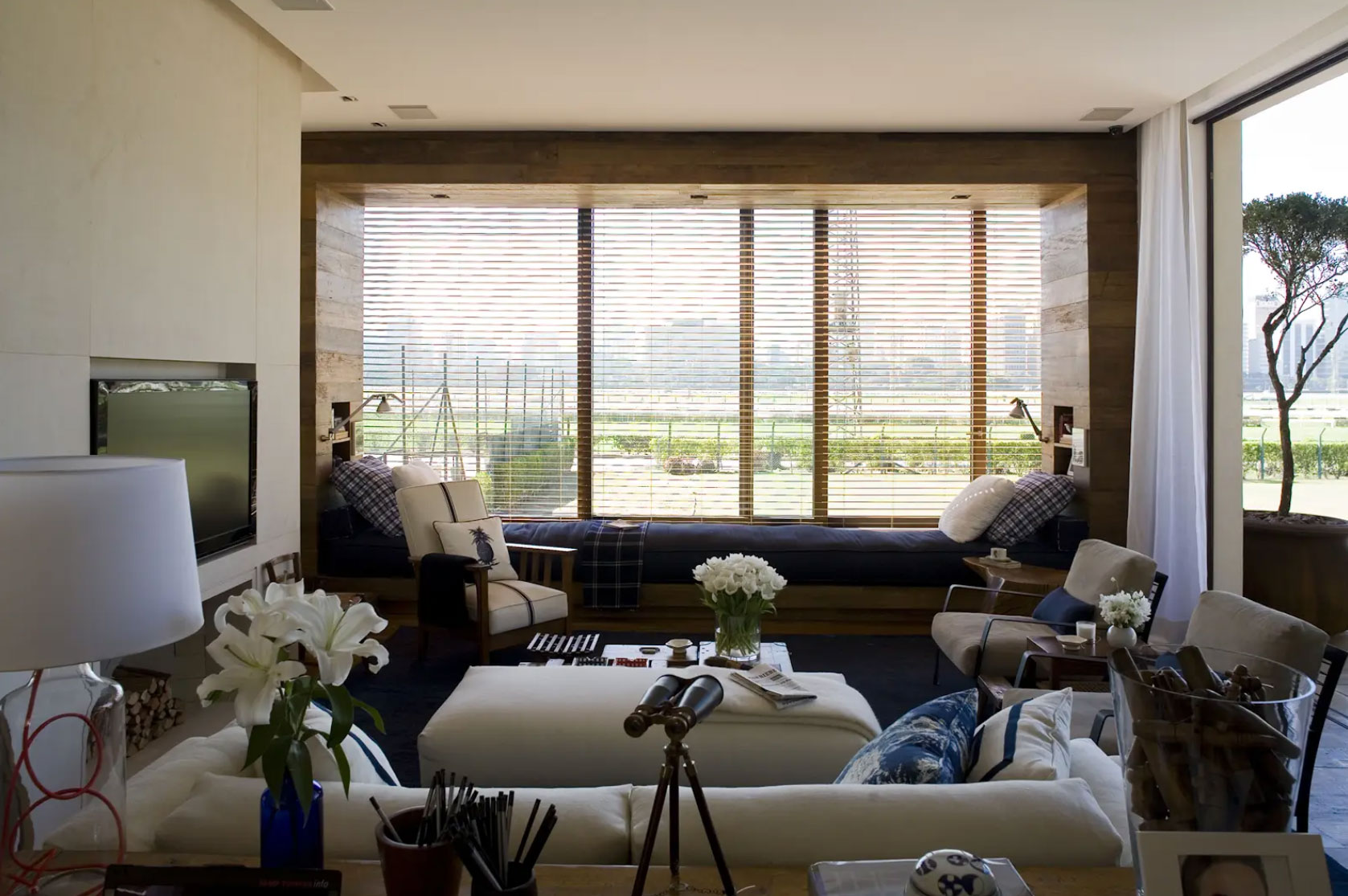
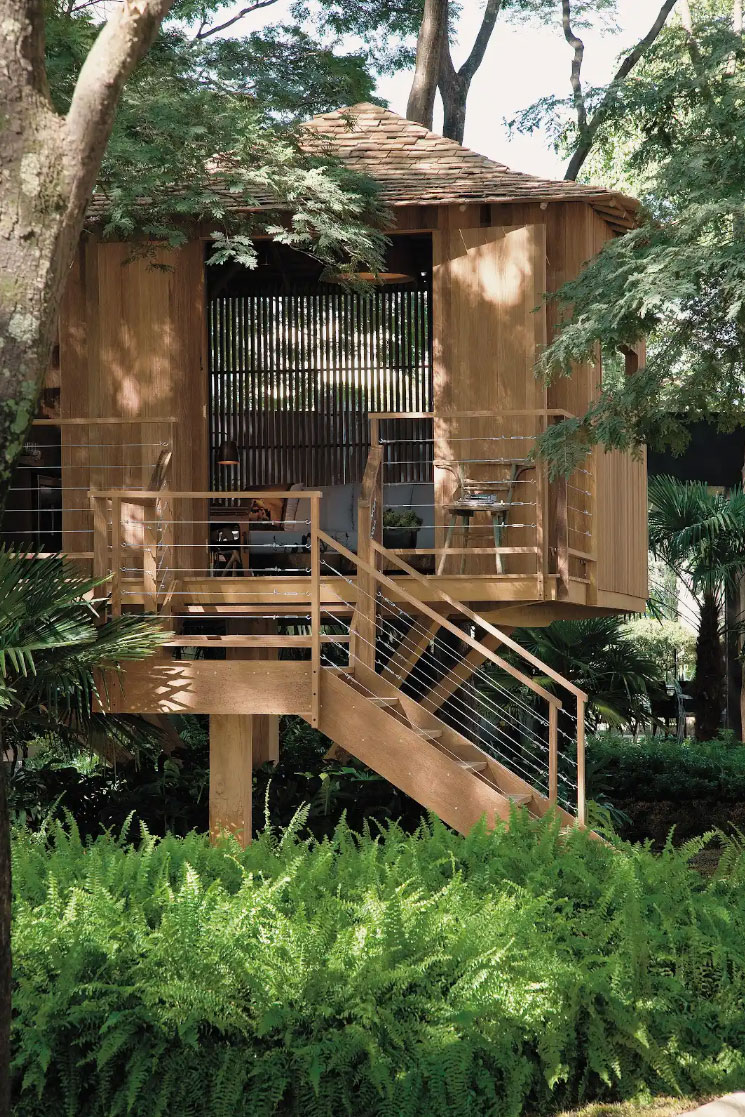
The brand's expansion brought CASACOR to Sweden, in a 1910 building, the T-Building, in Stockholm. The São Paulo architect Patricia Martinez joined the local professionals and presented a cozy living room. In Panama, the exhibition was installed in the old Santo Tomás Hospital, from 1924, and Panamanian interior designers Michelle St Malo de Carbonell and Yifat Horowitz highlighted the grandeur of the original architecture. For the 2nd edition hosted at the Jockey Club, CASACOR faced the challenge of building a luxury condominium in the stands. After three months of work, the hard work resulted in seven studios, a penthouse apartment, and common areas such as a spa, laundry, and kitchen. Roberto Migotto presented a luxurious all-white loft. Marcelo Rosenbaum included elements of popular culture in his kitchen. Colors created focal points in Ruy Ohtake's environment, which featured red walls. Visitors arrived in style through Francisco Cálio's lounge and exited just as stylishly through Patricia Anastassiadis' space.
First international editions: Sweden and Panama
Highlight on innovative lofts and common areas
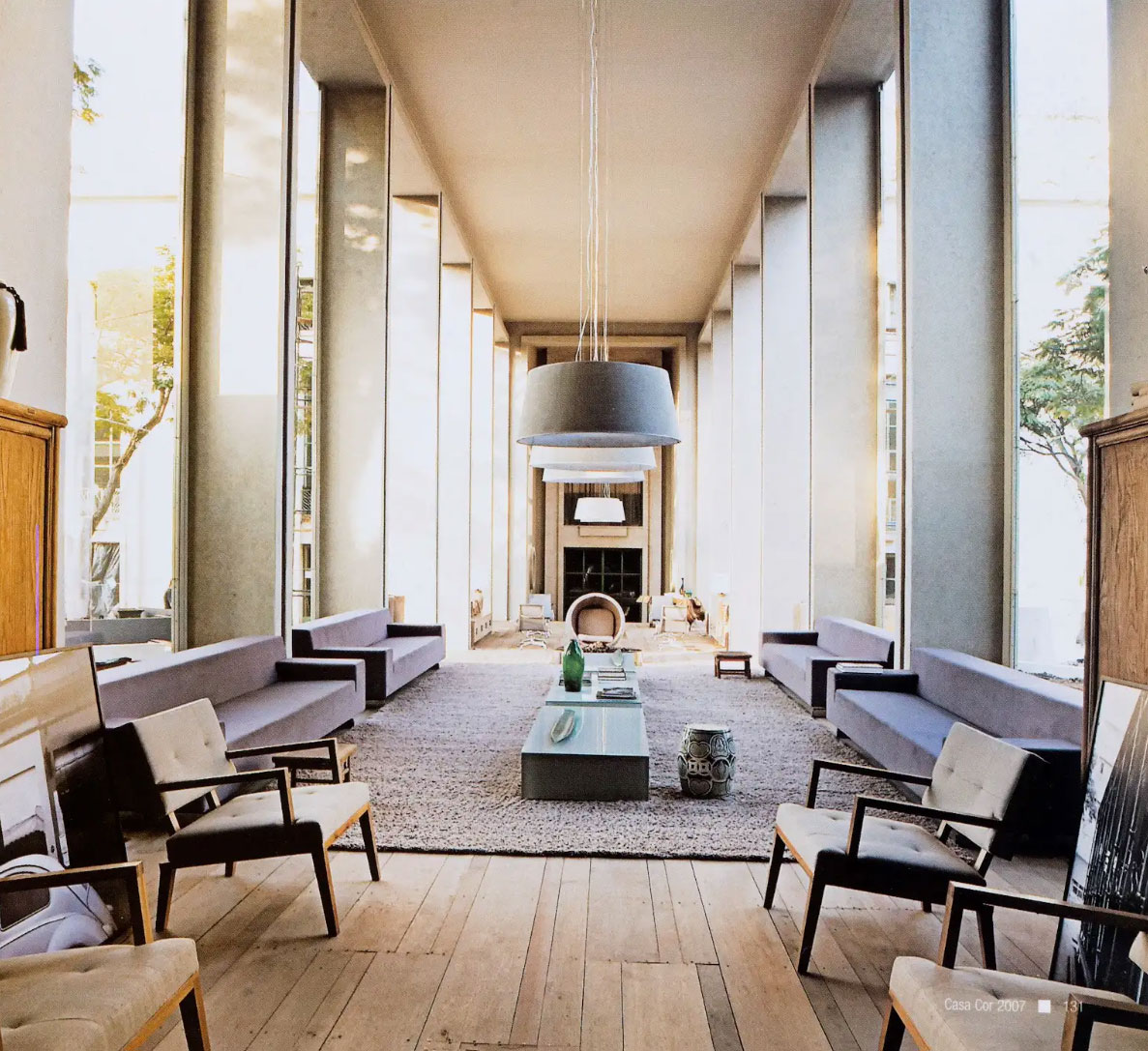
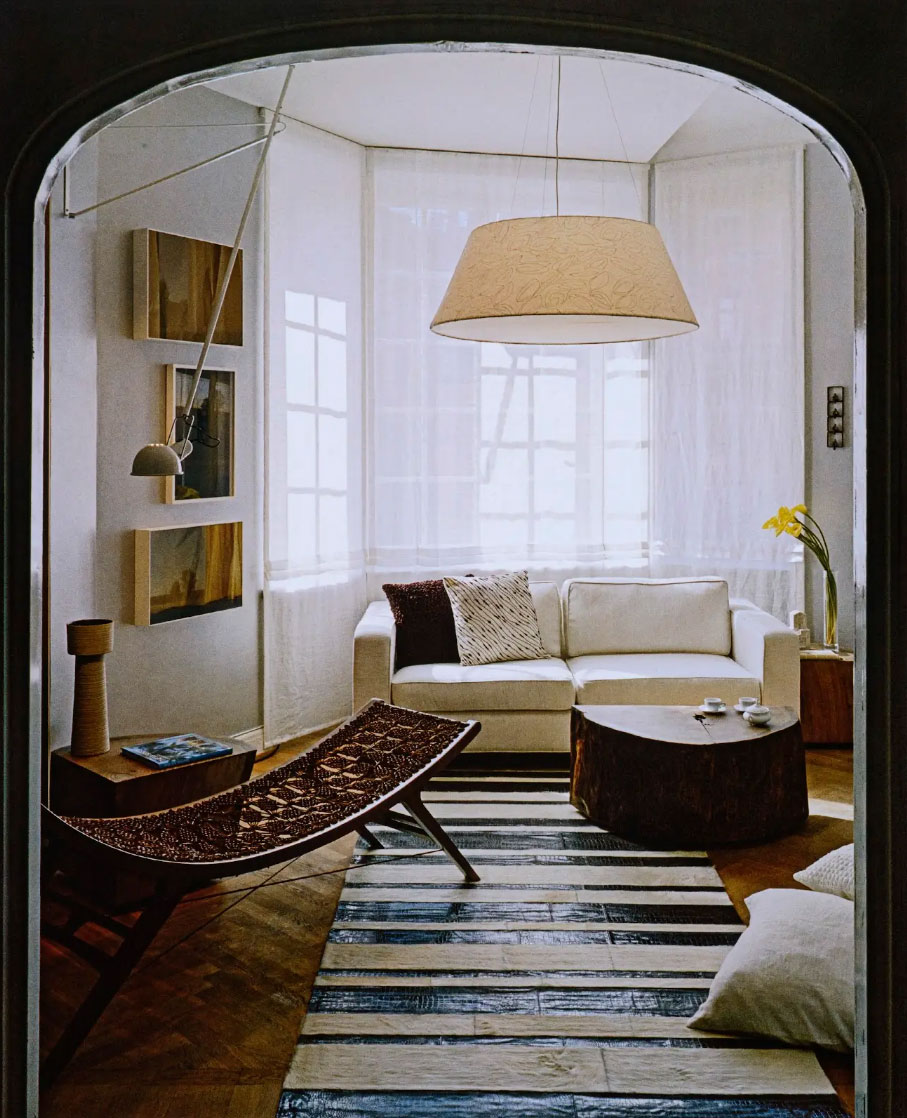
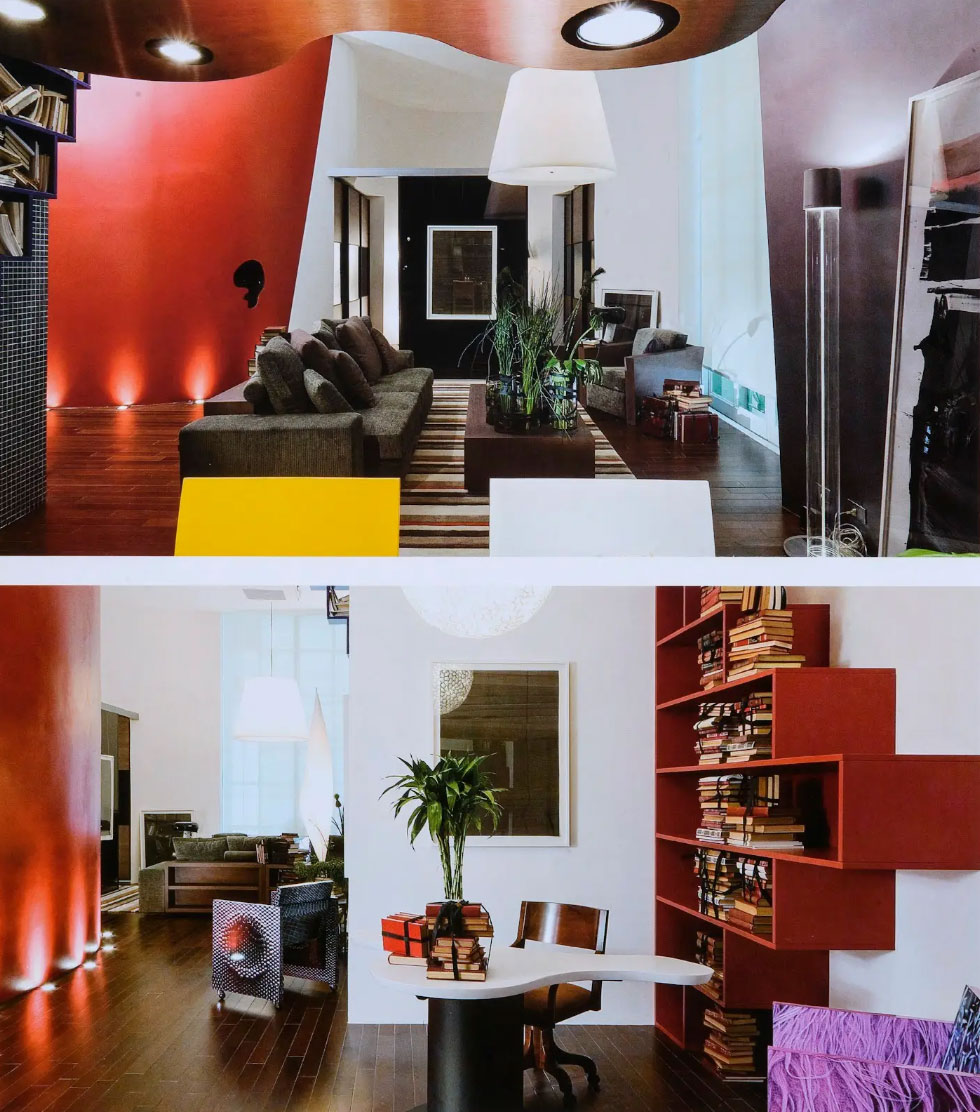
The era of the Jockey Club de São Paulo begins, with 14 consecutive years of CASACOR. "Either you go, or you stay unaware" was the theme of the 20th-anniversary edition, which took place in the outpatient clinic of the complex, with 60 environments signed by a renowned team. João Armentano surprised by proposing a solution for small apartments, a pop-up piece of furniture that combined a bedroom, kitchen, office, and dining table. The power of artwork and dark tones to create elegance appeared both in Sig Bergamin's and Fernando Piva's environments. In this edition, CASACOR partnered with the Special Secretariat for People with Disabilities and Reduced Mobility (Seped) to promote the concept and technical accessibility standards among professionals. The result was projects such as the accessible sidewalk, with permeable flooring, by Benedito Abbud. In Ceará, Roberto Pamplona brought back the piaçava roofing in the spa construction. In Brasília, Denise Zuba applied smart zoning of spaces using partitions.
1st edition held at Jockey Club São Paulo, the event’s venue until 2019
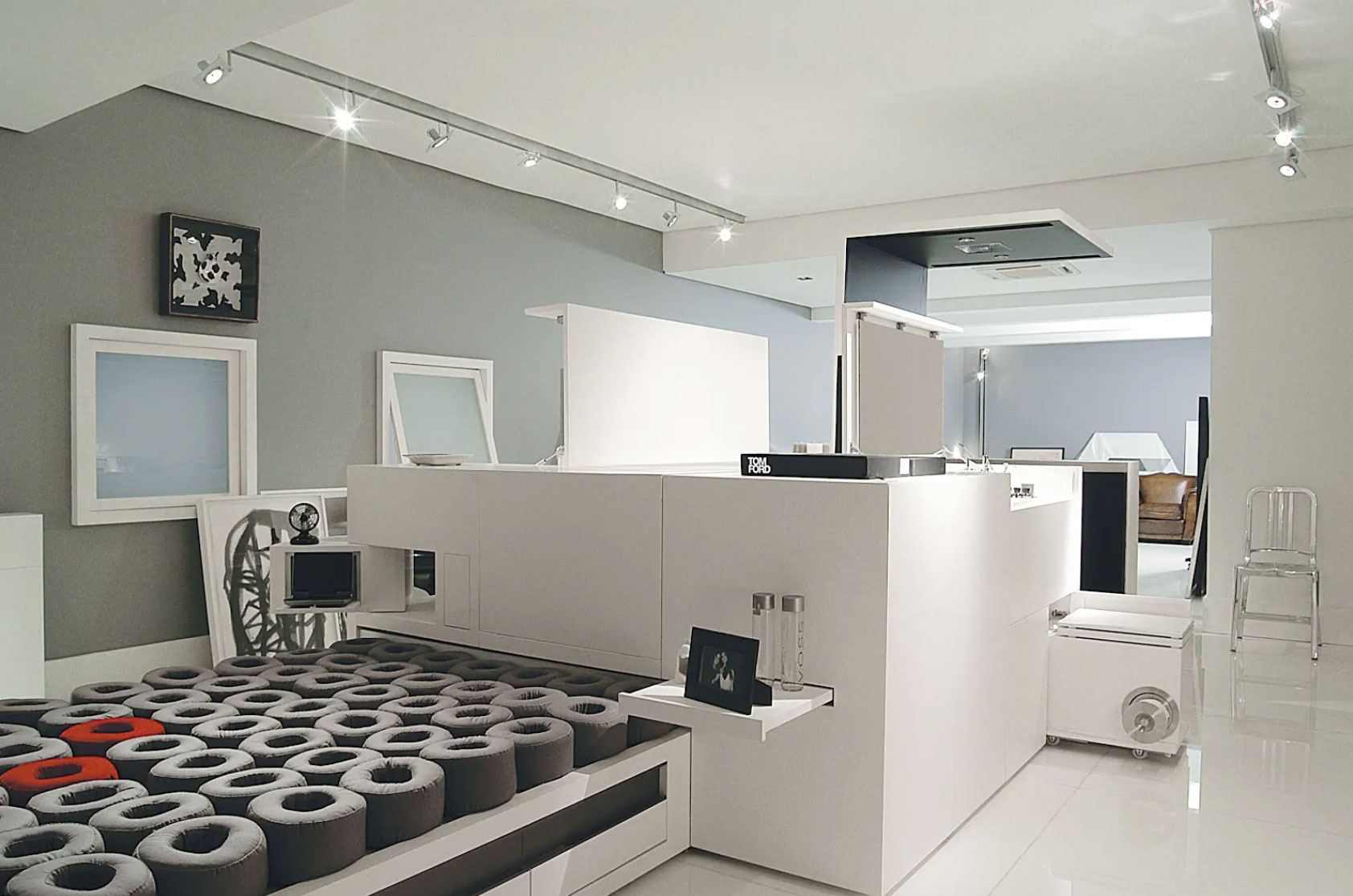
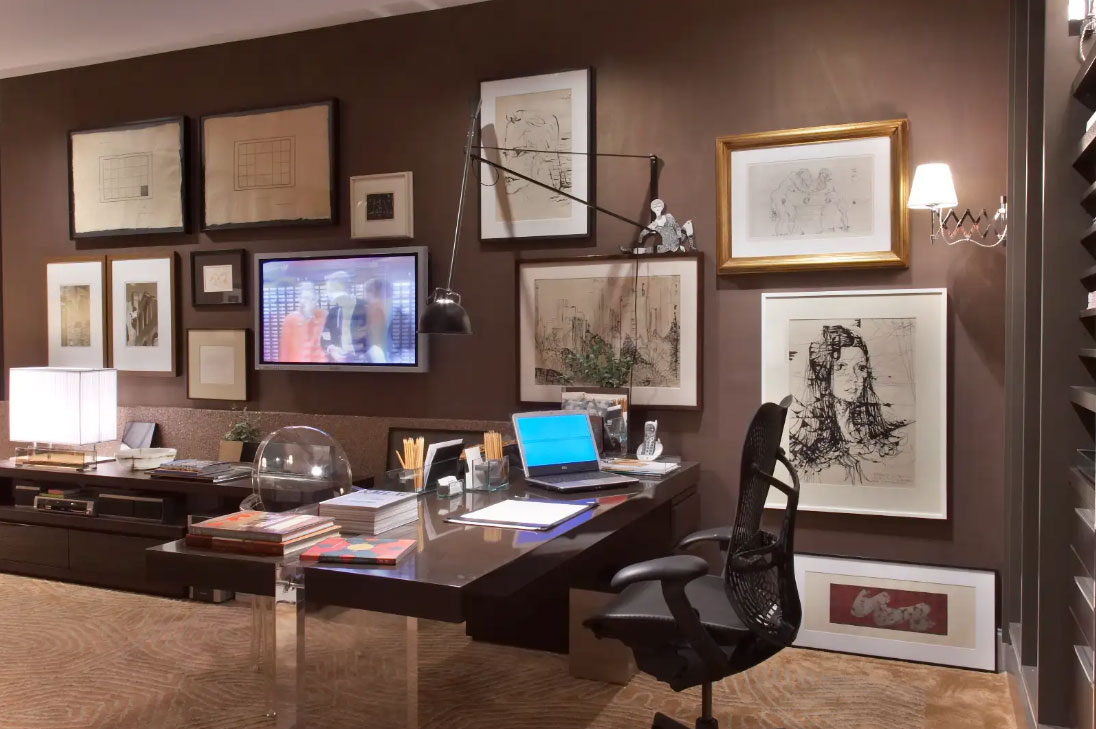
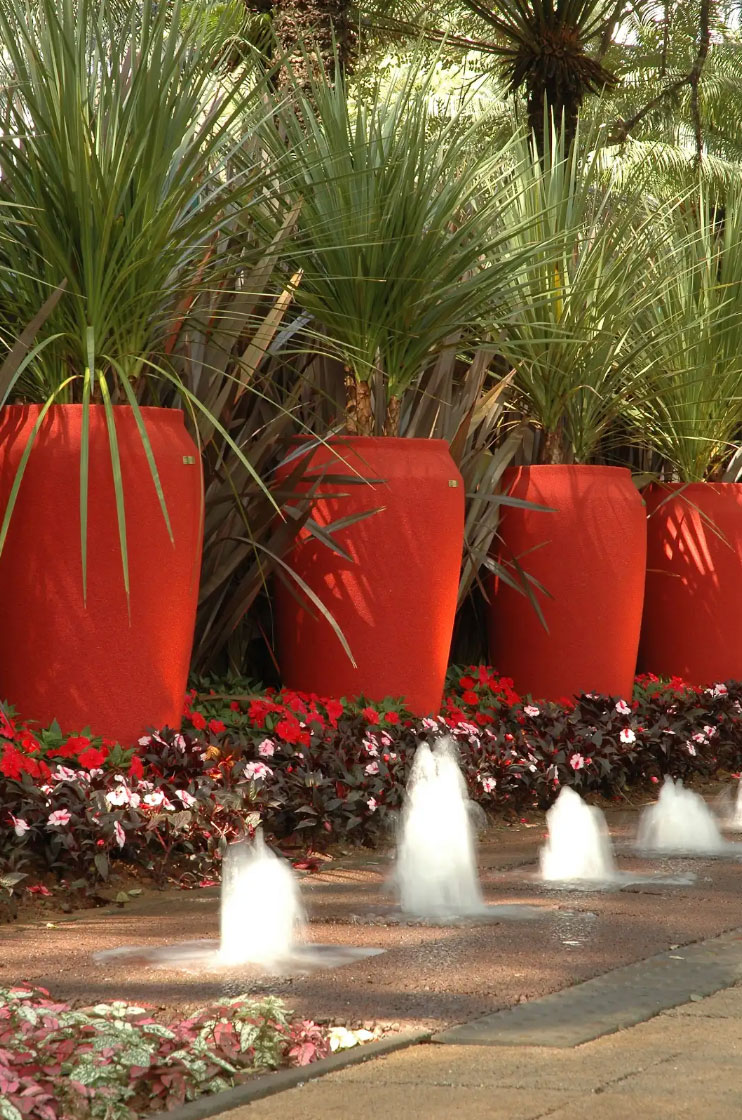
In Chácara Santo Antônio, four warehouses of a decommissioned chemical industry hosted the 19th edition of the São Paulo event. For the first time, three types of houses were built – urban, countryside, and beach. The site implementation project was led by architect Gustavo Horta and his team, occupying 65,000 square meters with accessibility measures in circulation areas, a reflection of the federal decree that called for the gradual adaptation of public-use buildings.
Right at the entrance, Ary Perez's gallery proposed a journey through the culture of the Amazon. Fernanda Marques' spa featured the Deca Square Ceiling Shower, designed to promote water conservation. Consuelo Jorge created a modern lounge for a gourmet space. In Minas Gerais, architect Carico's loft consisted of a pressed eucalyptus box – a quick, clean, and detachable construction system. In Bahia, Paulo Andrade and Paulo Melo brought the pool table to the center of the living room. In Paraná, Claudia Vialle Caramori and Katia Castanheira played with wooden structure volumes.
First time featuring three house typologies
Focus on sustainable solutions in environments
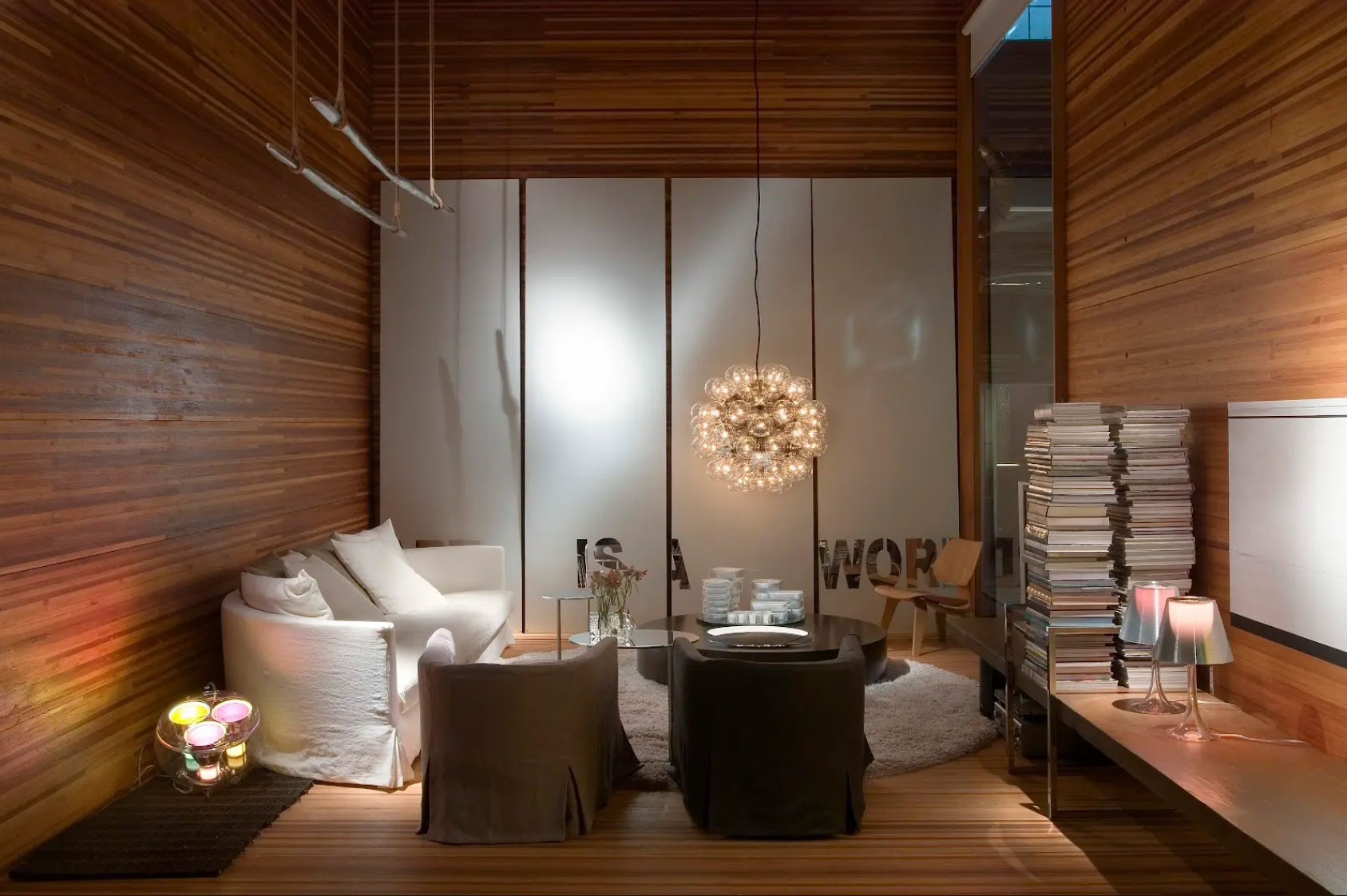
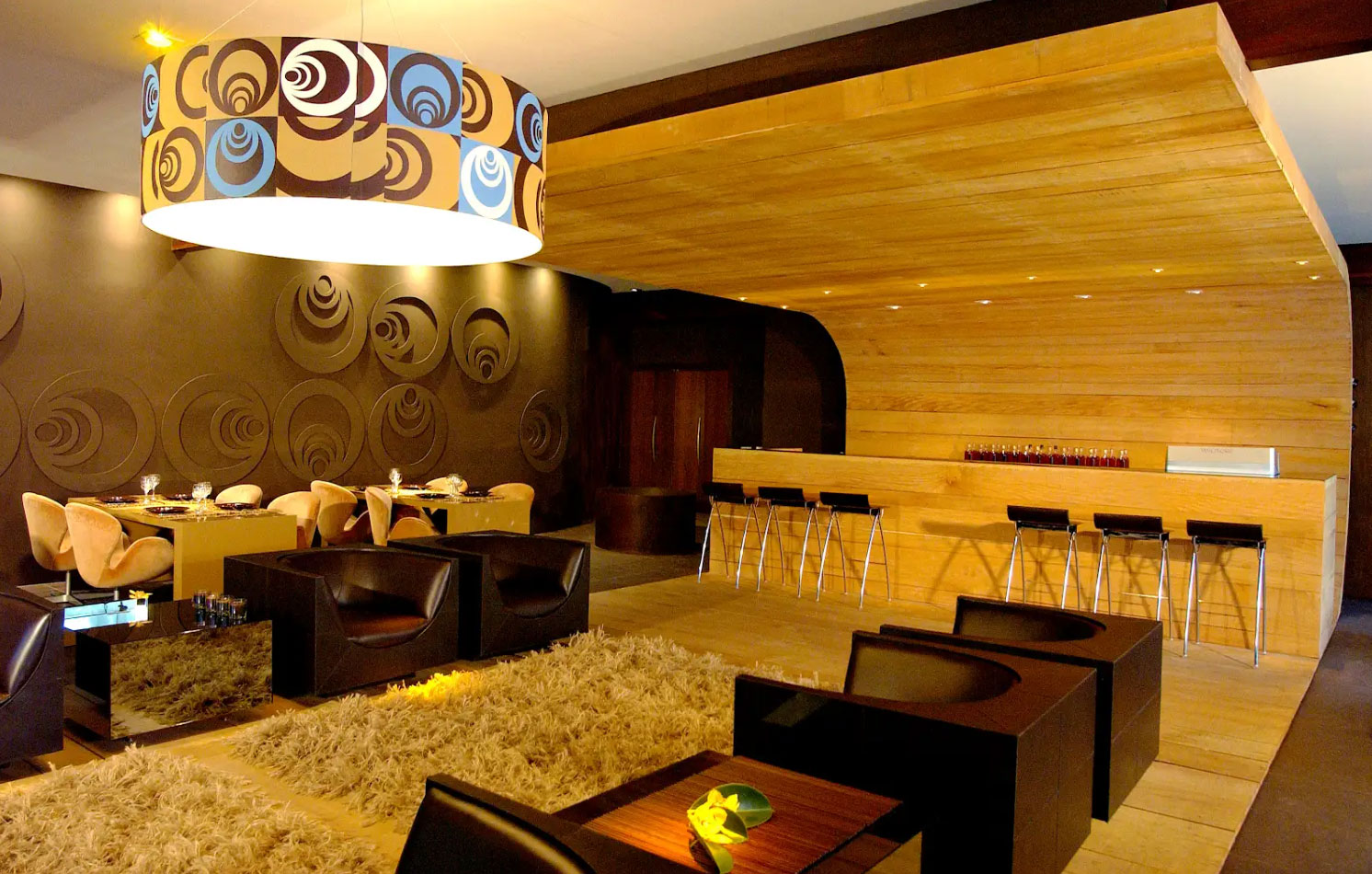
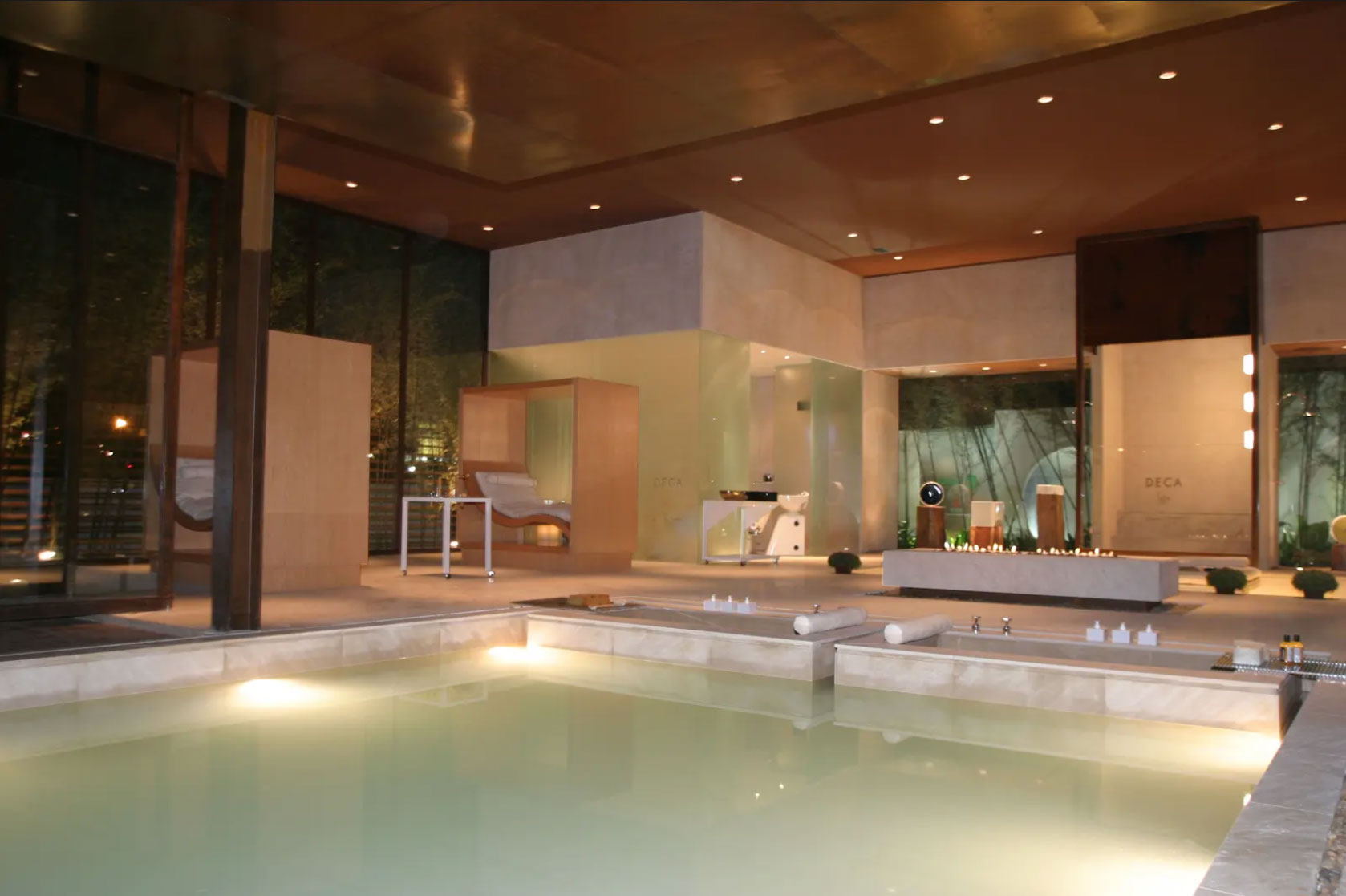
CASACOR São Paulo's coming of age was celebrated in a residence in Vila Andrade. On the banks of the Rio Pinheiros, the 1976 house was an authentic example of Tuscan architecture, with the striking presence of arches in the interiors and facades. The theme of well-being emerged strongly in João Armentano's spa, a motif that would accompany Deca's spaces for the next ten years.
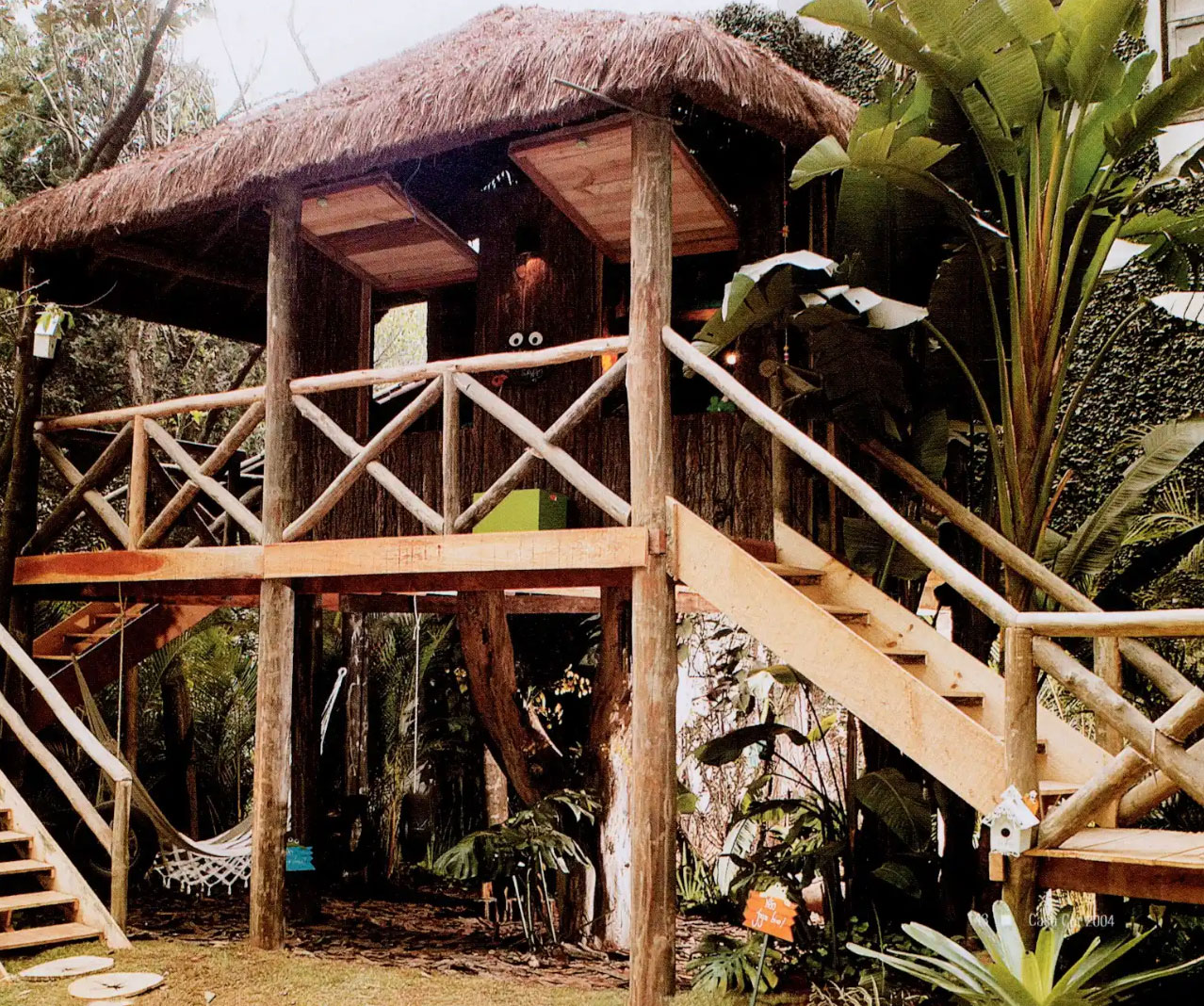
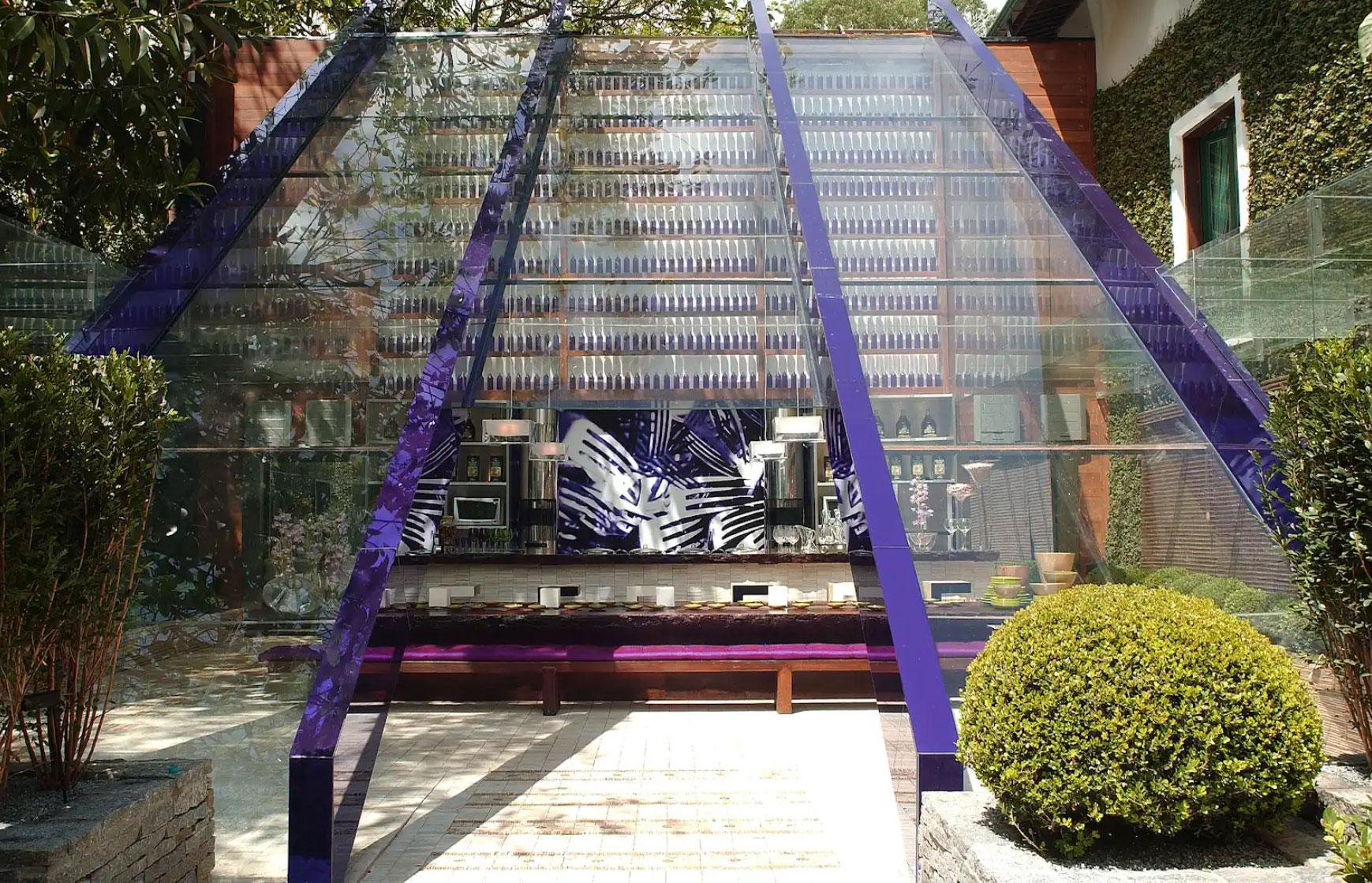
A fan of experimentation, Brunete Fraccaroli designed a glass roof, interspersed with purple acrylic beams, for the gourmet barbecue area. The futuristic look of the structure contrasted with the raw wood furniture chosen for the space. Kátia Perrone's treehouse was one of the many children's spaces in this edition – the show was imagined to accommodate a fictional family with five children.
In Rio de Janeiro, Chicô Gouvêa embraced Japonism, creating a lively veranda.
Well-being theme explored in projects
Highlight on childrens projects, such as the treehouse
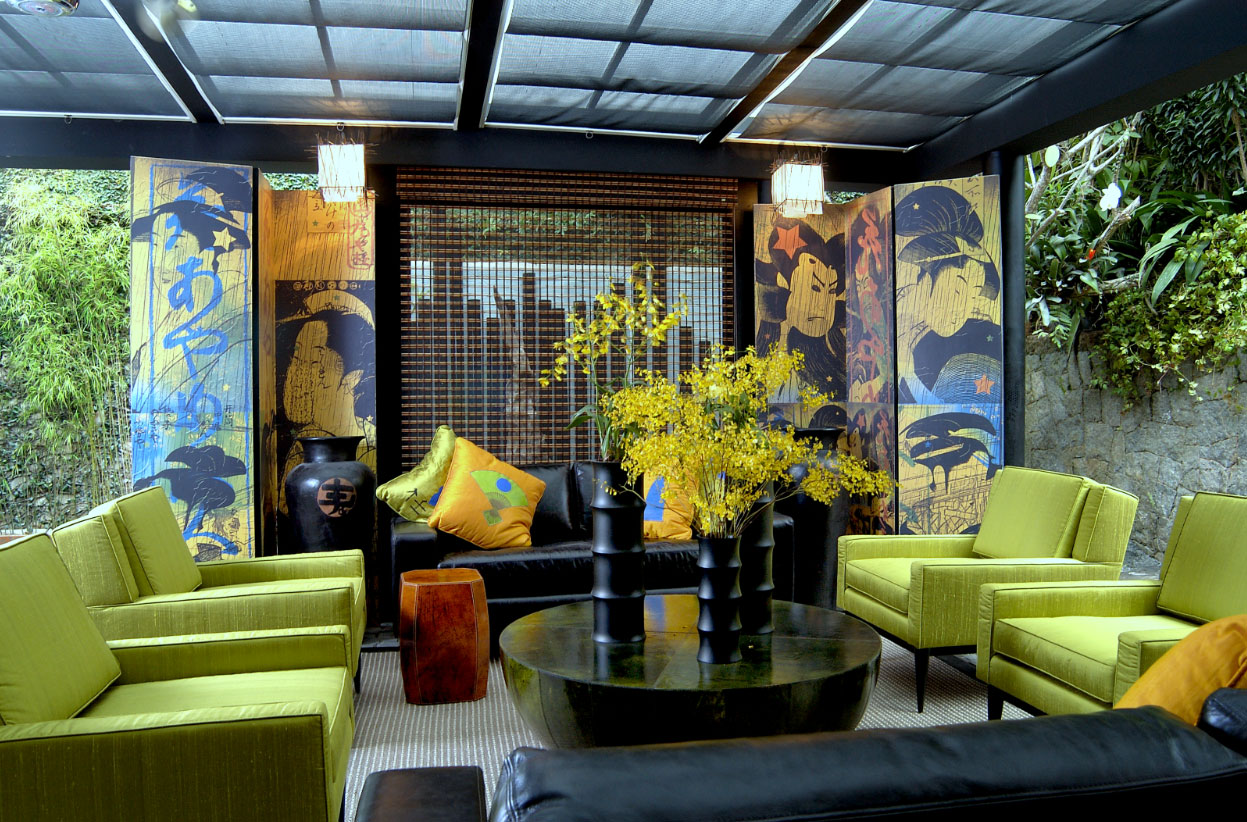
The listed building of the Maternity of the former Matarazzo Hospital, in Bela Vista, hosted the 17th edition of CASACOR São Paulo, which, for the first time, surpassed the 100,000 visitor mark. Oscar Mikail invited the duo OSGEMEOS, then unknown to the general public, to graffiti the ceiling of the living room.
Debora Aguiar brought racehorses to her mini-stable and Roberto Migotto placed the yellow sofa by designer Ron Arad in front of a beveled mirror screen. Alex Hanazaki designed the event’s square. Gui Mattos, Oscar Mikail, and Marcelo Rosenbaum amazed with their irreverent proposals.
In Bahia, the event took place in a large house on Ladeira da Montanha in Salvador. In Ceará, the show featured a folk art shop, created by Christianne Silton and Janete Costa, an architect who was an authority on the subject. CASACOR Rio de Janeiro built two houses in Itanhangá, with designs by Thiago Bernardes and Paulo Jacobsen, in a new condominium – both sold at the end of the event.
First time exceeding 100,000 visitors
Innovative spaces, such as OSGEMEOS’ graffiti ceiling
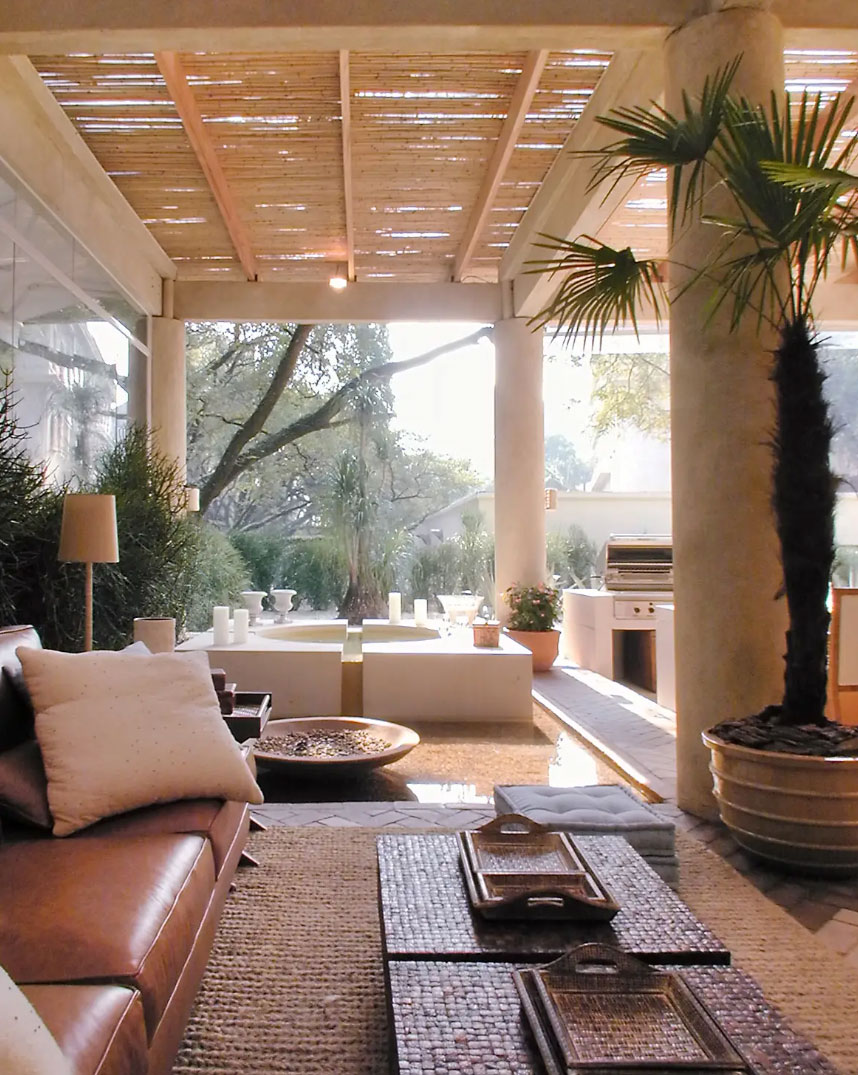
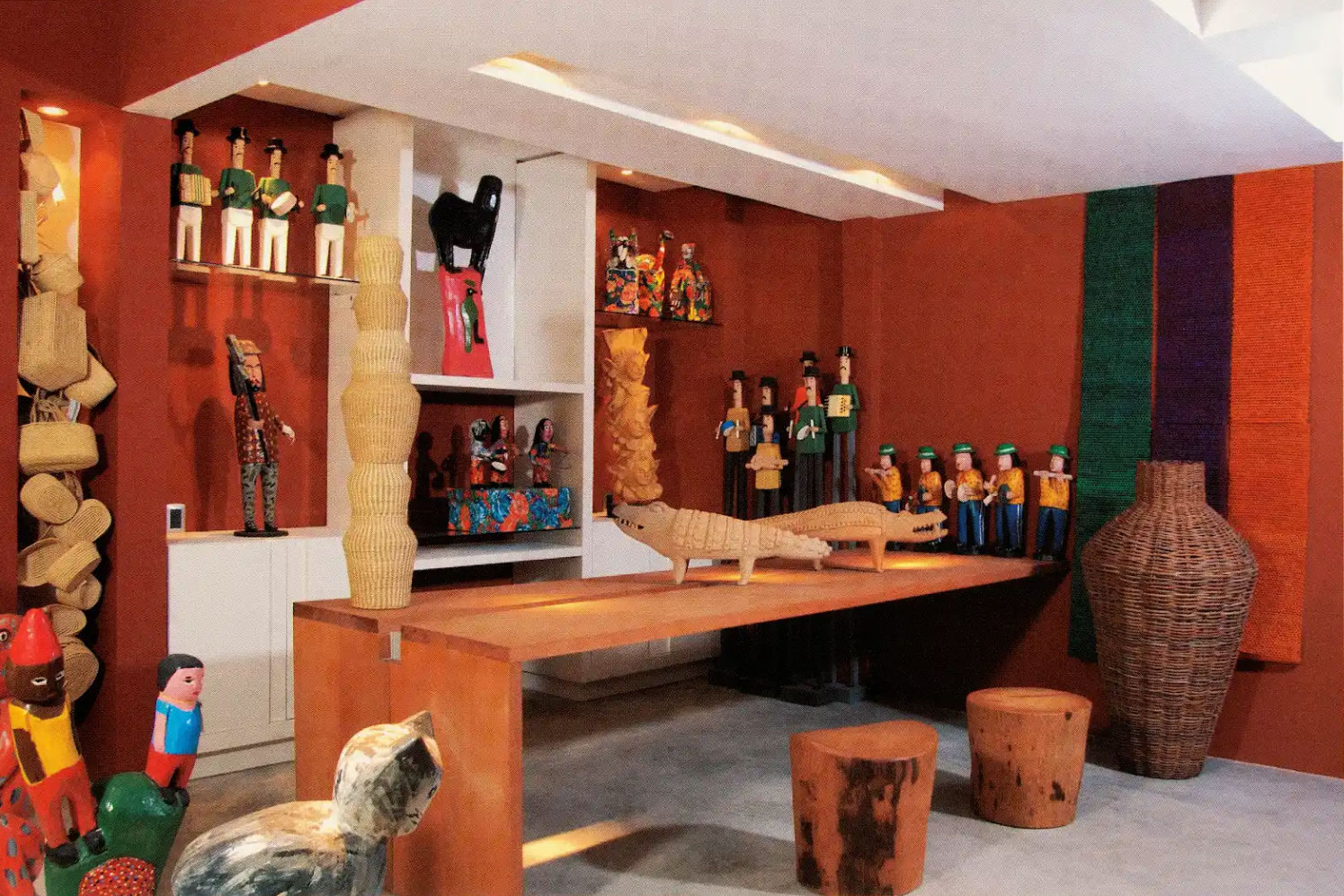
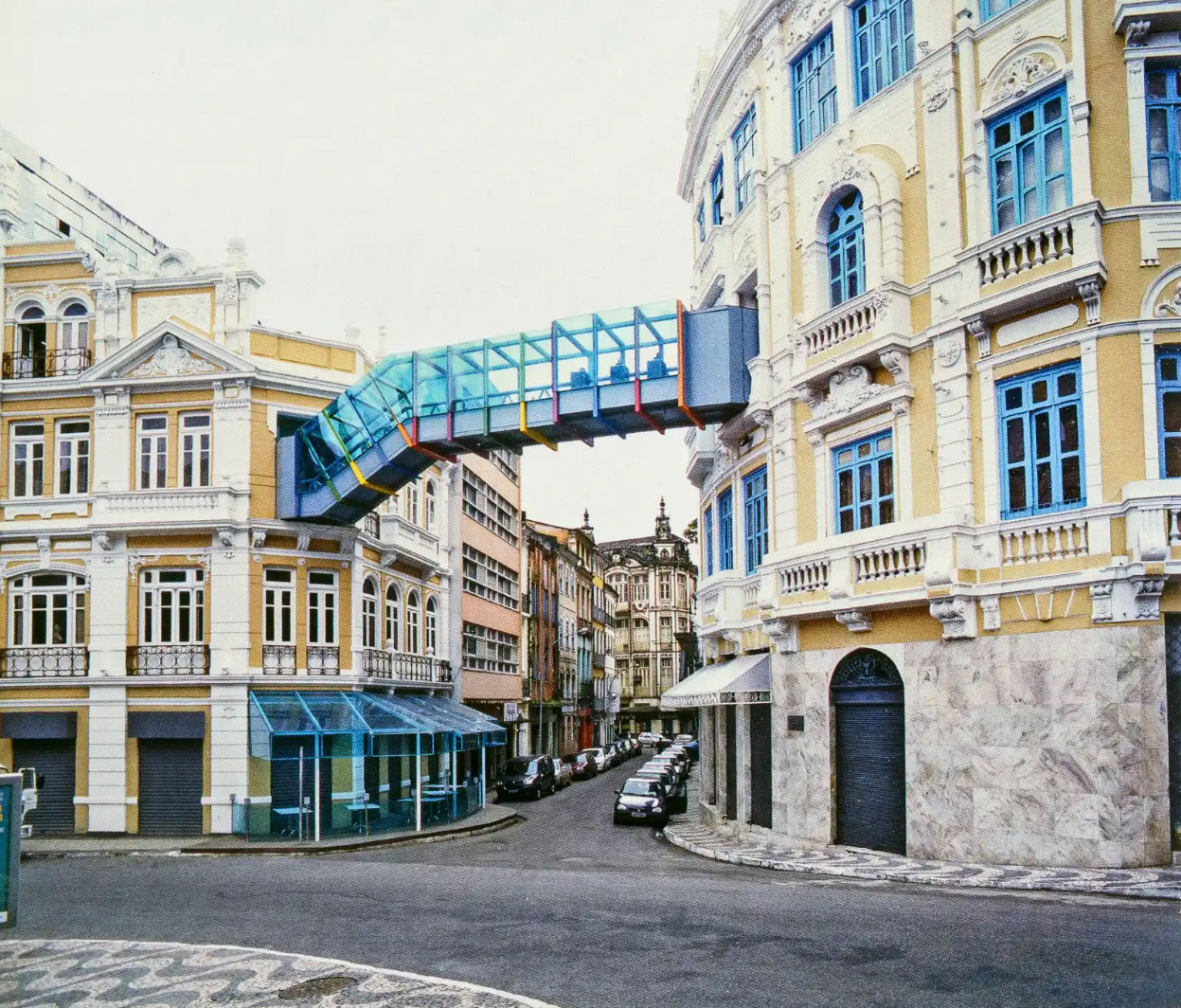
Once again, the choice of venue for the São Paulo exhibition was innovative: the Asilo Sampaio Viana, a project by Ramos de Azevedo from the early 20th century, in Pacaembu. It was from this edition that the exhibition embraced the purpose of engaging with the city's heritage – the place underwent a series of improvements, including the restoration of the wooden windows.
The building's spacious areas hosted projects by Gilberto Elkis (in the outdoor area), David Bastos (who used low furniture, which was trendy in Italian design at the time), and newcomers such as Marina Linhares (author of the glassed gazebo) and Alex Hanazaki, responsible for the entrance garden.
CASACOR Rio de Janeiro, on the other hand, was held in a house designed by Oscar Niemeyer in 1952, showcasing elegant spaces such as the living room designed by Lia Siqueira.
Connection with historical heritage
Appreciation of modernist architecture
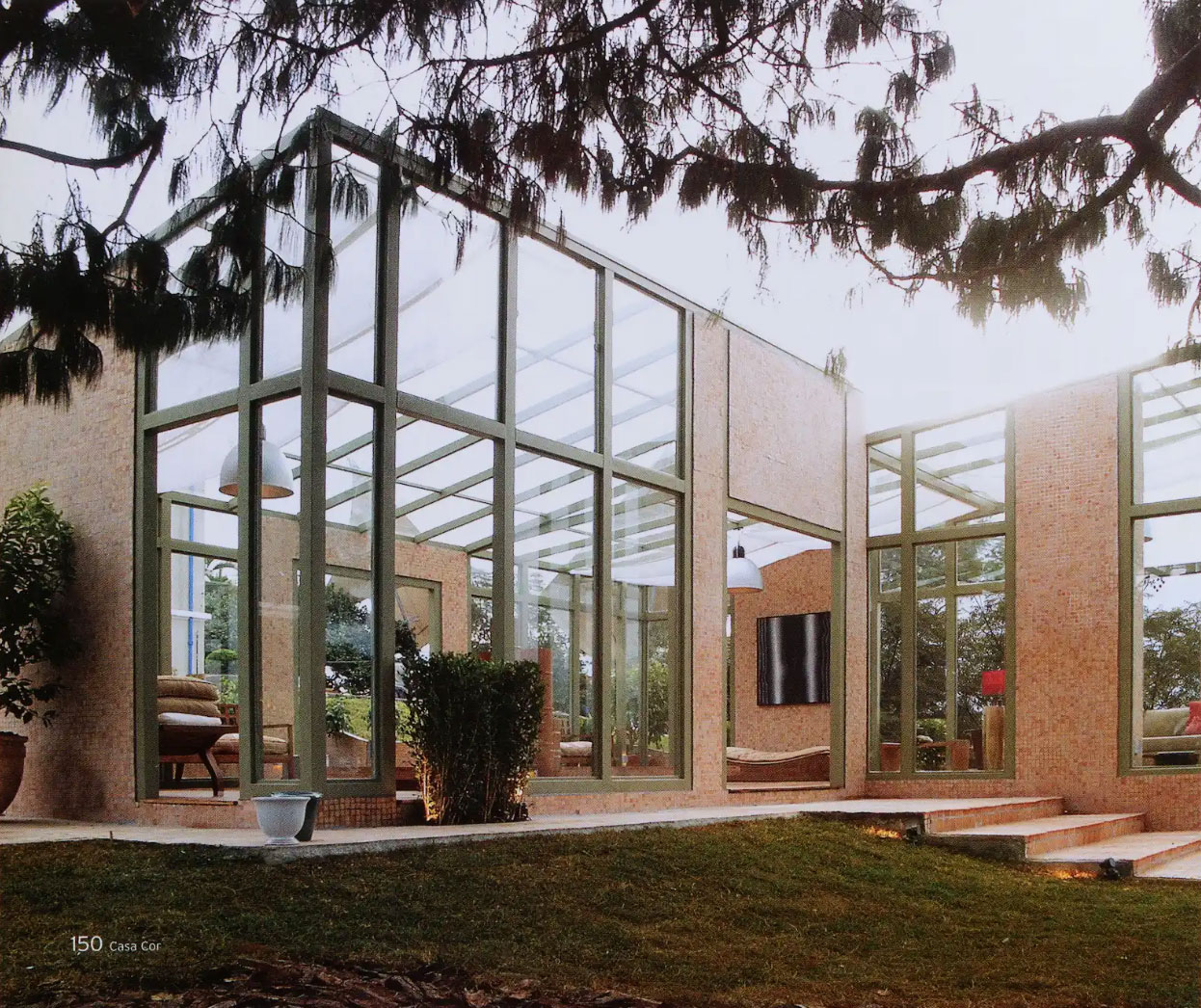
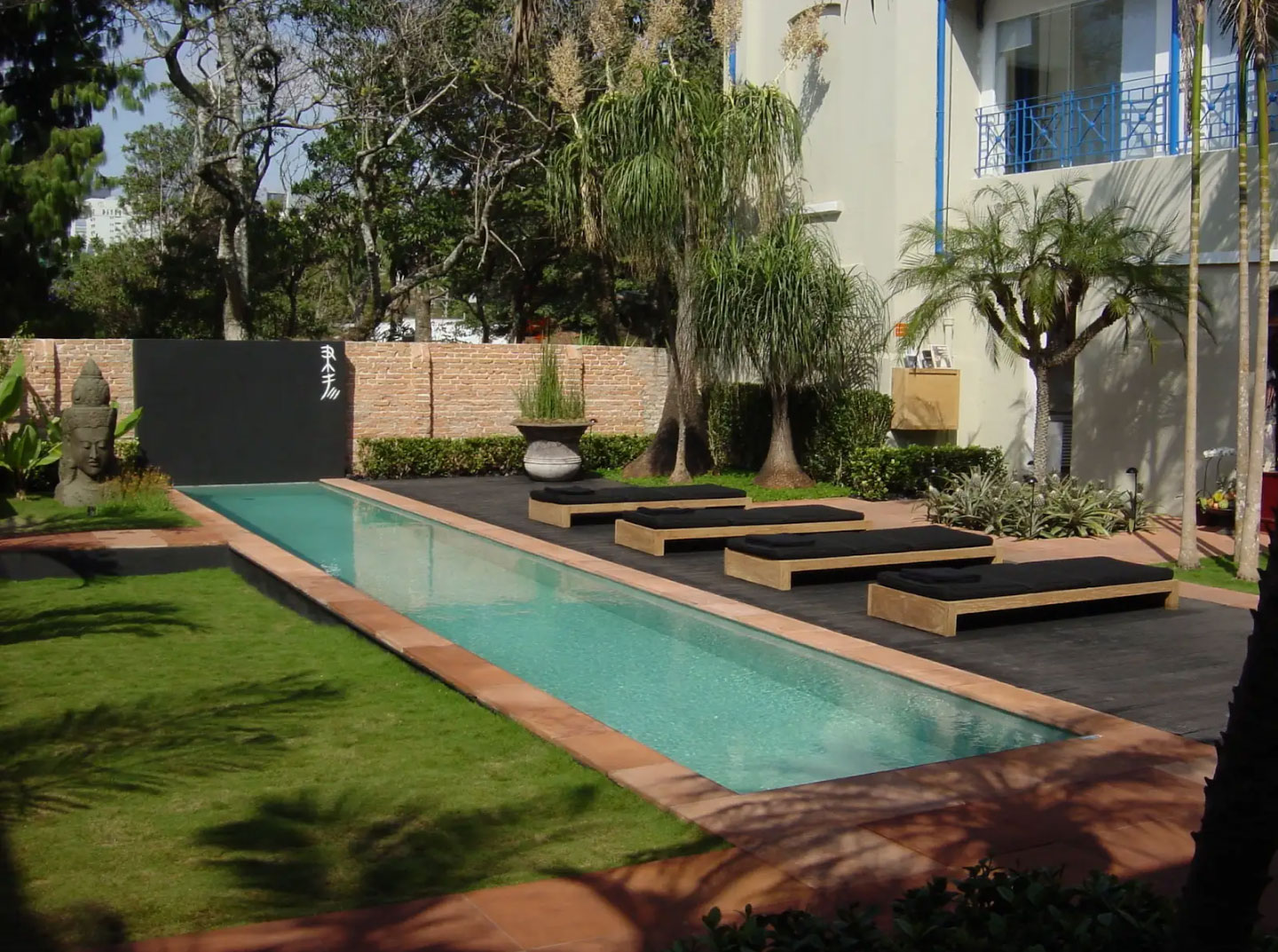
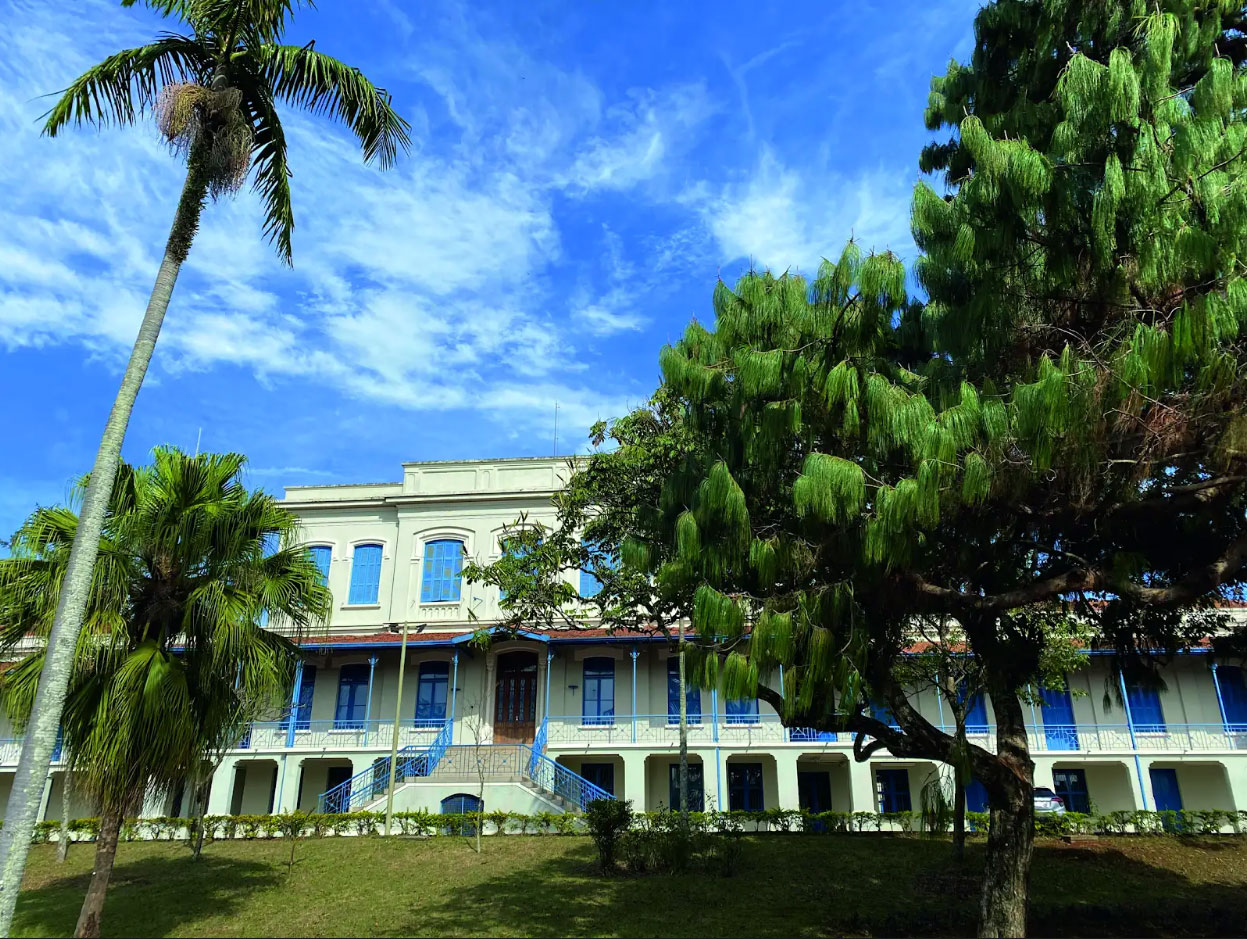
CASACOR was sold to the Patrimônio Private Equity Group and came under the leadership of executive Roberto Dimberio, formerly the director of the Casa division at Editora Abril. The exhibition returned to a classic architectural house, this time in the Cidade Jardim neighborhood.
Highlights of this edition included the entrance hall, designed by Alberto Lahós and Marco do Carmo, who adopted symmetry as a guiding principle; the dining area with a glass floor by Leo Shehtman; and the living room by Arthur Casas, who placed the sculptural chair by artisan Fernando Rodrigues from Ilha do Ferro on equal footing with pieces of international design.
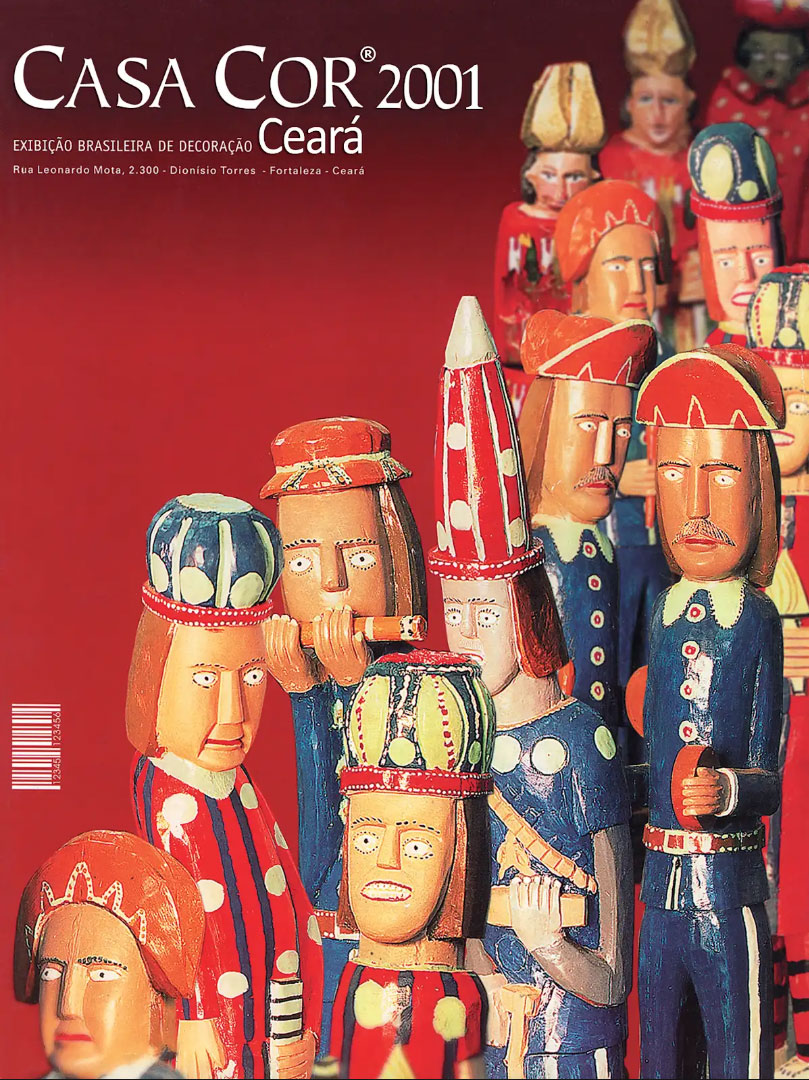
Popular art also shone on the cover of the Ceará yearbook.
New management under Grupo Patrimônio Private Equity
Appreciation of folk art in the environments
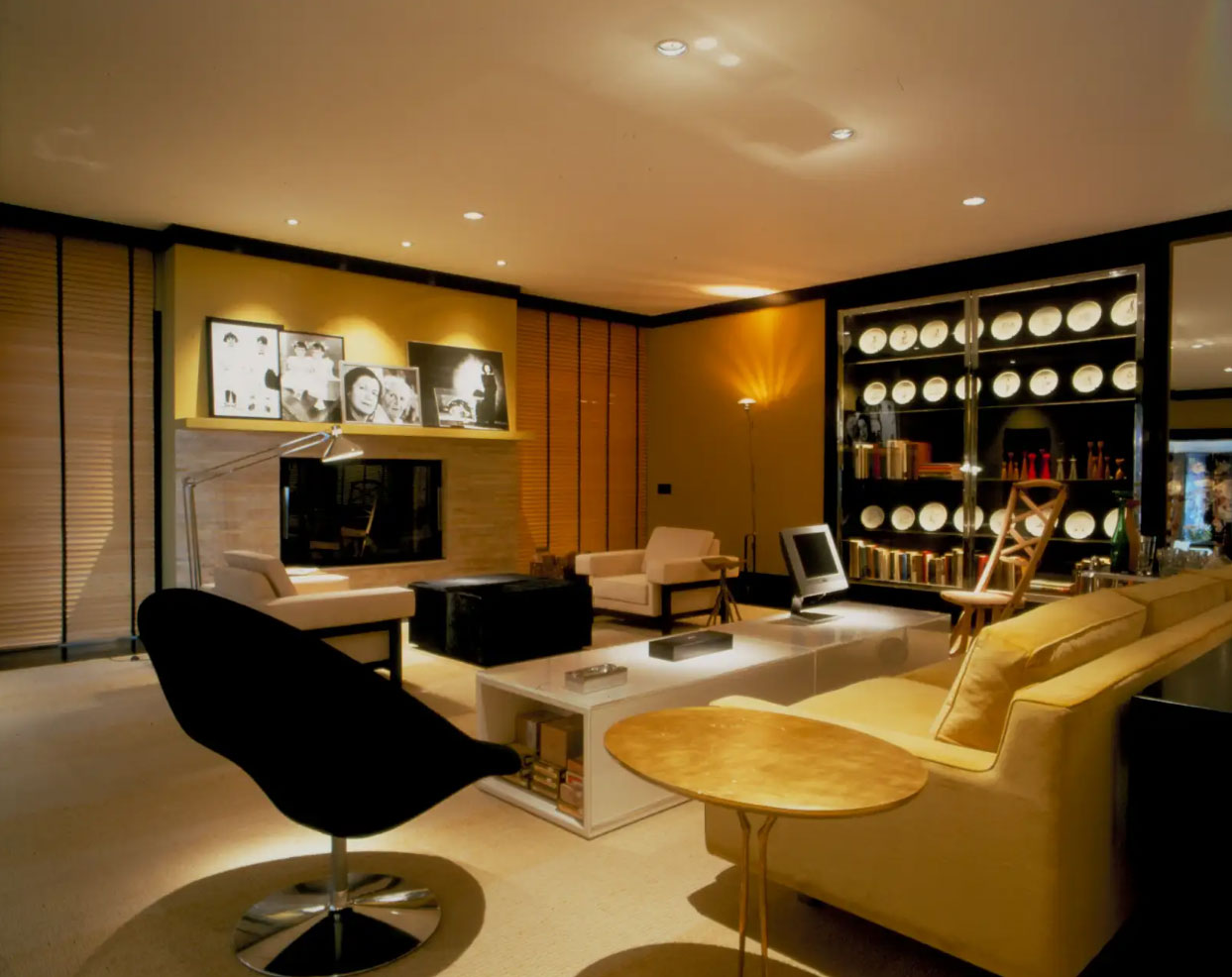
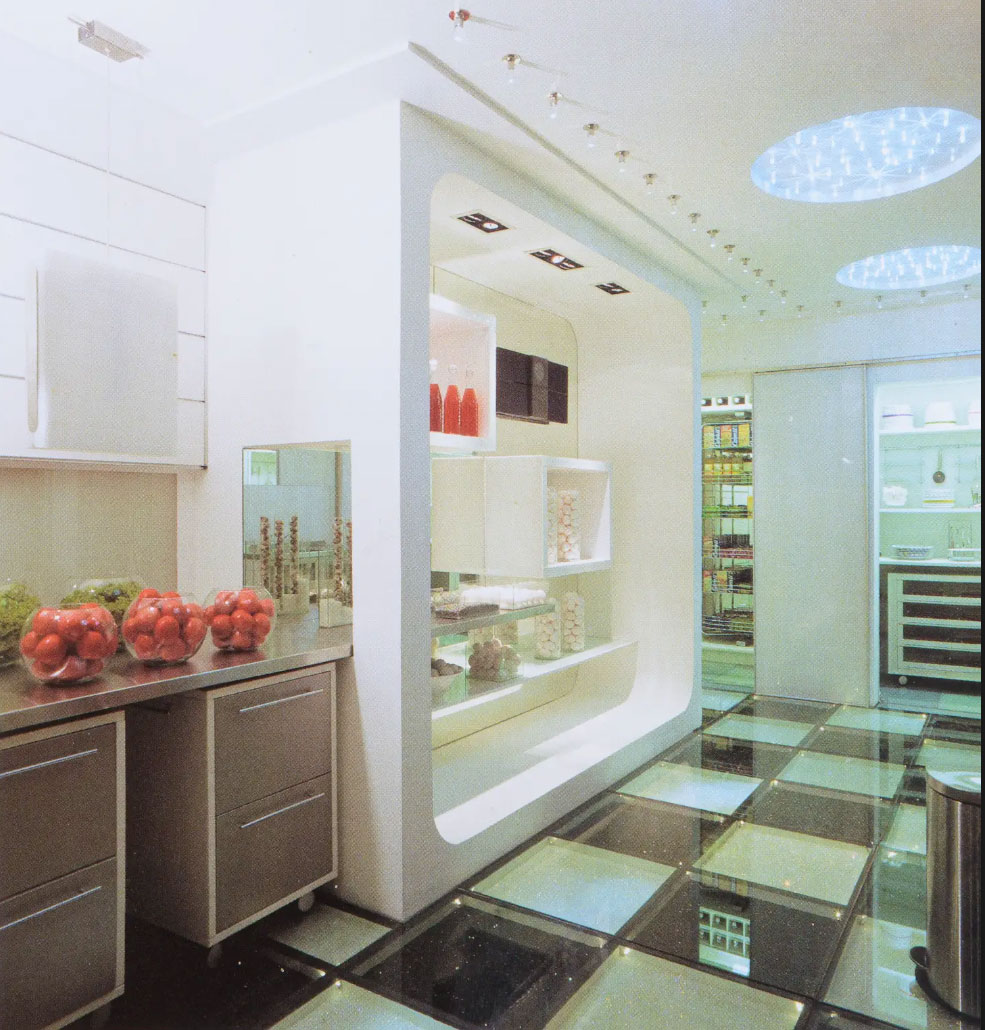
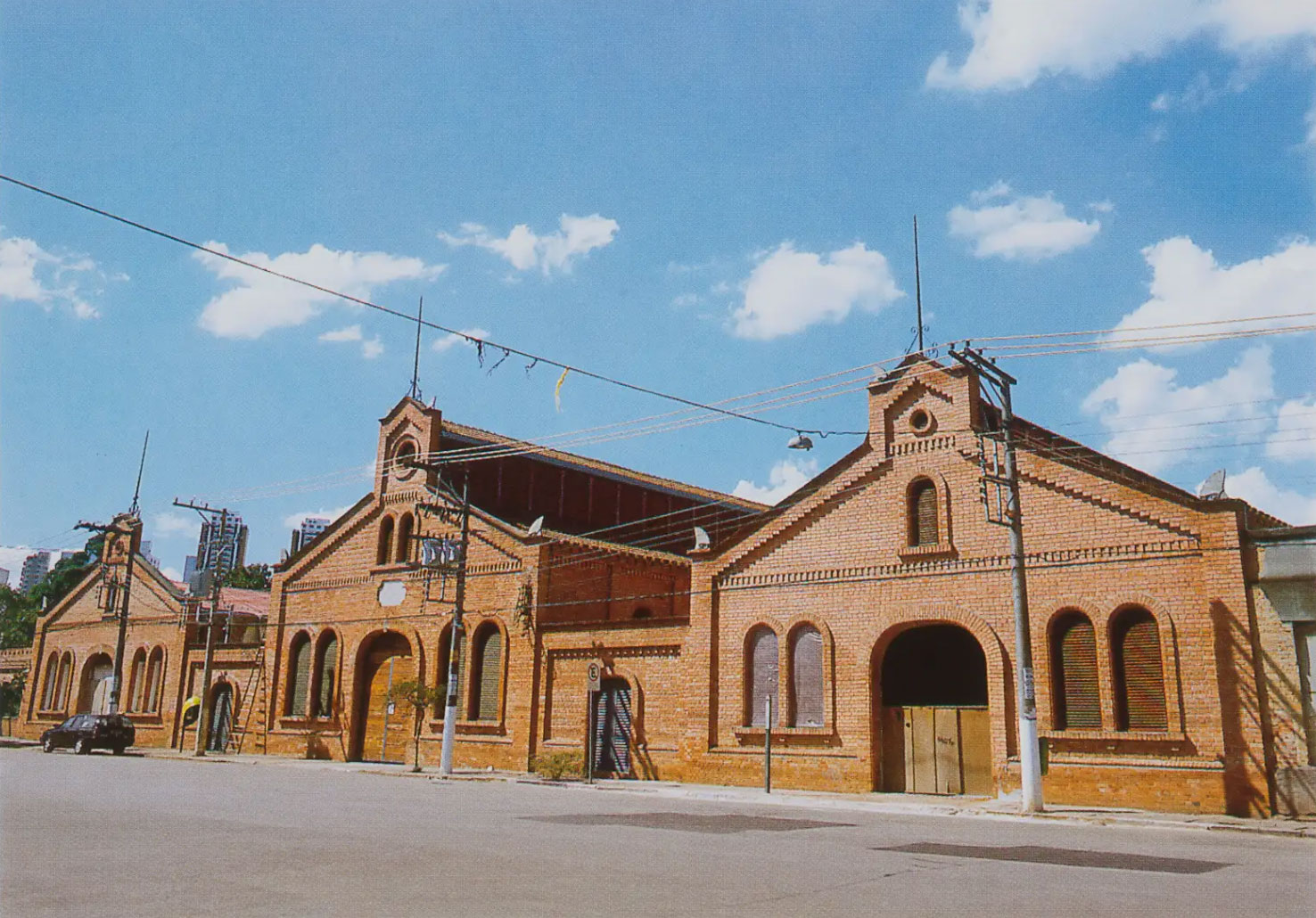
It was the first time that CASACOR São Paulo took place in a historical and listed building—the Cinemateca Brasileira, located in Vila Mariana. The implementation work was overseen by one of the authors of the restoration project, architect Lucio Gomes de Machado.
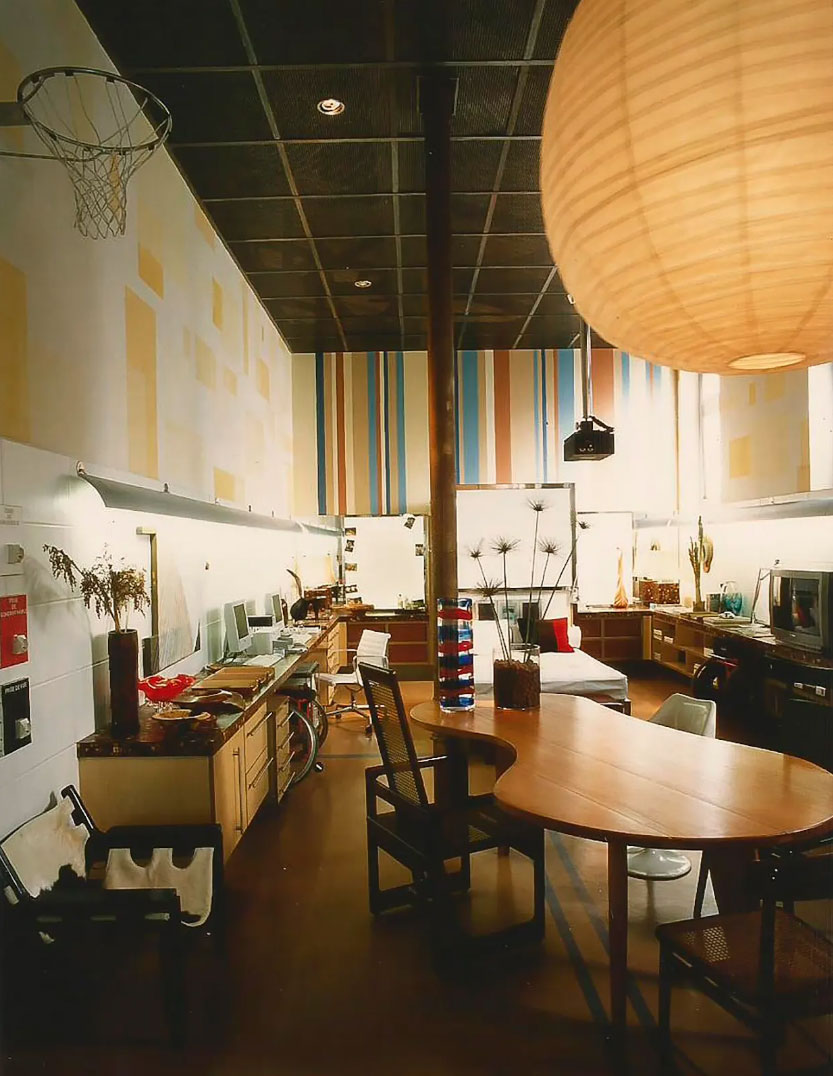
The professionals of the event were tasked with creating lofts in the construction’s warehouses. Arthur Casas designed the Art Collector’s Loft, and Clarisse Reade envisioned a journalist, full of books and a cinema fan, to inhabit her space.
Luiz Ricardo Bick and William Simonato gave a classic aura to the Loft Gallery. Ana Helena and Tusco Brant Carvalho used wooden slats to filter light in their glass-walled environment.
The Jardim das Ruínas, by Gilberto Elkis; the Loft for People with Disabilities, by Sig Bergamin; and the Loft for the Advertiser, by Fernanda Marques and Sandra Picciotto, were also praised by the audience.
In the new millennium, CASACOR continued its expansion with a franchise in Mato Grosso, debuting the show in Cuiabá.
First occupation of a historic landmark
Debut of the franchise in Mato Grosso
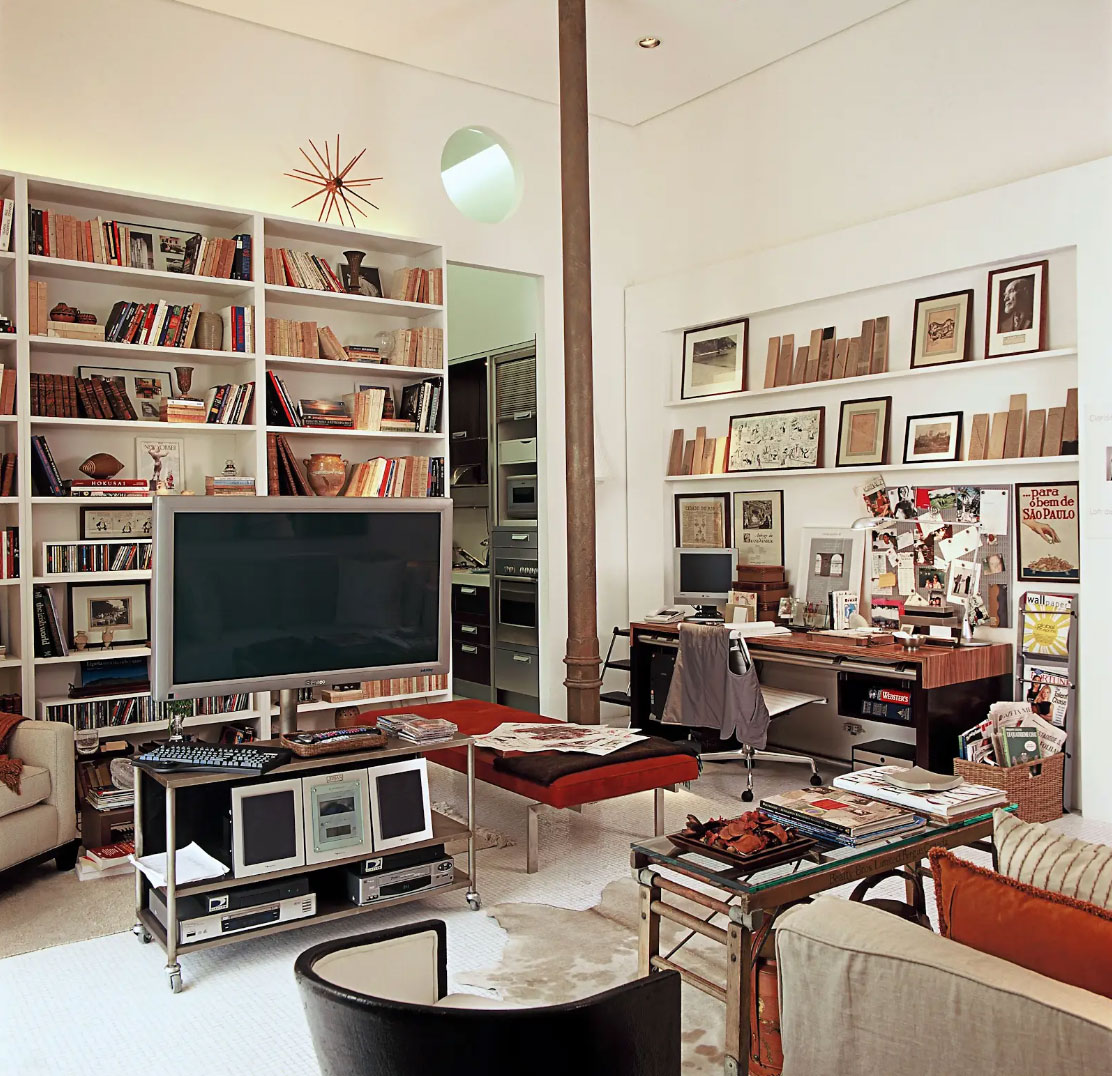
CASACOR São Paulo took place on Suécia Street, in Jardim Europa, in a modernist house built by Gregori Warchavchik in the early 1950s.
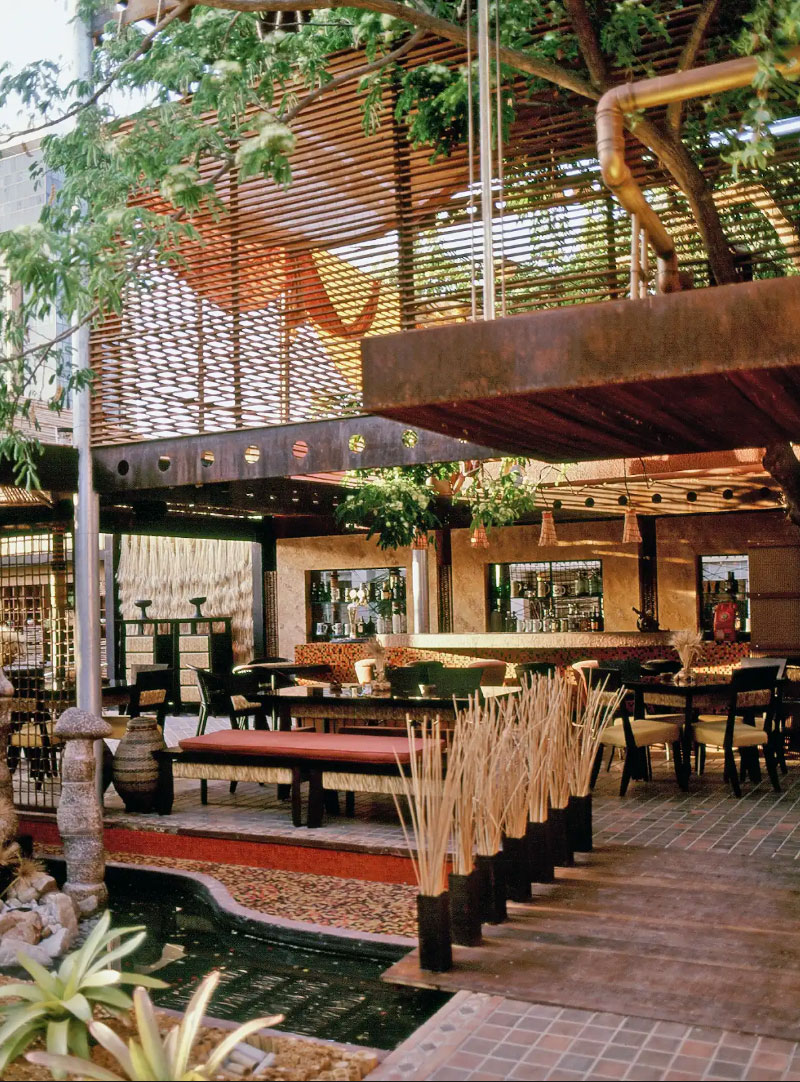
Among the standout spaces was the Deca Space, designed by Brunete Fraccaroli. The large garden of the property allowed the architect to build a glass pavilion amidst the greenery to house the environment.
During the project's development, Brunete noticed the absence of a wall-mounted bathroom faucet. The product did not exist in Brazil—such mixers were limited to kitchens.
Deca agreed to create the piece, and thus, the Duna Clássica faucet was born, still nicknamed “Brunete spout” within the company.
Continuing the expansion plan, another franchise was inaugurated in the Northeast, in Ceará, featuring the presence of Xuxa Meneghel at the opening. She was honored in the space created by Sergei de Castro, for which the presenter sent costumes and personal items.
Marcus Novais designed the brewery for the exhibition.
Debut of the franchise in Ceará
Deca Space by Brunete Fraccaroli
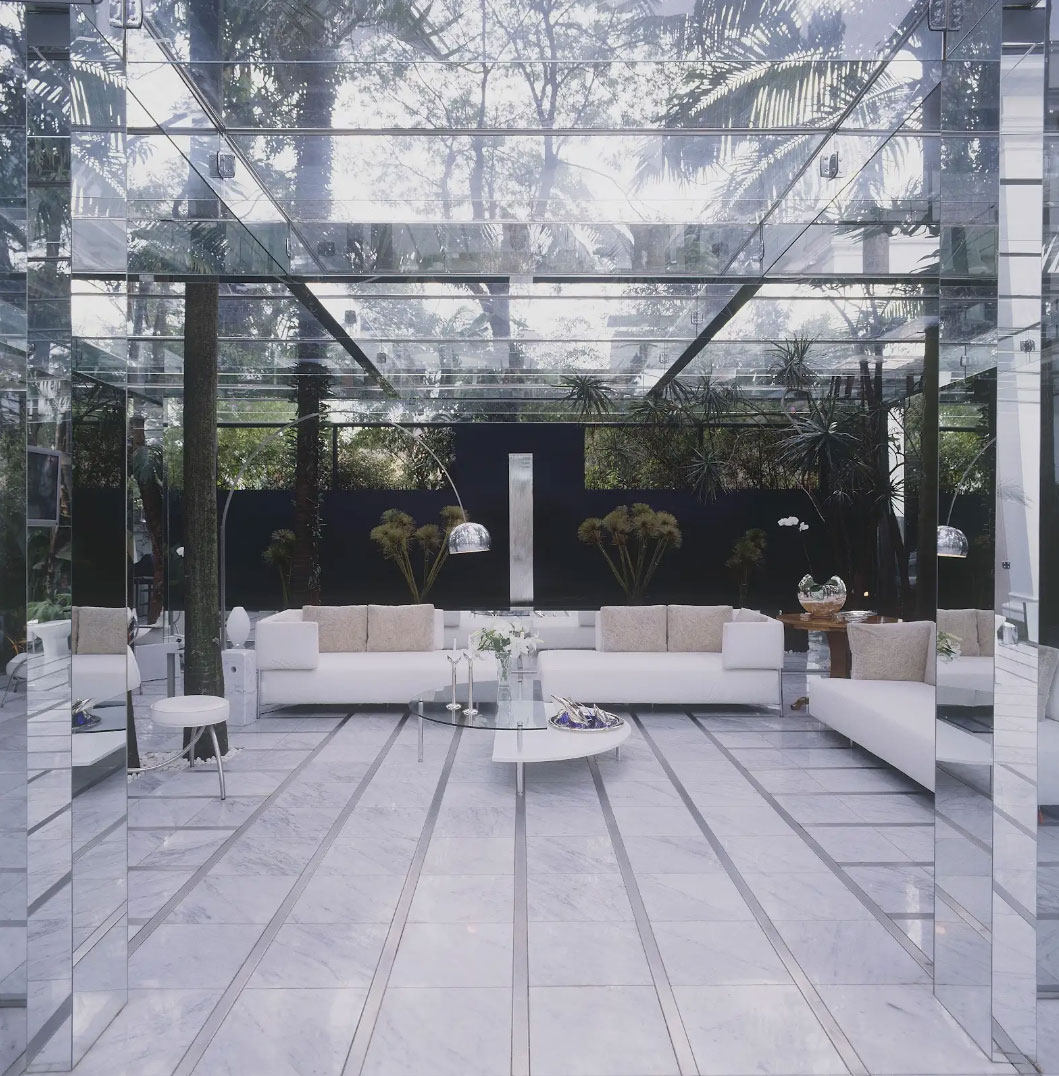
The mansion of Vera Racy Maluf, built in the late 1930s by modernist architect Alfredo Ernesto Becker, hosted the exhibition on Av. Brasil, in Jardim América.
João Mansur designed a living room blending classic and contemporary elements. Rosa May Sampaio combined white, glass, and light wood in the kitchen, while Dado Castello Branco created a study corner on the boy's balcony.
That same year, in partnership with a real estate developer, CASACOR Rio de Janeiro was set up in a condominium club—a major novelty at the time—in Barra da Tijuca, attracting 52,000 visitors, the largest audience in the franchise’s history.
Maurício Nóbrega designed the pool area, while Cristina Brasil took care of the laundry room in one of the four decorated apartments.
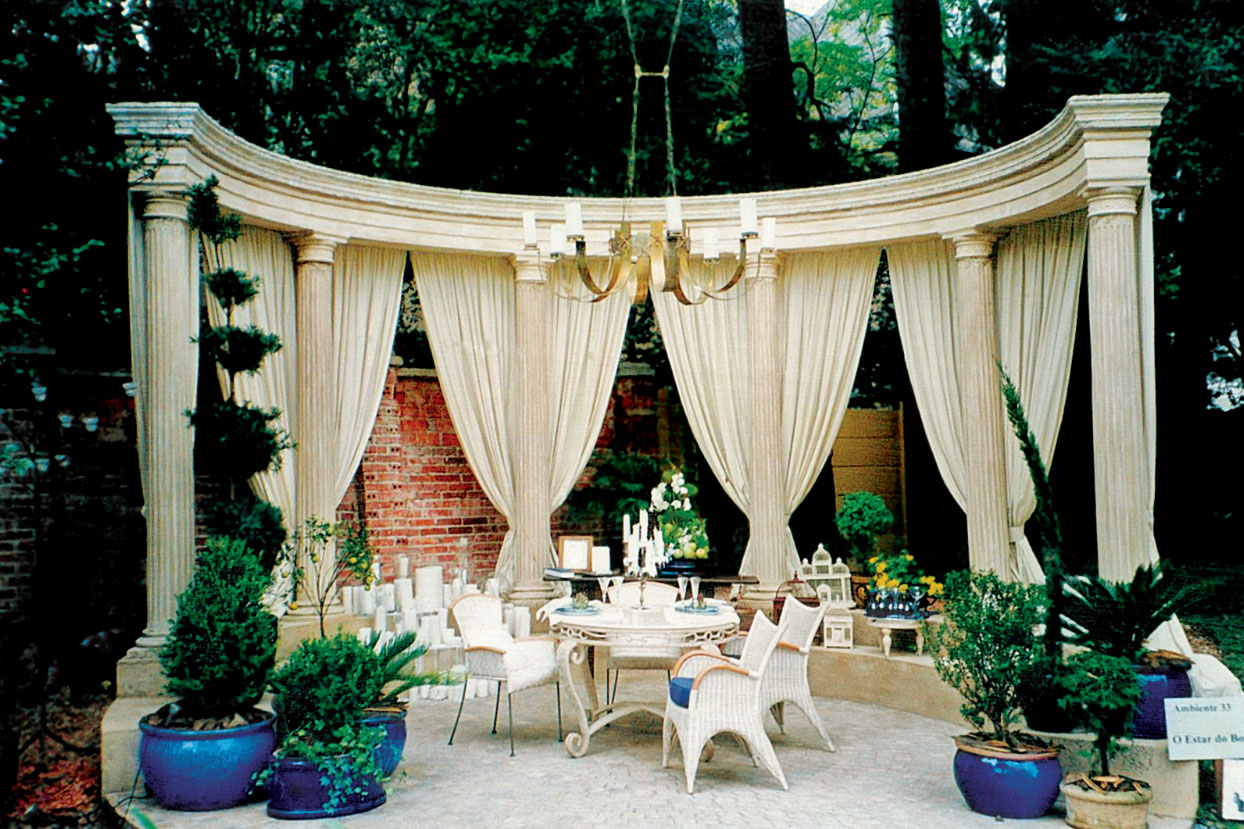
In Goiás, Genésio Maranhão introduced the trend of gourmet spaces. In Paraná, Marcos Soares evoked ancient Greece in the "Estar do Bosque."
Largest audience of the franchise in Rio: 52,000 visitors
Sophisticated and innovative environments
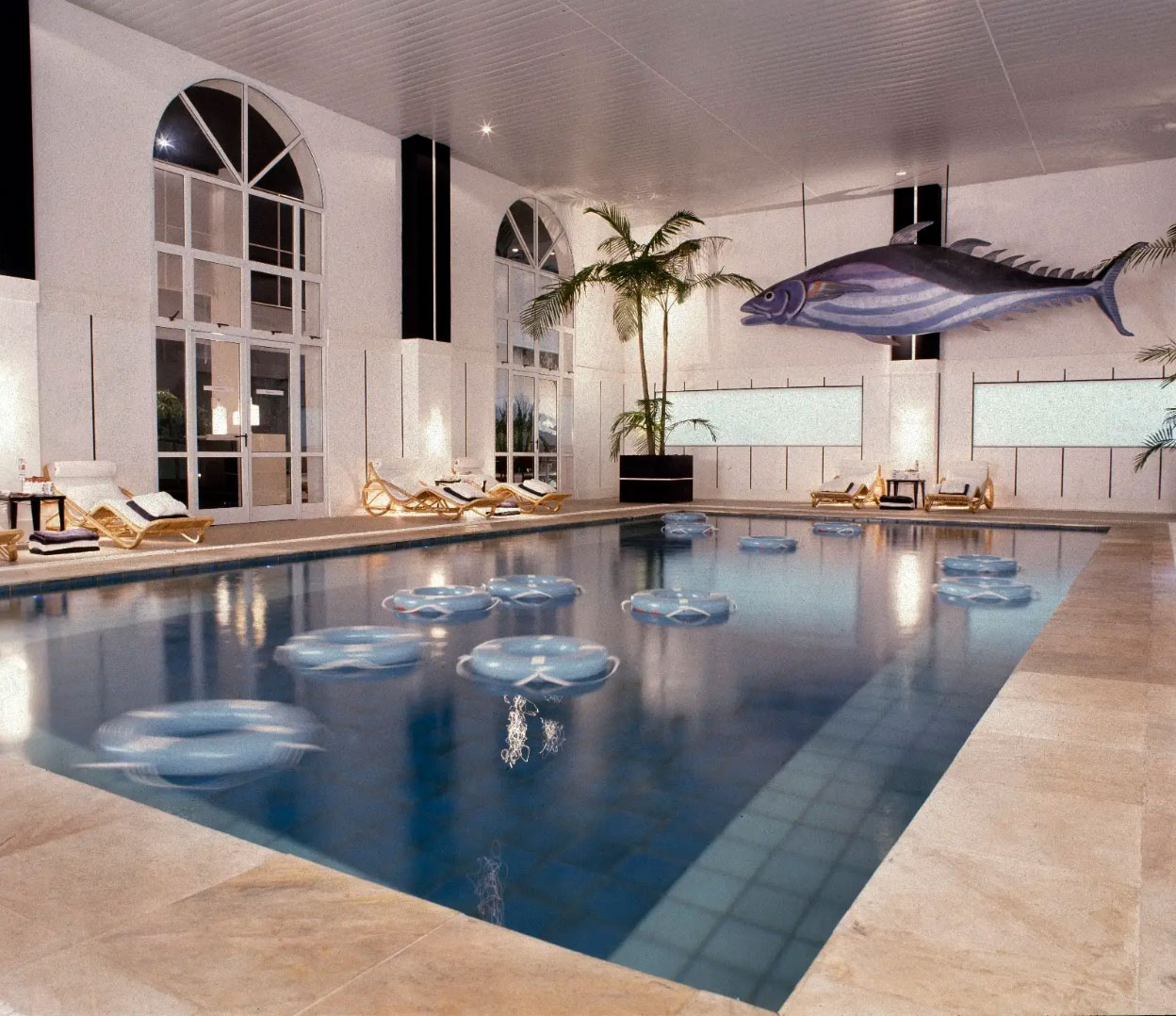
Once again held in Morumbi, CASACOR São Paulo featured a richly carved Balinese gazebo designed by Esther Giobbi.
Asian style was at its peak, and, in addition, Brazil was experiencing a boom in imports due to the parity between the real and the dollar.
National design also had its moment, with Carolina Szabó incorporating the Jung chaise, a new release by designer Etel Carmona, into her space.
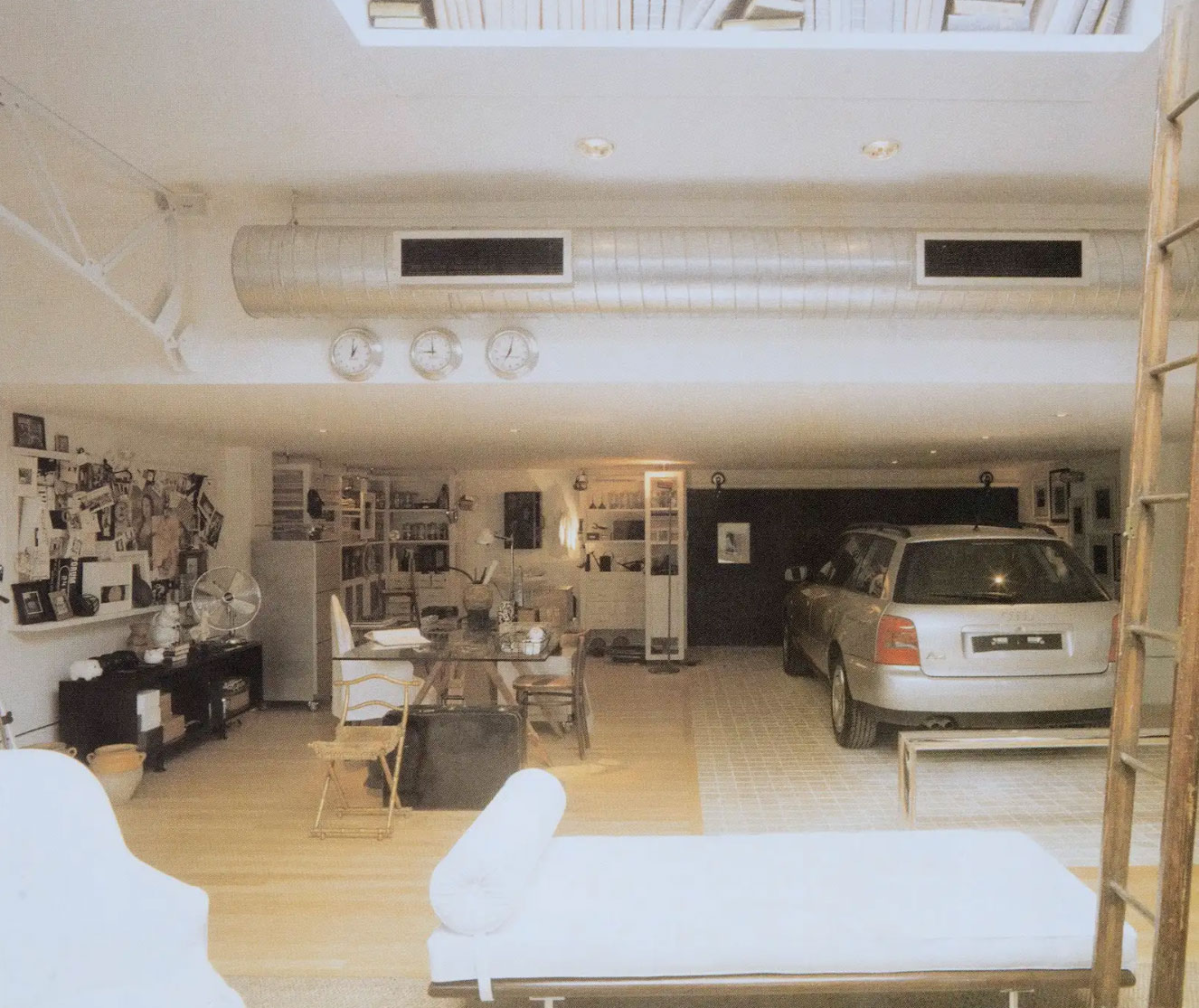
João Armentano transformed the garage into a place to enjoy family time and hobbies.
That year, CASACOR Goiás and CASACOR Pernambuco were held – the latter featuring architect Carlos Augusto Lira, one of the country's greatest collectors of folk art.
It was also the first time that Punta del Este, in Uruguay, hosted the exhibition, from December 1997 to February 1998, with the participation of several Brazilian professionals.
Debut in Punta del Este, Uruguay
Esther Giobbi’s Balinese gazebo
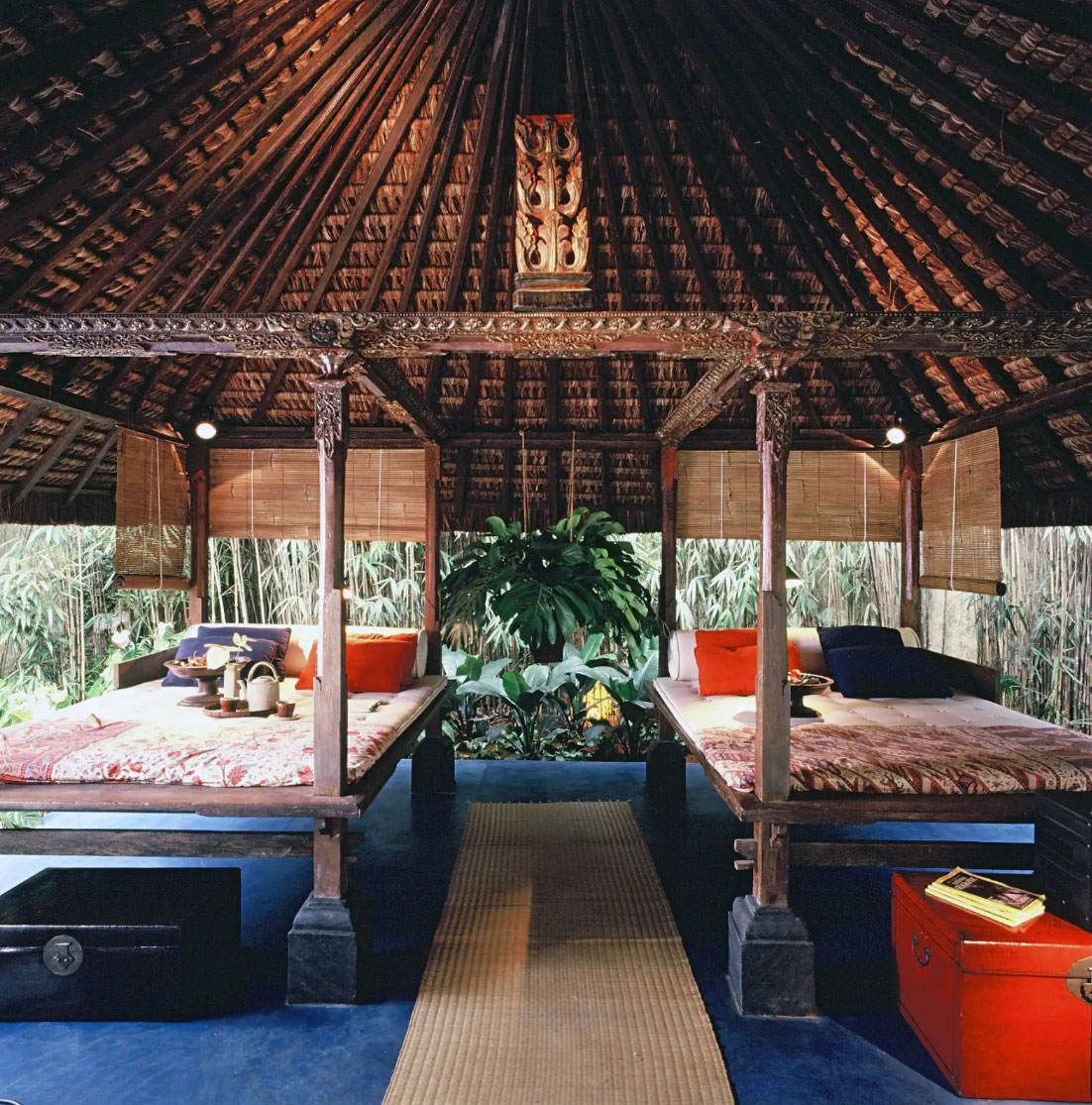
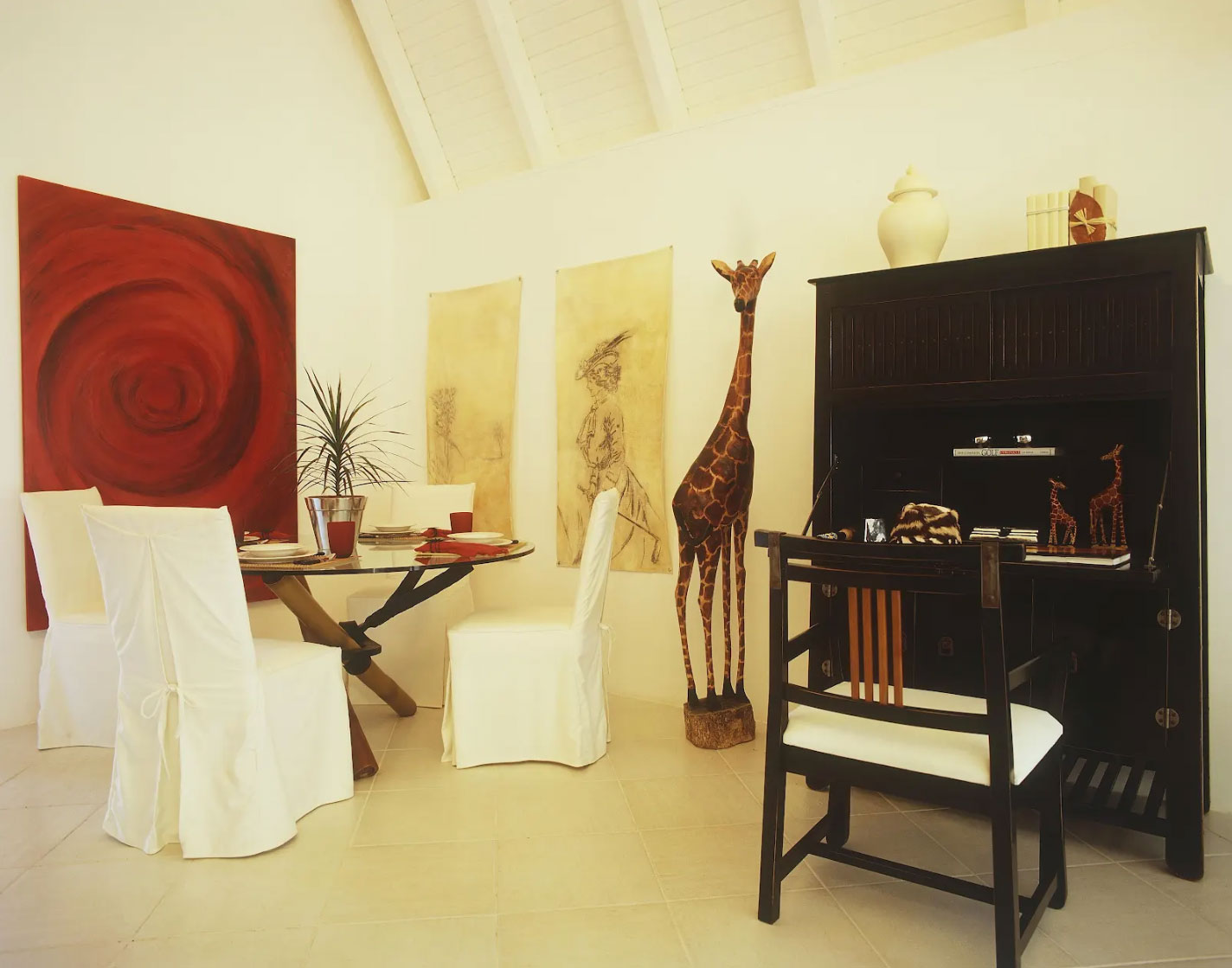
Celebrating ten years of the brand, CASACOR continued its expansion throughout Brazil and South America.
It inaugurated franchises in Espírito Santo and Santa Catarina, as well as its first international exhibition, CASACOR Peru, in Lima.
In São Paulo, the event returned to Morumbi, occupying a 7,000-square-meter plot with two residences.
Sig Bergamin designed the living room, covering the space with a large organic-patterned rug.
Kiko Salomão lined the closet walls with stitched leather panels.
Marília Campos Veiga and Teresinha Nigri Basiches designed a sliding door with exposed pulleys, a trend at the time, for the kitchen cabinet.
Roberto Negrete included a coffee counter in the pantry, and Leo Shehtman used a fully mirrored piece of furniture with raffia stools in his maximalist-style bar.
10 years of CASACOR
First international franchise: Peru
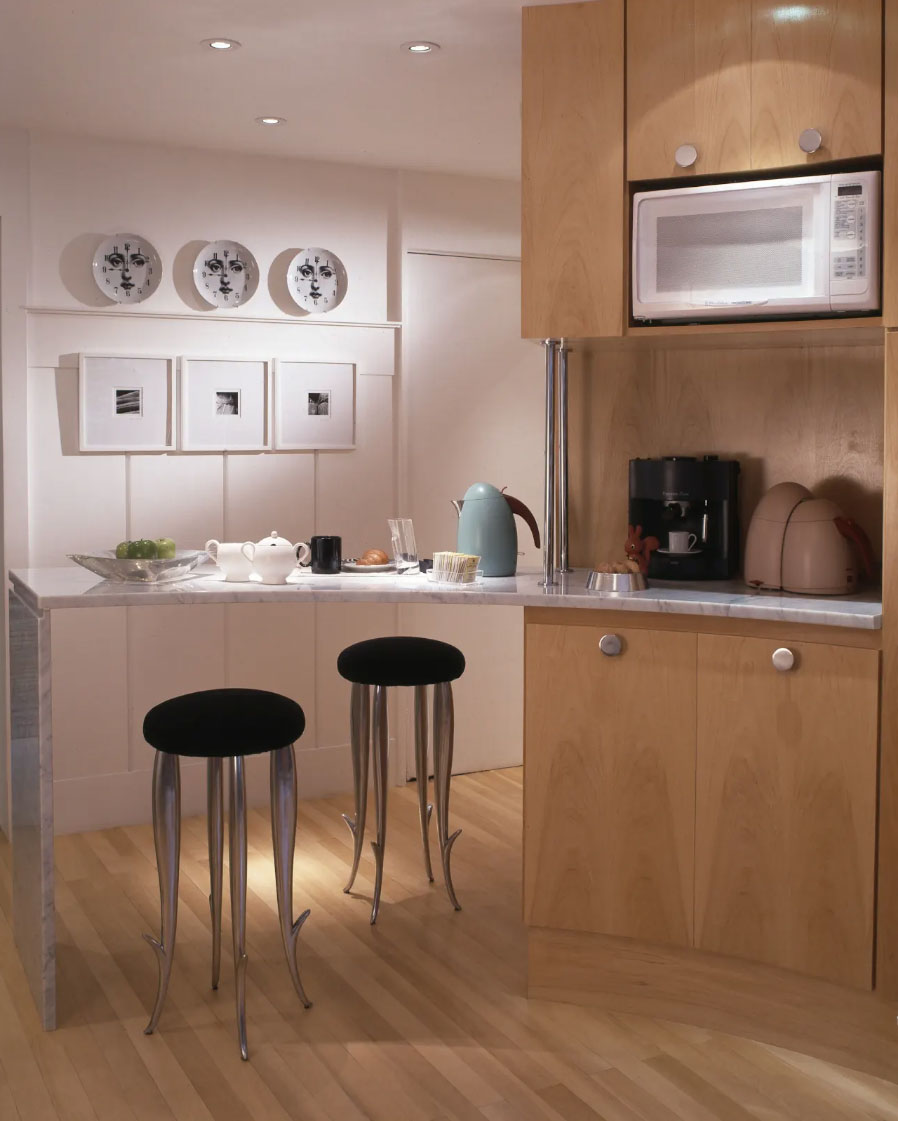
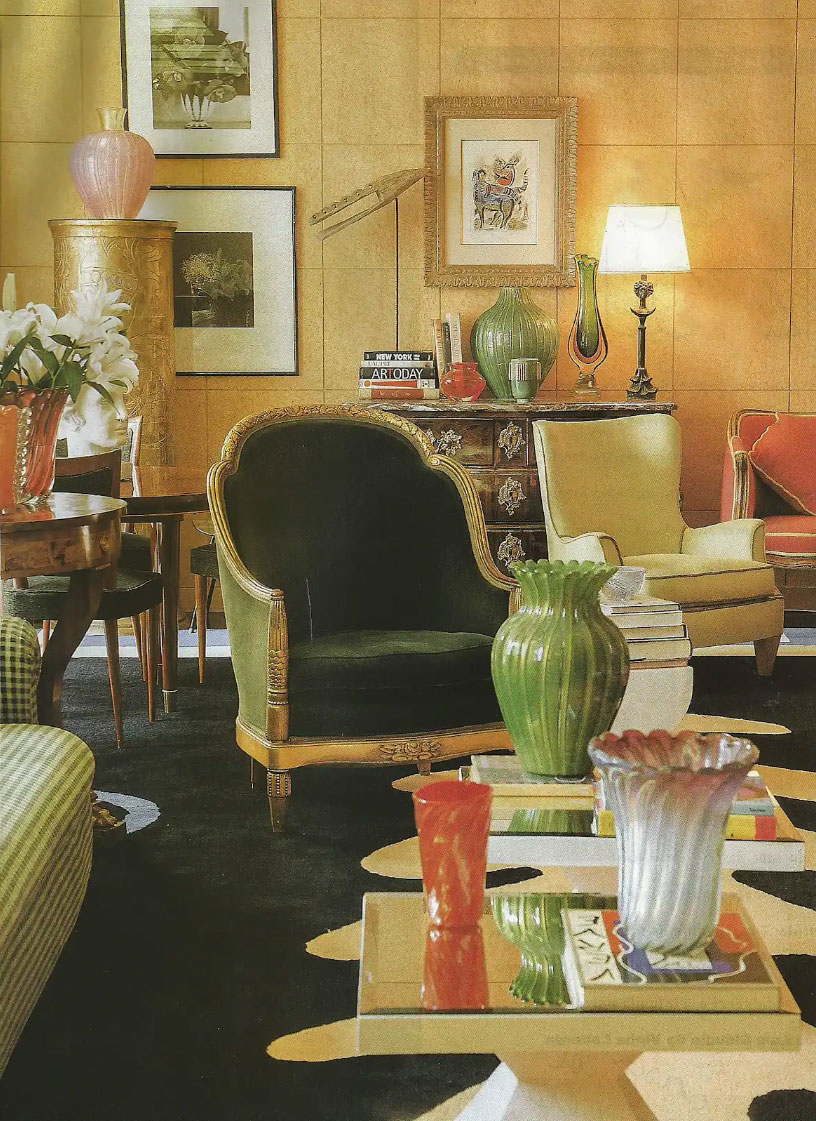
The 9th edition of CASACOR São Paulo brought together various architectural proposals of the decade, investing in concrete, steel, and exposed stones.
Graciela Piñero used glass mosaic tiles and stainless steel, trendy materials at the time, to shape the first Espaço Deca in the event's history.
The year also marked the opening of two franchises, in Minas Gerais and Bahia. The latter, the first to be held in the Northeast, featured spaces designed by David Bastos and Marcia Meccia.
CASA CLAUDIA launched a regional supplement about the exhibition – the publication followed the event's expansion and, over time, the magazine became a national supporter.
Debut of Espaço Deca
Inauguration of franchises in Bahia and Minas Gerais
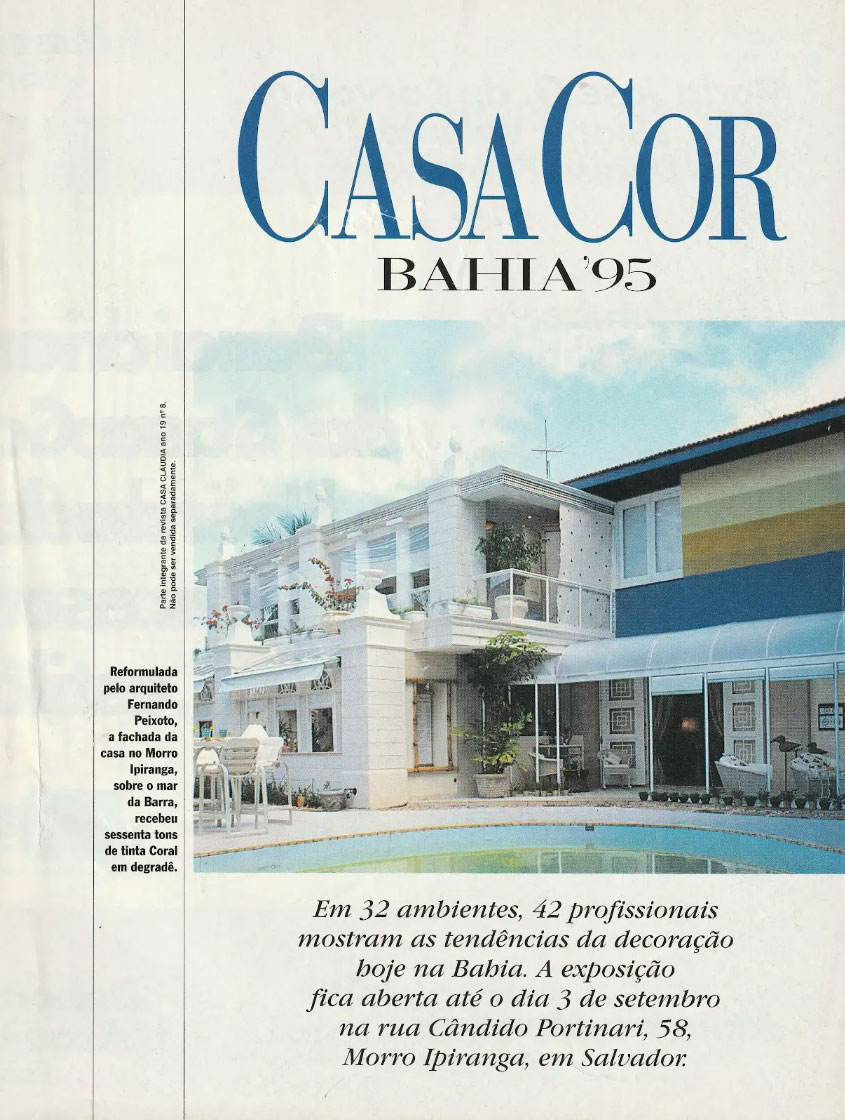
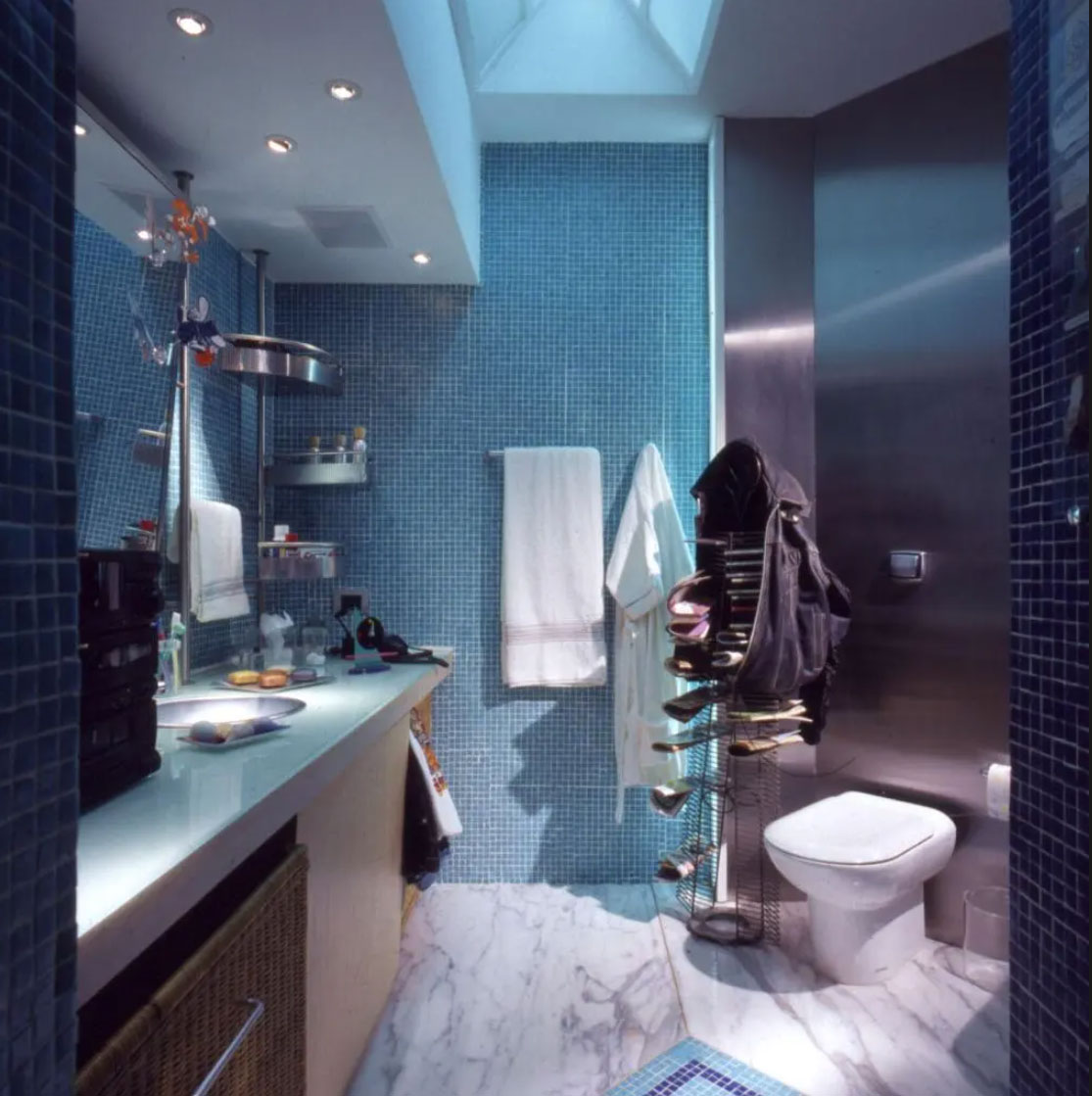
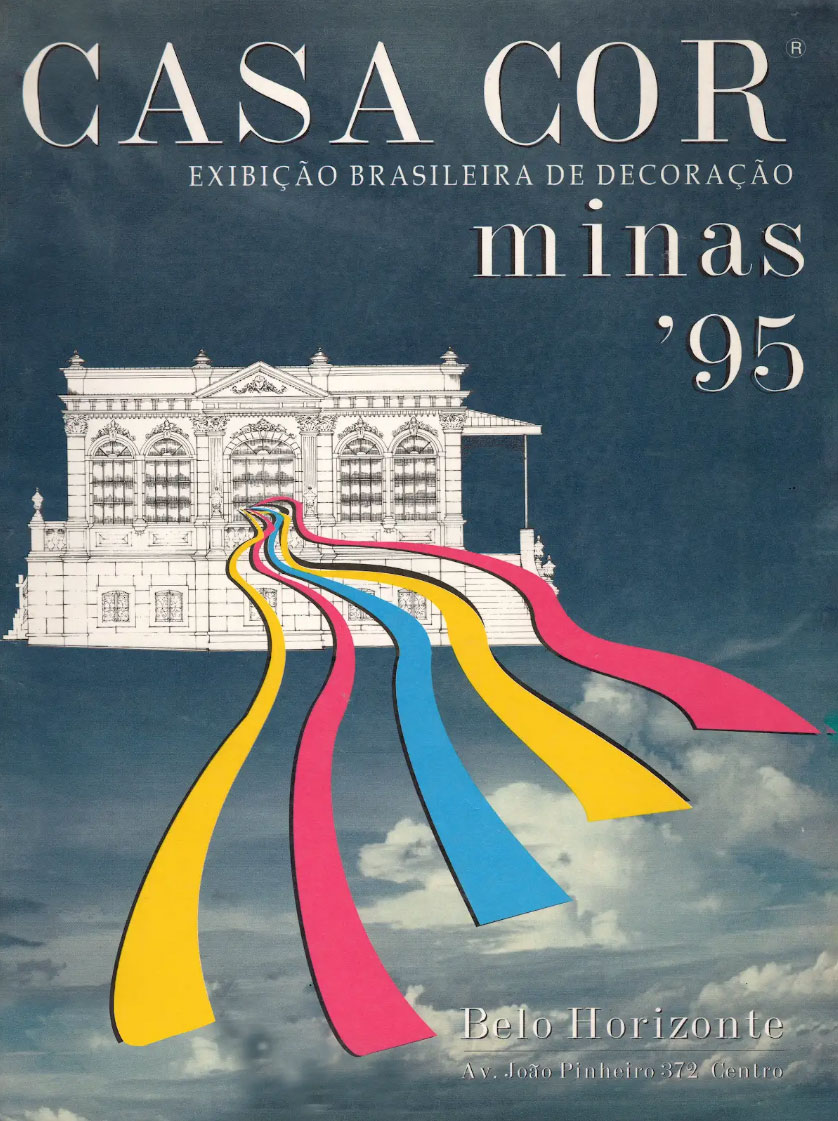
CASACOR São Paulo arrived at a mansion in Jardins, built in 1937 in Spanish style by engineer R. M. Harding. Neiva Rizzotto designed the outdoor pool garden, and João Armentano transformed the covered pool shed into a fully equipped social area.
Carolina Szabó brought the Rio rocking chair by Oscar Niemeyer to her space. Luciana Teperman designed the library, and Roberto Migotto created the terrace for the master bedroom. For the first time, the event was sponsored by Deca, a partnership that continues to this day.
Bathrooms gained more prominence, with Ieda and Silvio Korman designing one of them. In Rio de Janeiro, architect Claudio Bernardes embraced boldness by mixing colors in the living room. As in previous years, part of the revenue was donated to Lar Escola São Francisco.
In the South region, the event debuted in Paraná, at Casa Gomm, a 1910s construction set in the middle of a forest in Curitiba. At the opening event, Marcos Bertoldi drew attention for the modern style of his space.
Inaugural sponsorship by Deca
Launch of the franchise in Paraná
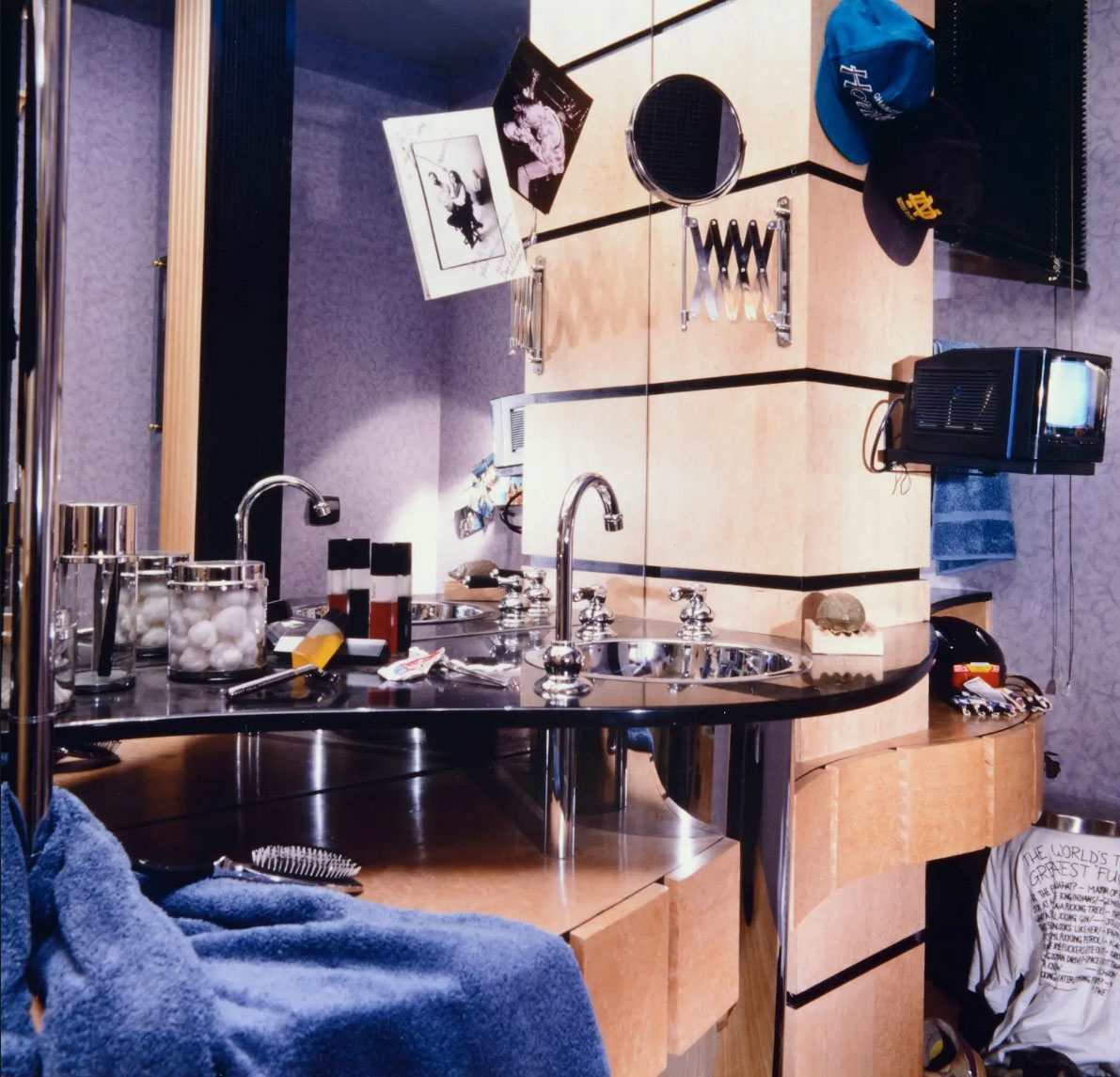
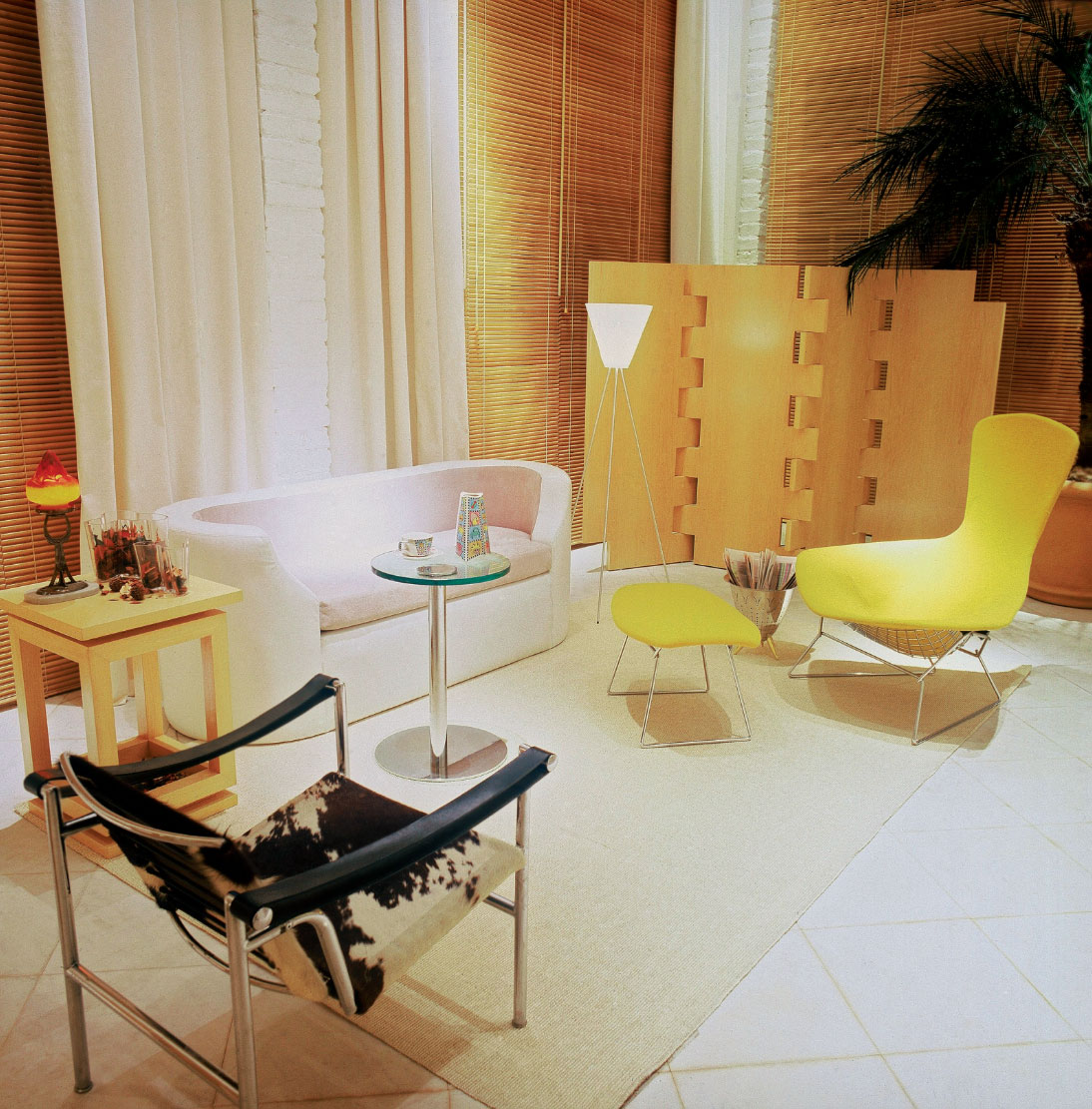
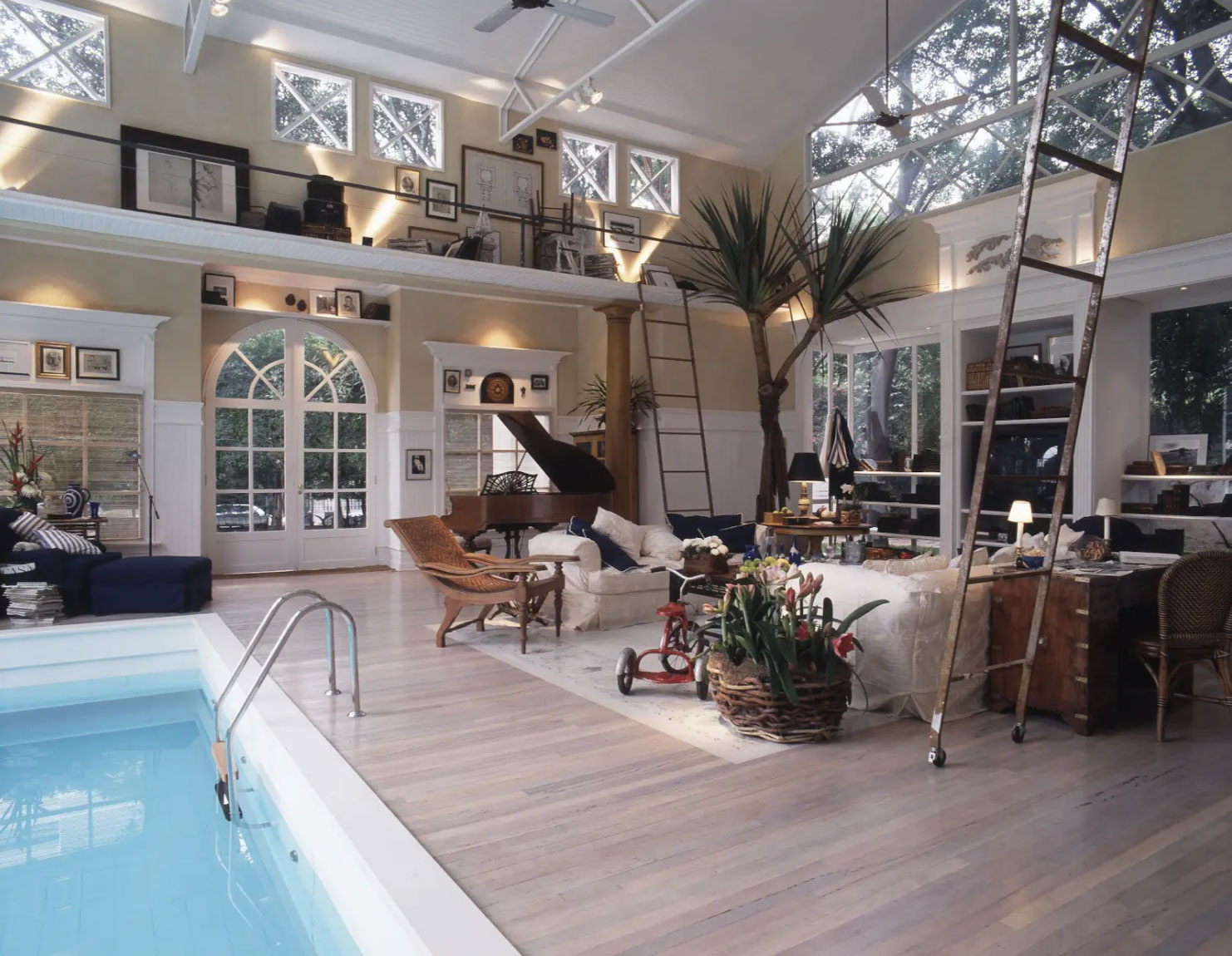
A mansion in Morumbi hosted the São Paulo edition of CASACOR. The property, built in American colonial style, featured spaces by prominent names in the industry making their debut at the exhibition, such as architect Roberto Migotto, who designed a distribution hall, and interior designer Roberto Negrete, who created a children's bedroom complete with a slide.
Marcus Beneduce designed the living room of a single man, with a reading nook. Fernando Rodrigues Alves and Oscar Mikail dressed the glass gazebo with fabric. Layde Tuono opted for sober tones and light wood in the kitchen, while José Duarte Aguiar chose to cover the dining room walls in red.
In Rio de Janeiro, Cris Dornelles and Angela Barquete brought a notebook to the kitchen counter. Today, the device, with floppy disk storage, has become a museum piece.
Roberto Migotto’s debut
Innovation with the use of technology in spaces
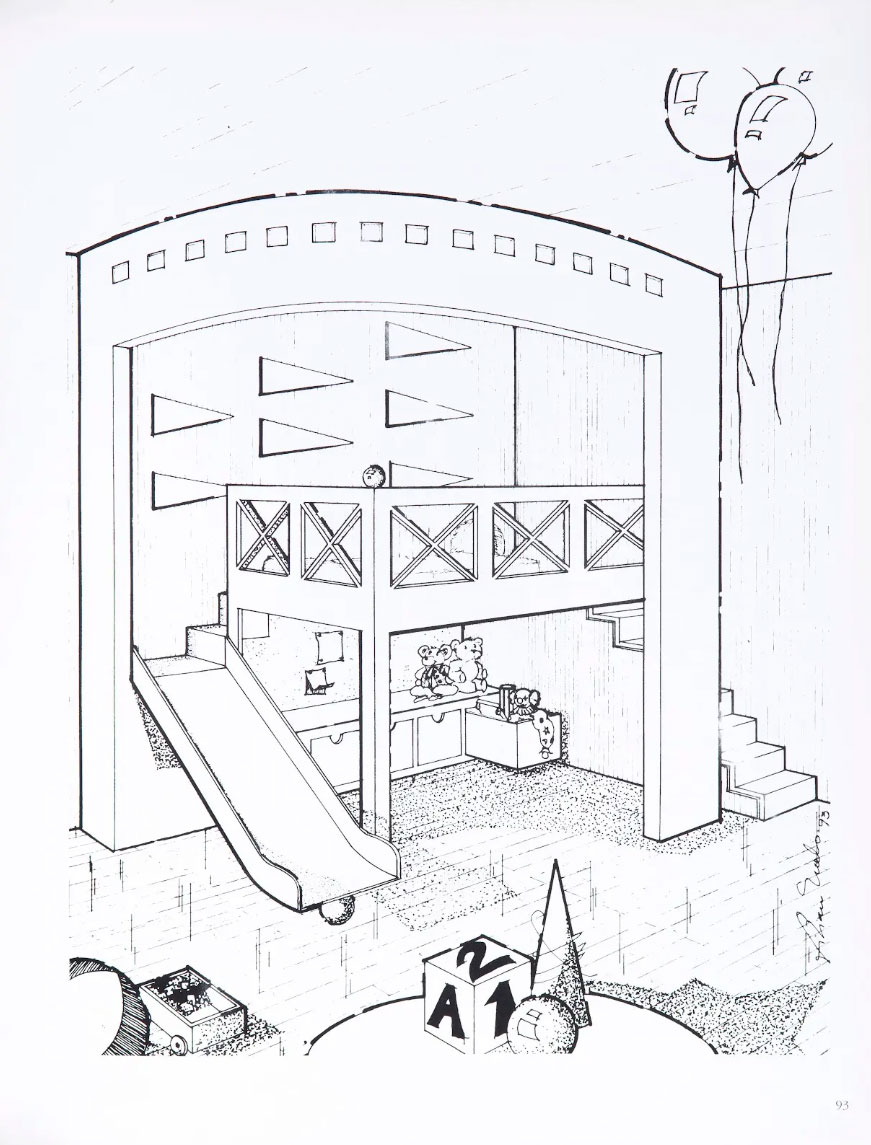
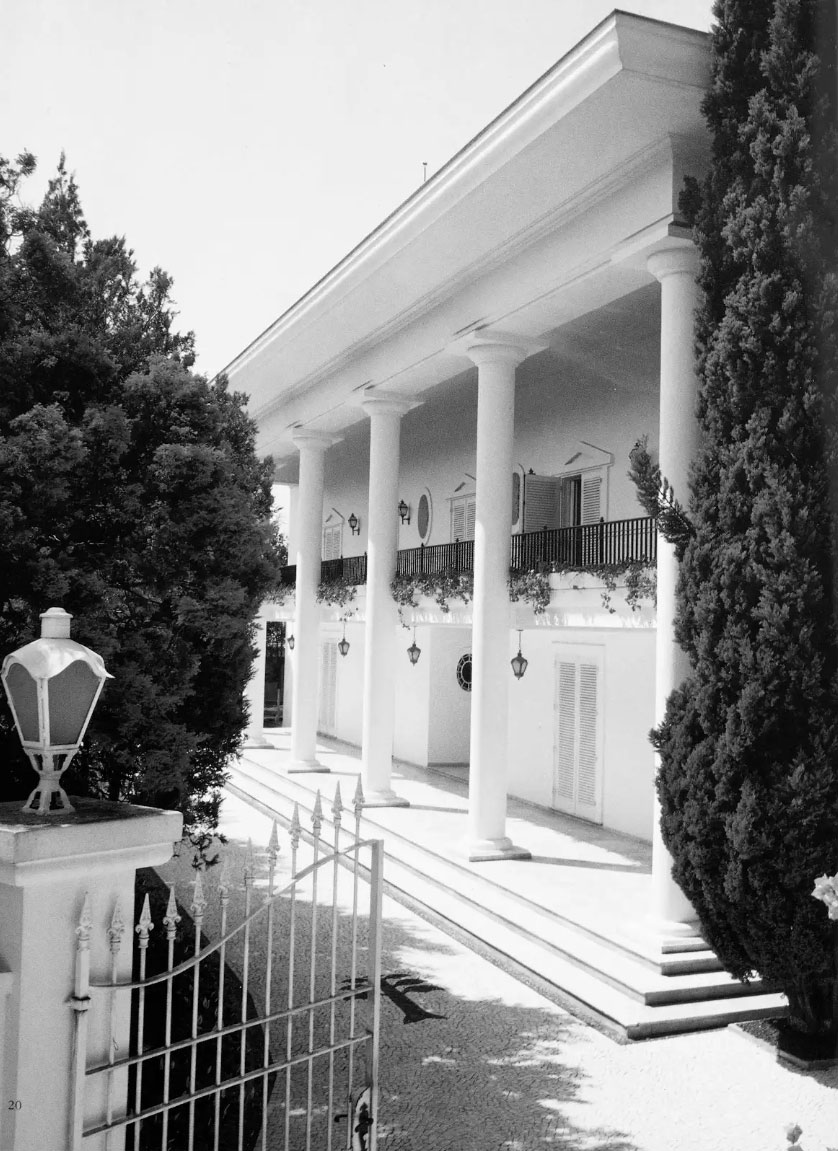
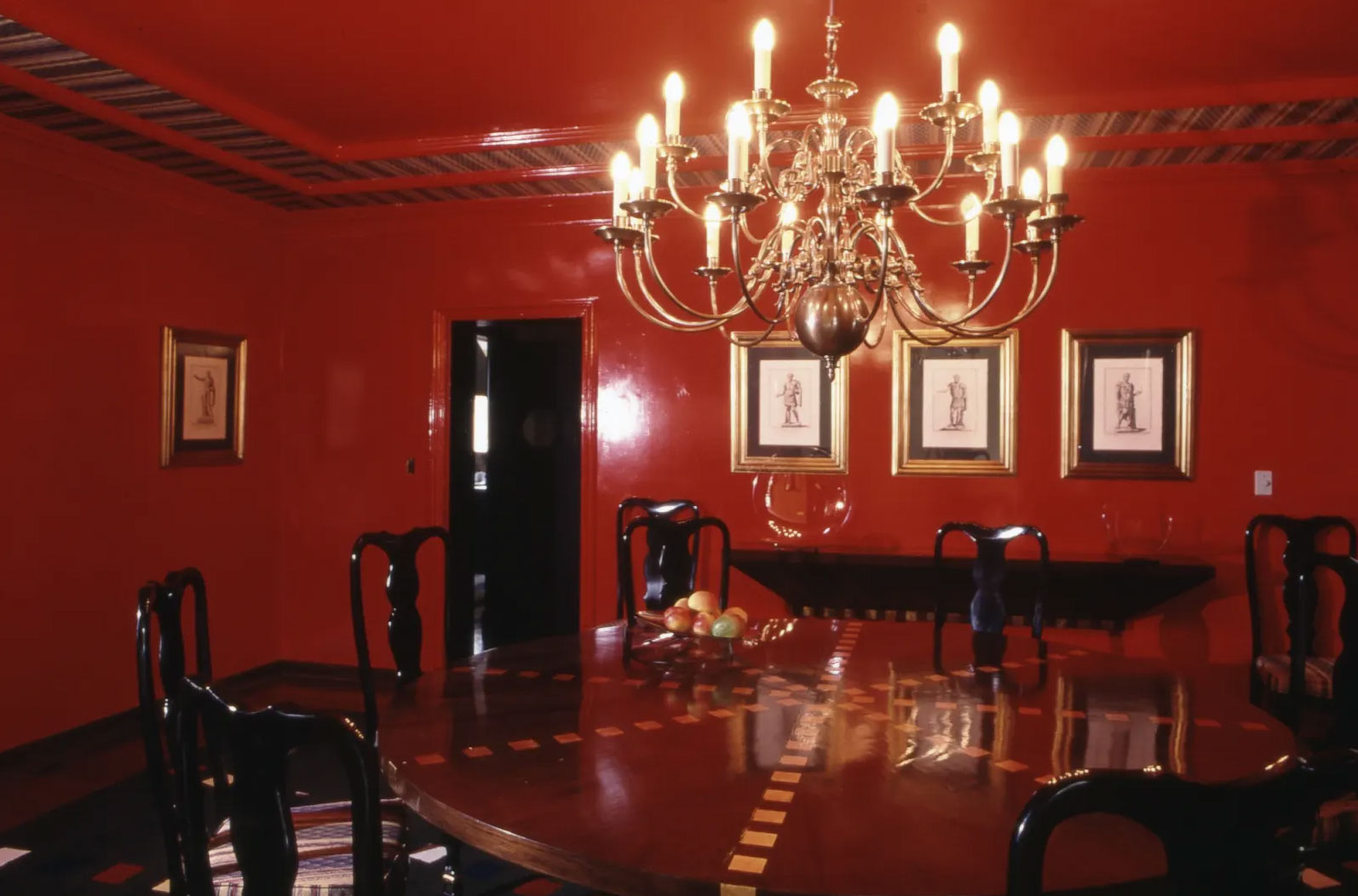
The 6th edition of CASACOR São Paulo took place once again in a mansion, this time in Jardim Europa. The property was built in the early 1950s by engineer Maia Lello and architects Lamartine Maia Rosa and Kikoler, an Austrian professional responsible for the bronzes and boiseries of the house.
The exhibition paid tribute to the 500th anniversary of the arrival of the Spanish in the Americas and featured spaces with classic European décor, such as the terrace by Ana Maria Vieira Santos and the rooms designed by Jorge Elias and Geraldo Lamego.
João Armentano transformed the attic into a lounge with comfortable sofas facing a big screen. The space was a success and helped introduce a new term to the world of interior design: the home theater.
Another franchise was launched, this time in Rio Grande do Sul.
Introduction of the home theater concept
Launch of the Rio Grande do Sul franchise
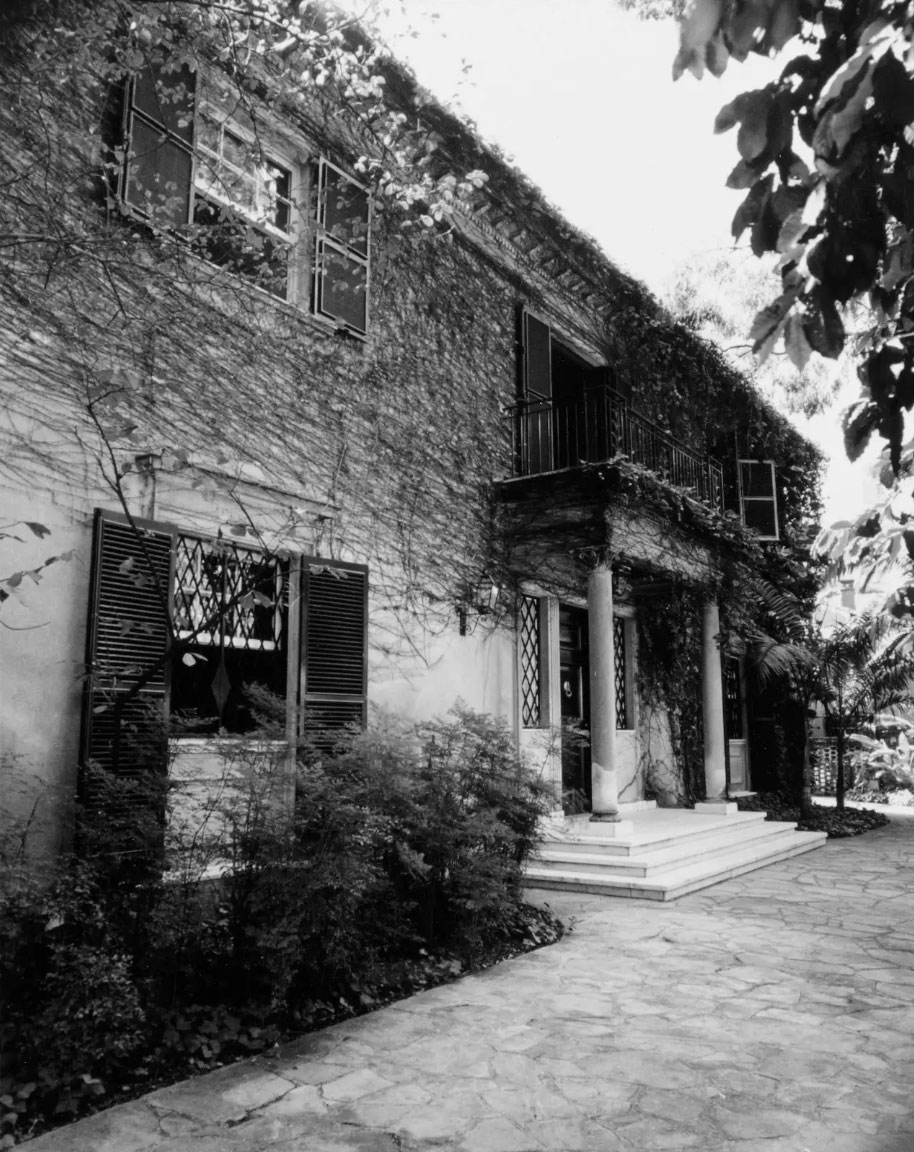
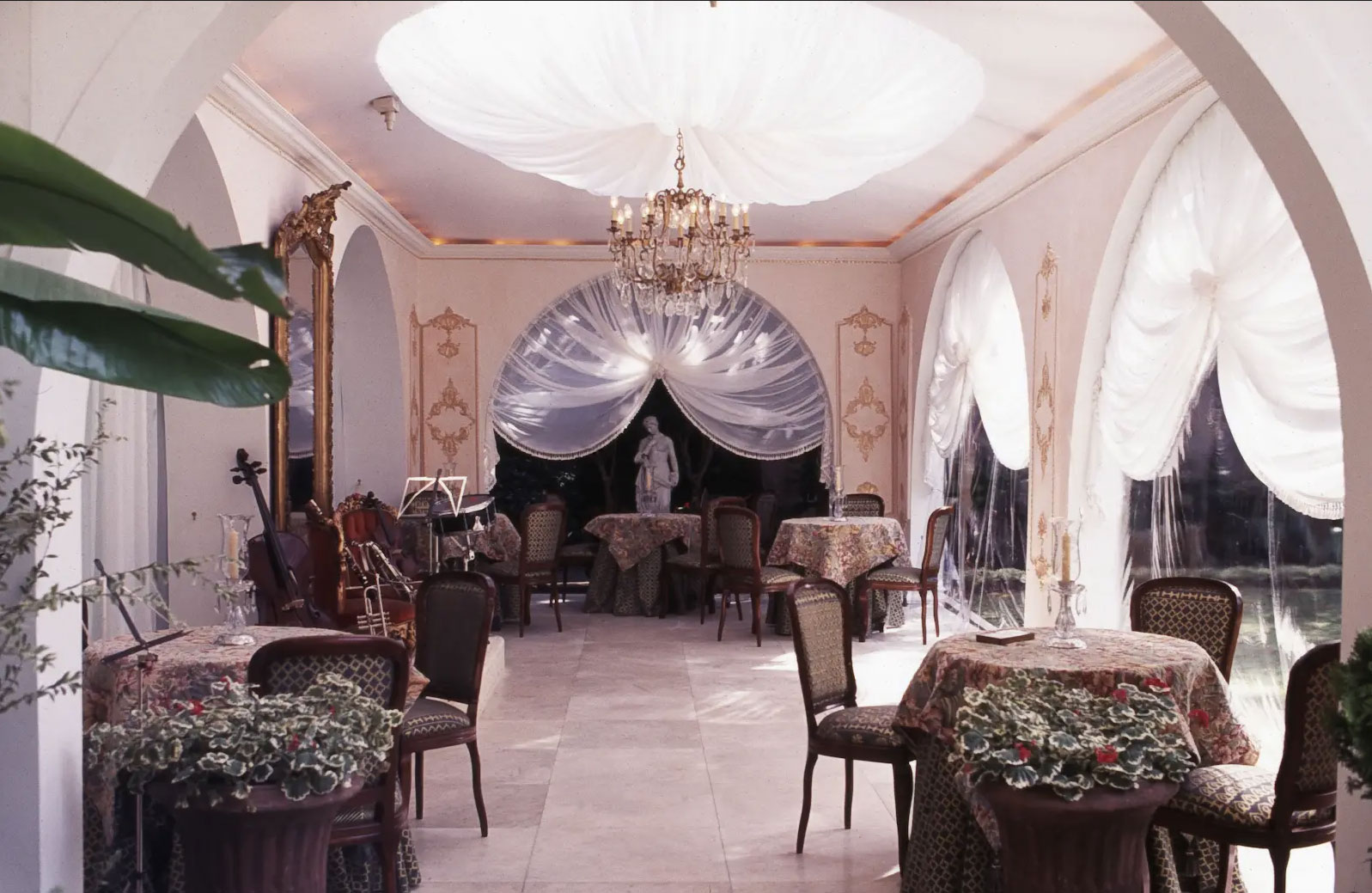
This was a very special year for the brand’s expansion, with Rio de Janeiro and Brasília receiving the first two CASACOR franchises – each with its own yearbook, following the model of the São Paulo headquarters, which is still in use today.
The Rio de Janeiro exhibition took place in the mansion of the traditional Catão family, in the Urca neighborhood. A former resident of the address, socialite and decorator Lourdes Catão was invited to design the dining room.
In São Paulo, the event was held in a Portuguese-style house, originally built in the 1940s, in Jardim América. The Lar Escola São Francisco once again benefited from part of the proceeds, and the restaurant remained under the management of Chez Nous.
Inauguration of franchises in Rio de Janeiro and Brasília
Participation of Lar Escola São Francisco
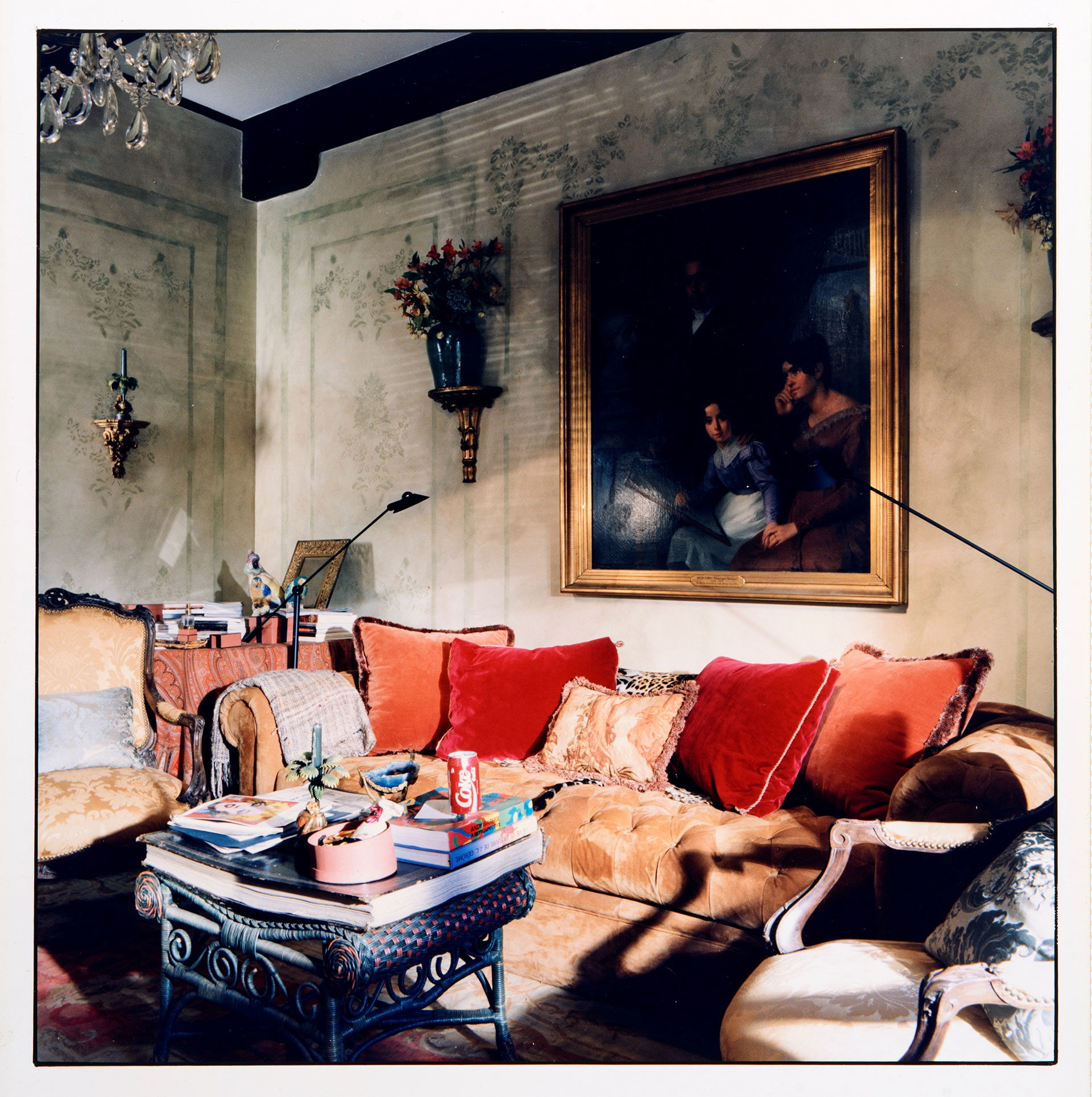
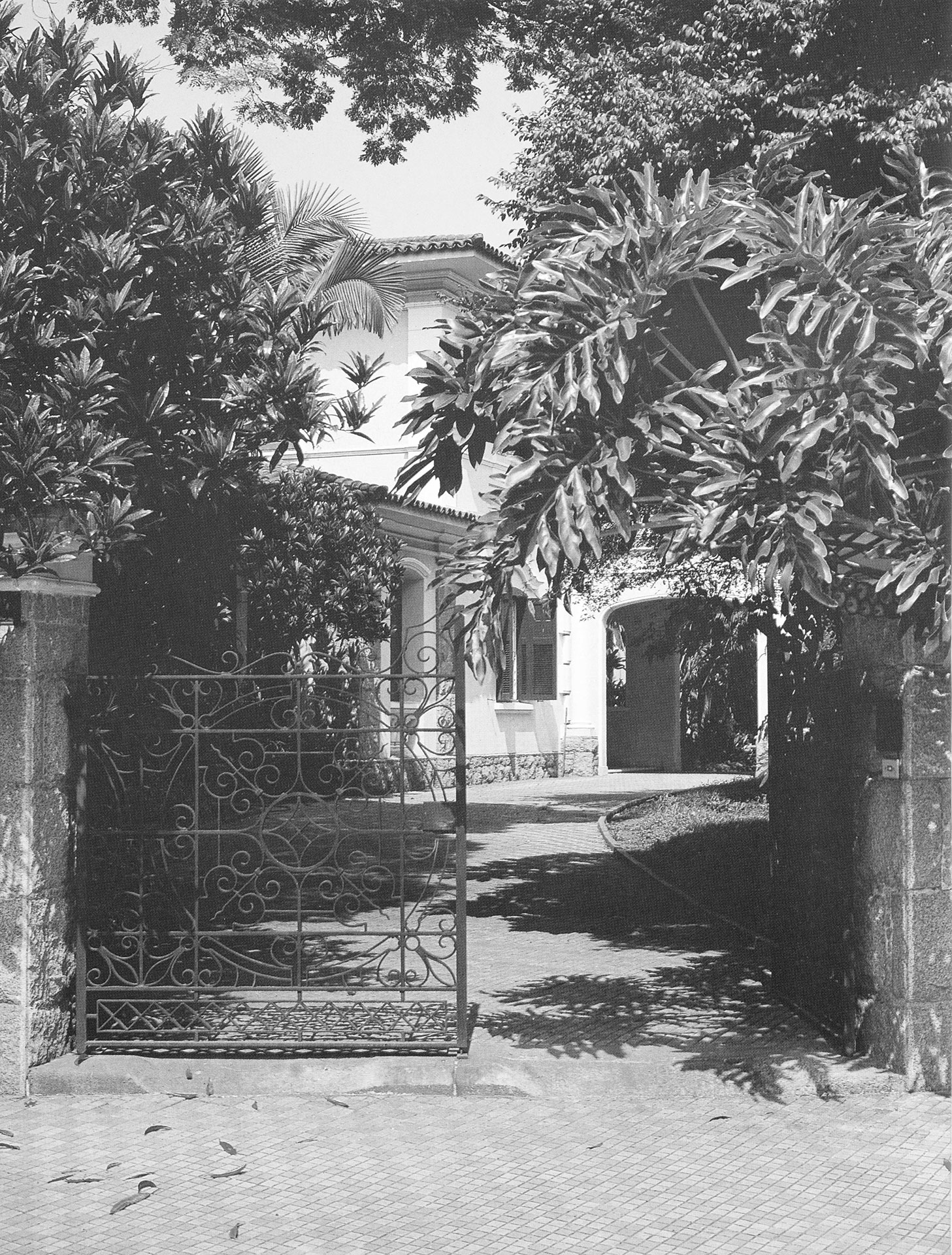
CASACOR, which had already become a highly anticipated and competitive event among professionals, with a waiting list to participate, took place in a modernist mansion in Jardim Paulista. Designed by Ukrainian architect Gregori Warchavchik, a pioneer of modern architecture in Brazil, the property featured gardens designed by Roberto Burle Marx.
Among the architects and decorators in the exhibition were newcomers, now renowned professionals, such as Arthur Casas, Brunete Fraccaroli, João Armentano, and the duo Beto Galvez and Nórea De Vitto. The yearbook, which previously only featured portraits of the participants, began to include sketches of the spaces, which were highly faithful to the final result.
The spaces showcased a diversity of styles: from Marco Menegazzo's living room and Neiva Rizzotto's garden, both with a classic atmosphere, to the modern and multifunctional workspace, featuring room for a microcomputer and a bicycle, designed by Suzana Yassuda Macedo, Tetela Yassuda Monteiro, and Baísa Noschese.
Presence of gardens designed by Burle Marx
Debut of renowned names such as Arthur Casas

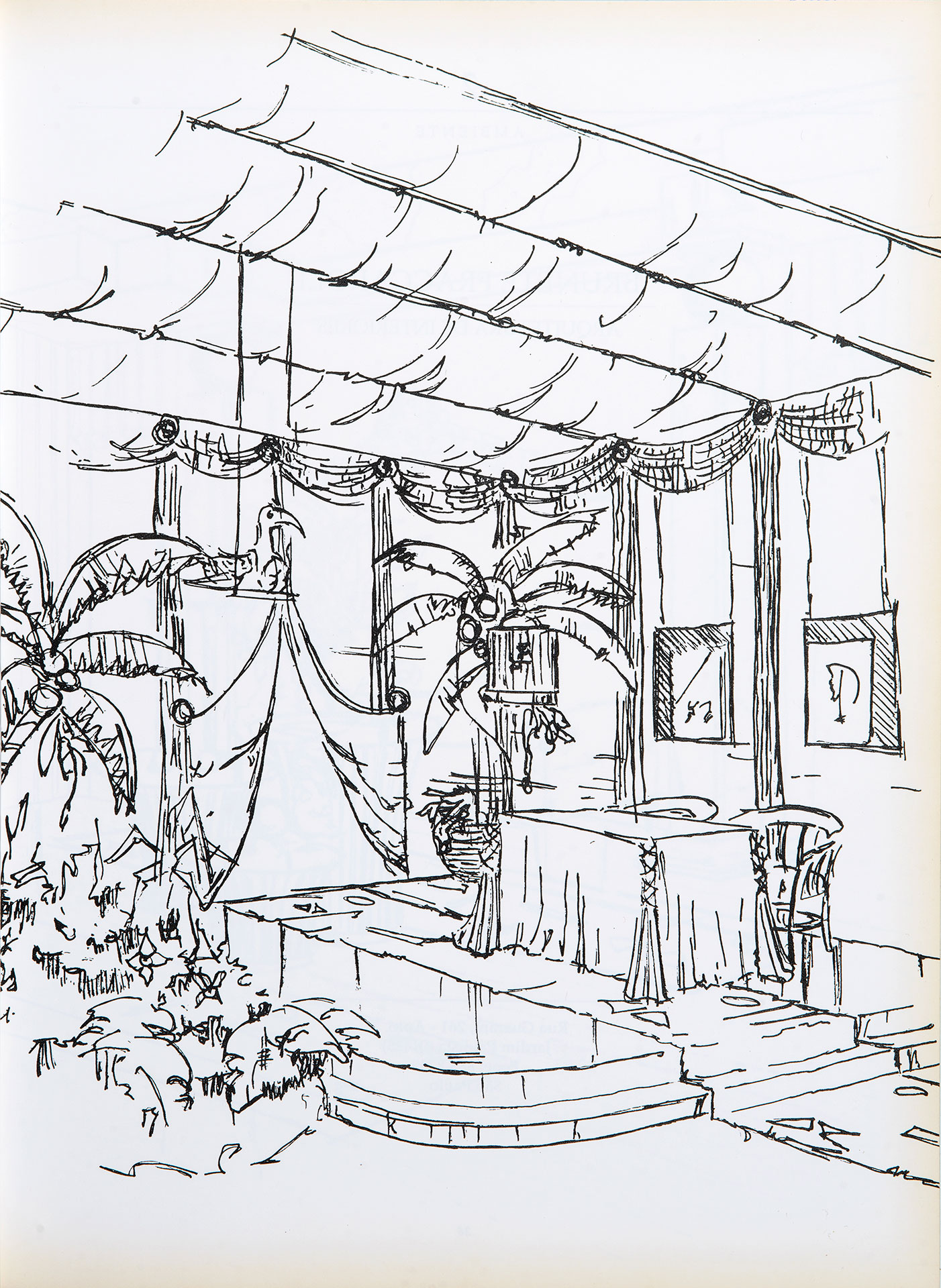
A Norman-style house in Jardim América hosted the third edition of the exhibition. The event’s participation in social responsibility actions took on a new chapter with the creation of the CASACOR Store, coordinated by Lar Escola São Francisco, an organization that benefits from the sale of home décor items and household linens.
For the second consecutive year, the restaurant was run by the traditional Chez Nous. Among the spaces, Neiva Rizzotto designed a romantic garden in the outdoor area, and Leo Shehtman created a tower with shelves to hold the TV in the breakfast nook, right in front of the dining table—an ideal setup for those who wanted to combine family dinner with their favorite soap opera.
Creation of the CASACOR Store in partnership with Lar Escola São Francisco
Introduction of innovative ideas in design
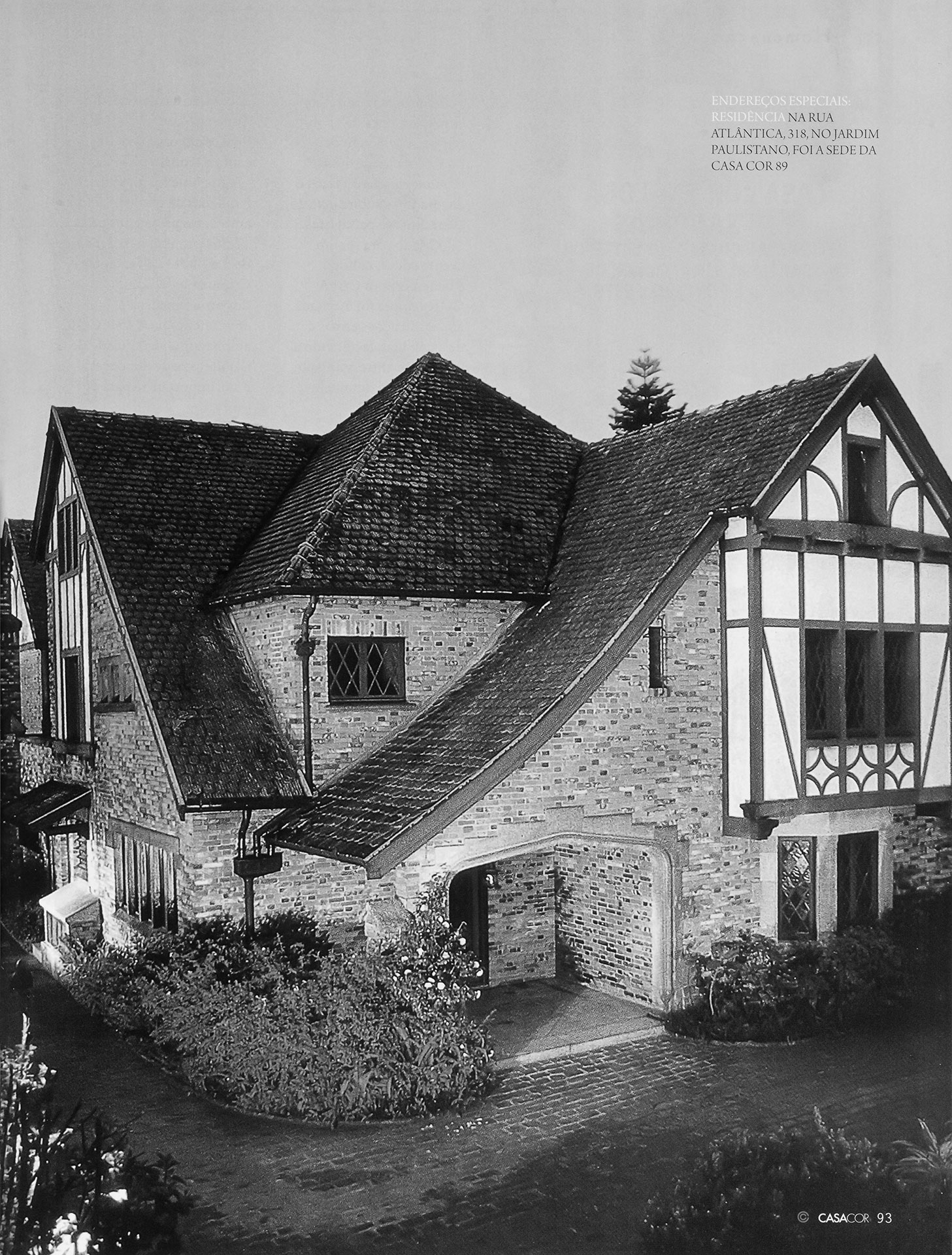
The second CASACOR took place in a mansion in Morumbi, designed by architect Ricardo Ramenzoni. The 1968 construction resembled the grand Italian wine cellars, with exposed brick vaults and extensive gardens.
At the time, the exhibition was held in properties for sale—a great opportunity for owners, as the event attracted an audience and potential buyers. Yolanda Figueiredo and Argentine Angélica Rueda led the search for the ideal location, which had to be vacant and was then rented for the duration of the exhibition.
From this edition onwards, CASA CLAUDIA magazine, published by Editora Abril and then led by journalist and architect Olga Krell, became a supporter of CASACOR. The partnership strengthened media coverage and allowed the publication to connect with great talents.
Partnership with CASA CLAUDIA magazine
Continuation of the format in properties for sale
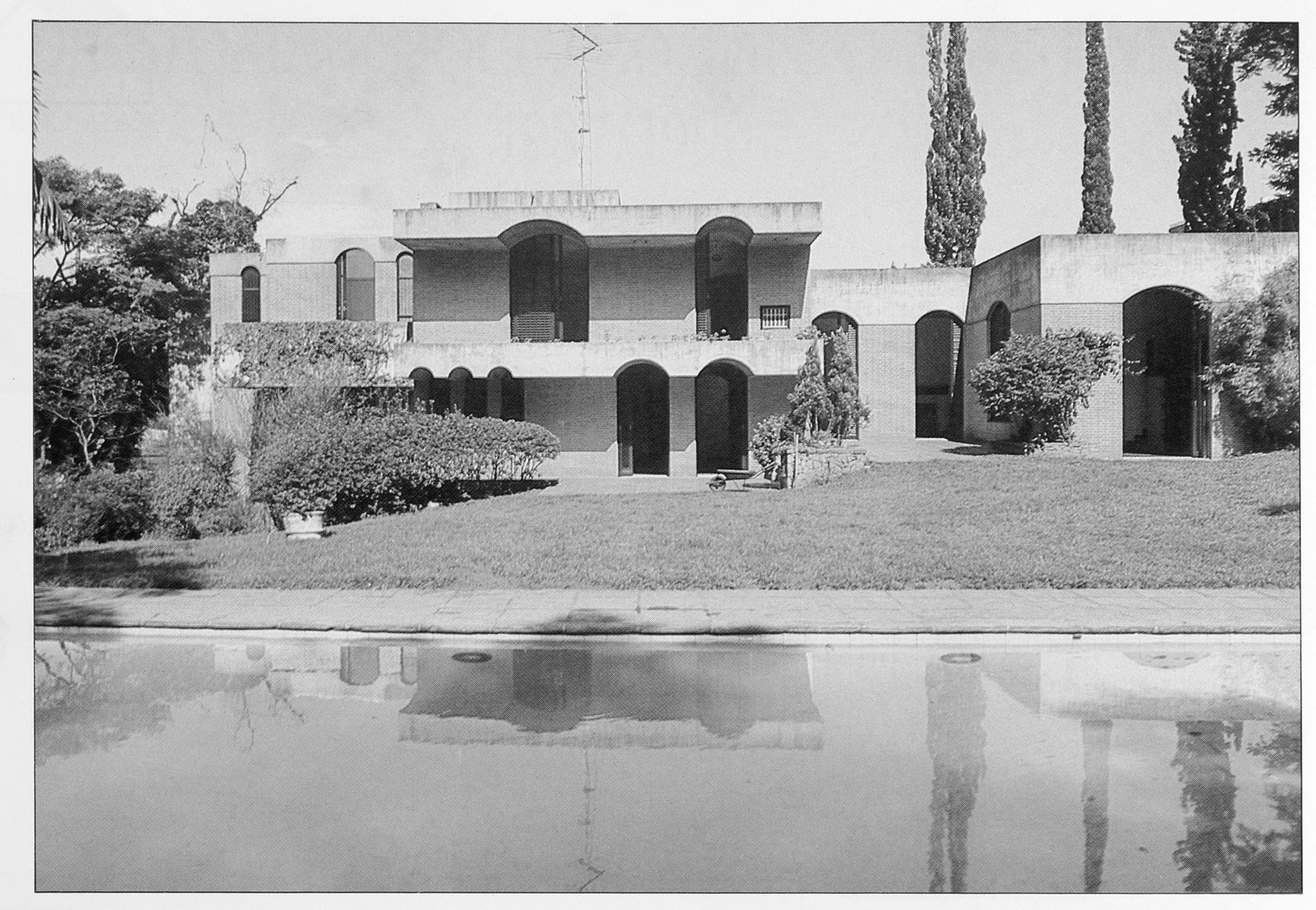
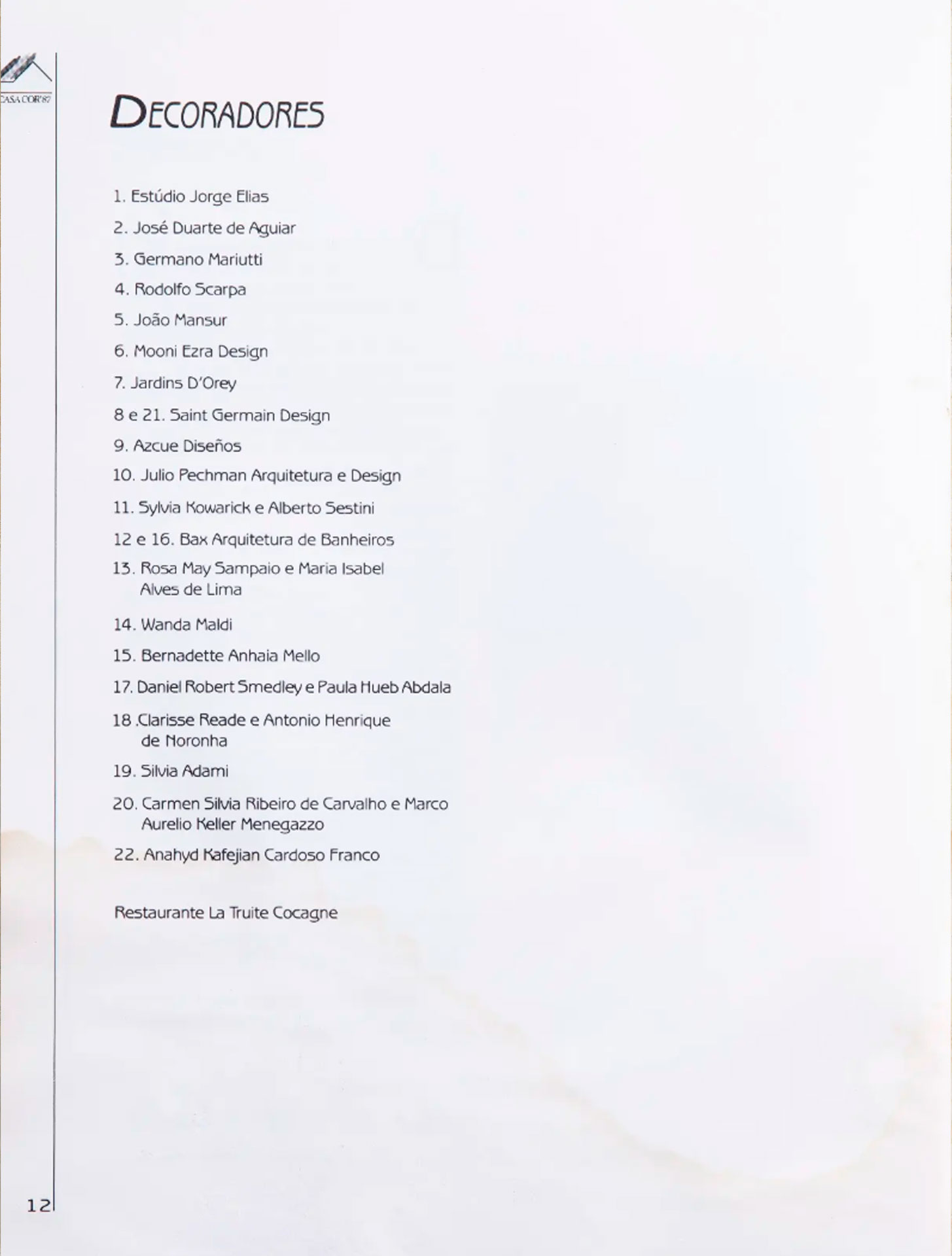
On June 8, the first CASACOR opened its doors in São Paulo, occupying a house on Dinamarca Street, in Jardim Europa. Founded by Yolanda Figueiredo, Angélica Rueda, Javier Campos Malbrán, and Ernesto Del Castilho, the exhibition adapted the Casa FOA model, created in 1985 in Buenos Aires, to the Brazilian market.
The debut edition brought together 25 top professionals in architecture, interior design, and landscaping, who created 22 spaces. Part of the proceeds was donated to Obra do Berço, initiating the brand's social commitment. Highlights included the European style in the works of Rosa May Sampaio and Maria Isabel Alves de Lima, and the minimalist aesthetics of Clarisse Reade and Toninho Noronha, who used the iconic Wassily chair by Marcel Breuer.
Also this year, the CASACOR yearbook was launched, illustrated by designer Attilio Baschera, documenting the exhibition and featuring its sponsors.
25 professionals
22 spaces
Launch of the CASACOR yearbook